Deep Freezer
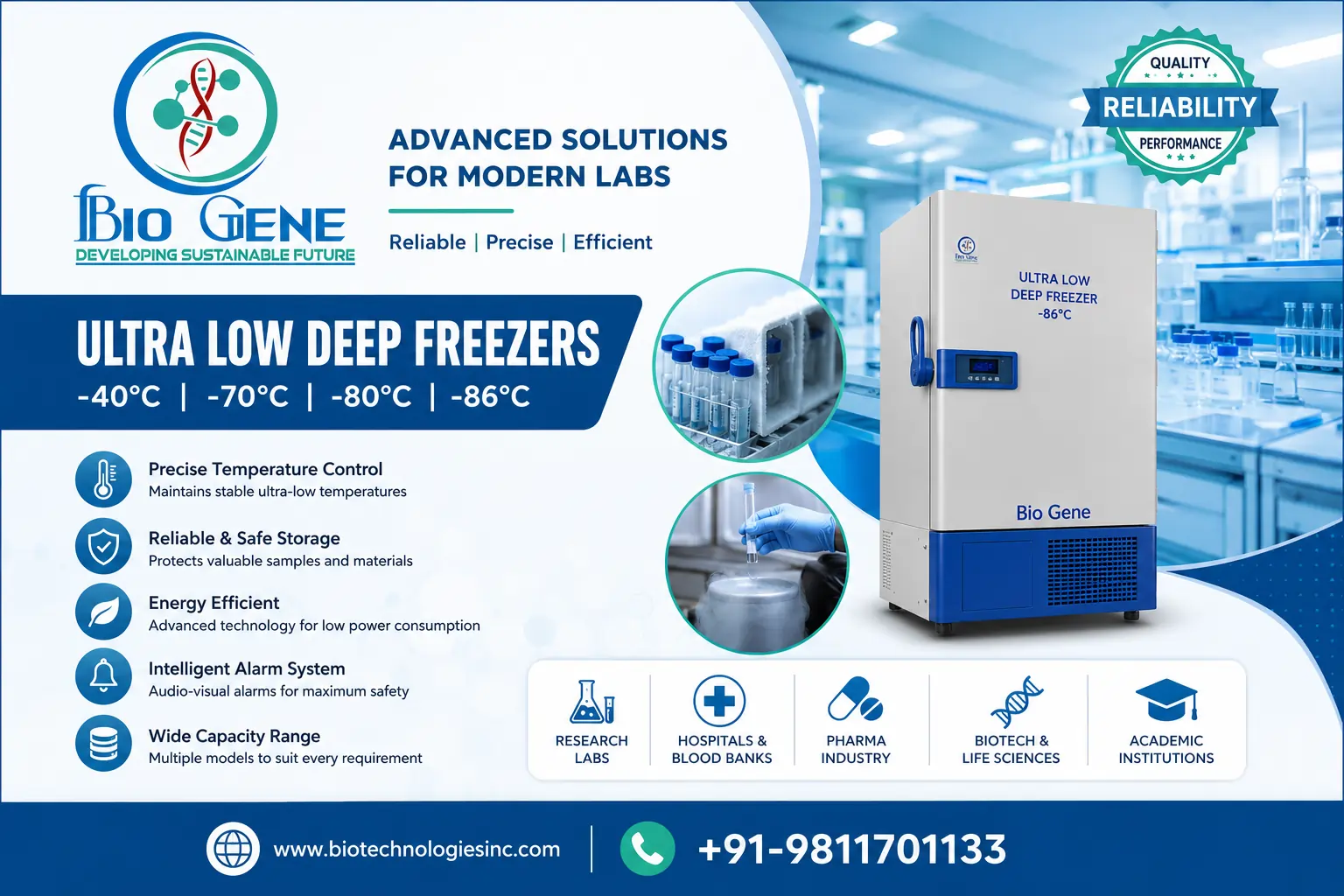
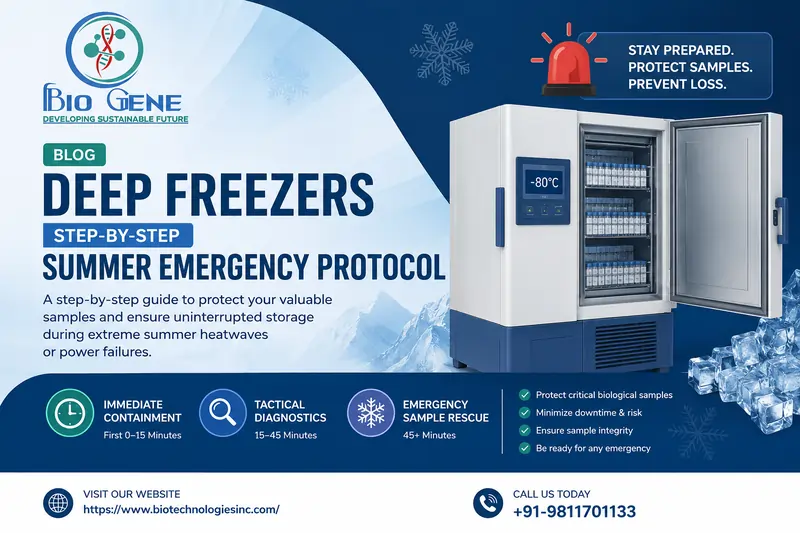
BioGene Ultra-Low Deep Freezers are advanced medical and laboratory refrigeration systems specifically designed to preserve highly sensitive biological and chemical materials at extremely low temperatures ranging from -40°C to -86°C. These ultra-low temperature (ULT) freezers play a critical role in maintaining the integrity, stability, and long-term viability of valuable research samples, vaccines, and pharmaceutical products.
BioGene Ultra-Low Deep Freezers are extensively used across medical research laboratories, biotechnology industries, pharmaceutical companies, hospitals, and biobanking facilities due to their ability to provide precise and stable temperature control.
These freezers are widely utilized for the secure long-term preservation of biological materials such as cell cultures, tumor tissues, bone marrow, stem cells, and sperm samples. The ultra-low temperature environment prevents cellular damage and ensures the samples remain viable for future medical or research use.
BioGene ULT freezers are essential for protecting highly sensitive genetic materials including DNA, RNA, plasma, and whole blood samples. Maintaining these materials at ultra-low temperatures helps prevent degradation, ensuring accuracy and reliability for diagnostics, genetic studies, and laboratory analysis.
Temperature-sensitive vaccines, enzymes, clinical trial medications, and specialty pharmaceutical products require strict cold storage conditions. BioGene freezers help preserve the structural efficacy and therapeutic effectiveness of these critical medical products.
Apart from healthcare and research applications, these freezers are also employed in industrial testing environments. They are used to evaluate the tolerance and durability of electronics, specialty plastics, and chemical compounds under extreme sub-zero temperature conditions.
During peak summer conditions, ultra-low deep freezers experience significant thermal stress due to elevated ambient temperatures. When surrounding room temperatures exceed 32°C, the refrigeration compressors are forced to operate continuously at maximum capacity. This increases the likelihood of compressor failure, electrical overload, excessive energy consumption, and potential sample loss. Proper preventive maintenance is therefore essential to ensure reliable performance and equipment longevity.
Maintain Proper Room Temperature
The freezer room temperature should be strictly maintained between 18°C and 25°C using a reliable air conditioning or HVAC system. Stable ambient conditions reduce the operational load on the refrigeration system and improve cooling efficiency.
Ensure Adequate Clearance Space
Sufficient ventilation space must be maintained around the freezer to allow proper heat dissipation. A minimum clearance of 20 cm on the top and sides and 15 cm at the back is recommended to prevent heat accumulation around the condenser area.
Avoid External Heat Sources
The freezer should be positioned away from direct sunlight, heated walls, laboratory exhaust systems, and other heat-generating equipment. Excessive external heat can reduce cooling performance and increase compressor strain.
Regular Condenser Filter Cleaning
During summer months, the condenser filter should be cleaned every two weeks using a vacuum cleaner or by washing accumulated dust particles. Clean filters ensure unrestricted airflow and improve heat rejection efficiency.
Condenser Coil Dust Removal
Dust accumulation on condenser coils and fins can severely affect cooling performance. The condenser fins should be cleaned carefully using a soft brush or compressed air to maintain efficient thermal exchange.
Verify Cooling Fan Operation
The axial exhaust fans should be inspected regularly to confirm smooth and uninterrupted operation. Proper airflow is essential for rapidly dissipating heat away from the compressor compartment.
Frost Removal
Excessive frost buildup inside the freezer compartments can interfere with heat transfer and reduce cooling efficiency. Frost should be manually removed using plastic scrapers to prevent damage to internal surfaces.
Door Gasket Cleaning
The magnetic silicone door gaskets should be cleaned monthly using a warm cloth to maintain airtight sealing. Proper gasket condition prevents cold air leakage and improves insulation performance.
Vacuum Relief Port Cleaning
The vacuum relief port should be inspected and cleaned daily to prevent ice blockage. A clear vacuum port allows easy door opening without damaging the door seals.
Use Voltage Stabilization
The freezer should always be connected to a dedicated voltage stabilizer or power protection system. This protects sensitive electronic components from voltage fluctuations, brownouts, and electrical surges commonly experienced during Indian summer conditions.
Battery and Alarm Testing
The integrated battery backup and alarm systems should be tested routinely to ensure that high-temperature and power-failure alerts function properly during emergencies.
Pre-Freeze Materials Before Loading
Large quantities of room-temperature samples should never be loaded directly into the freezer at one time. All materials should be pre-frozen before storage to minimize sudden internal temperature fluctuations and reduce compressor workload.