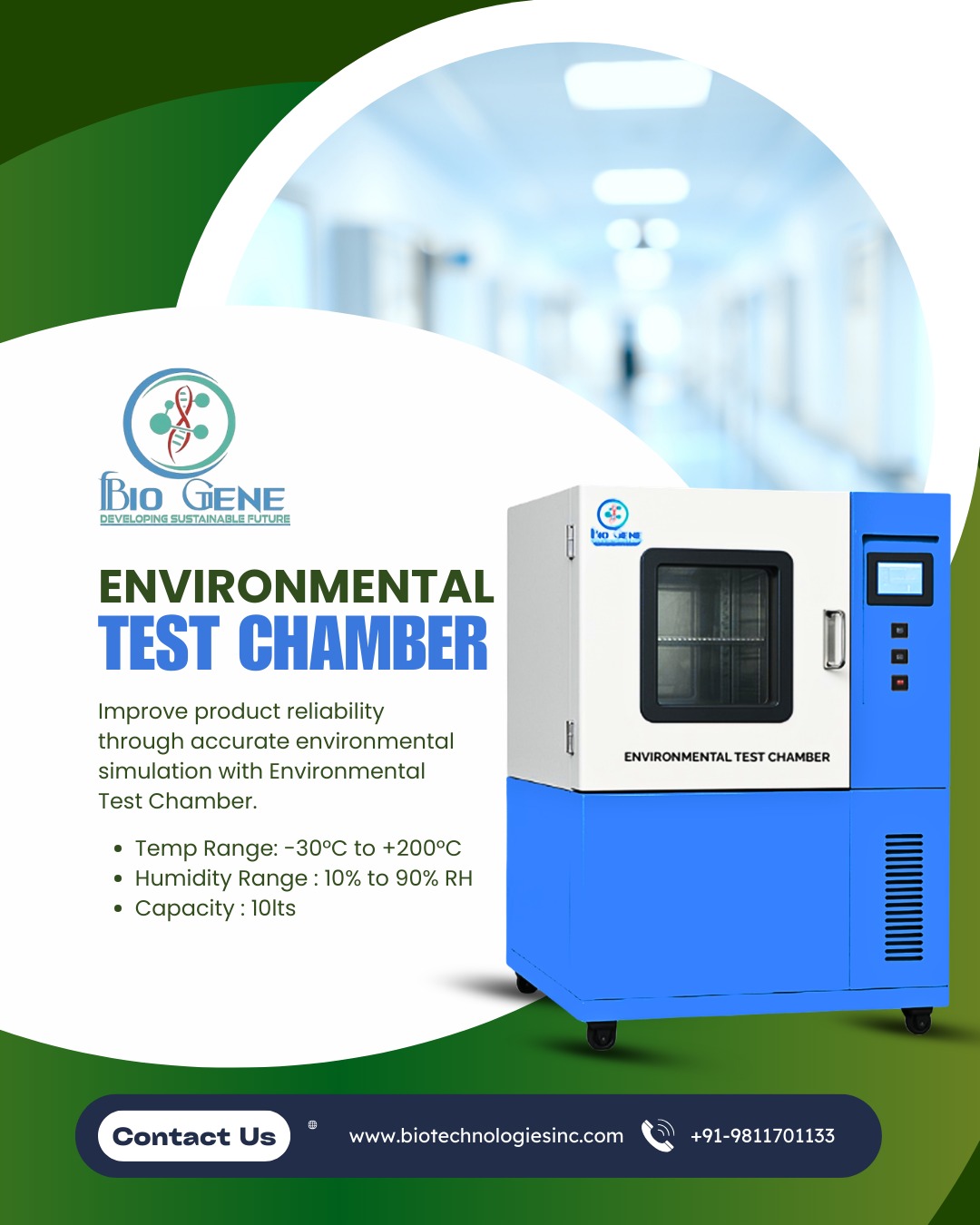
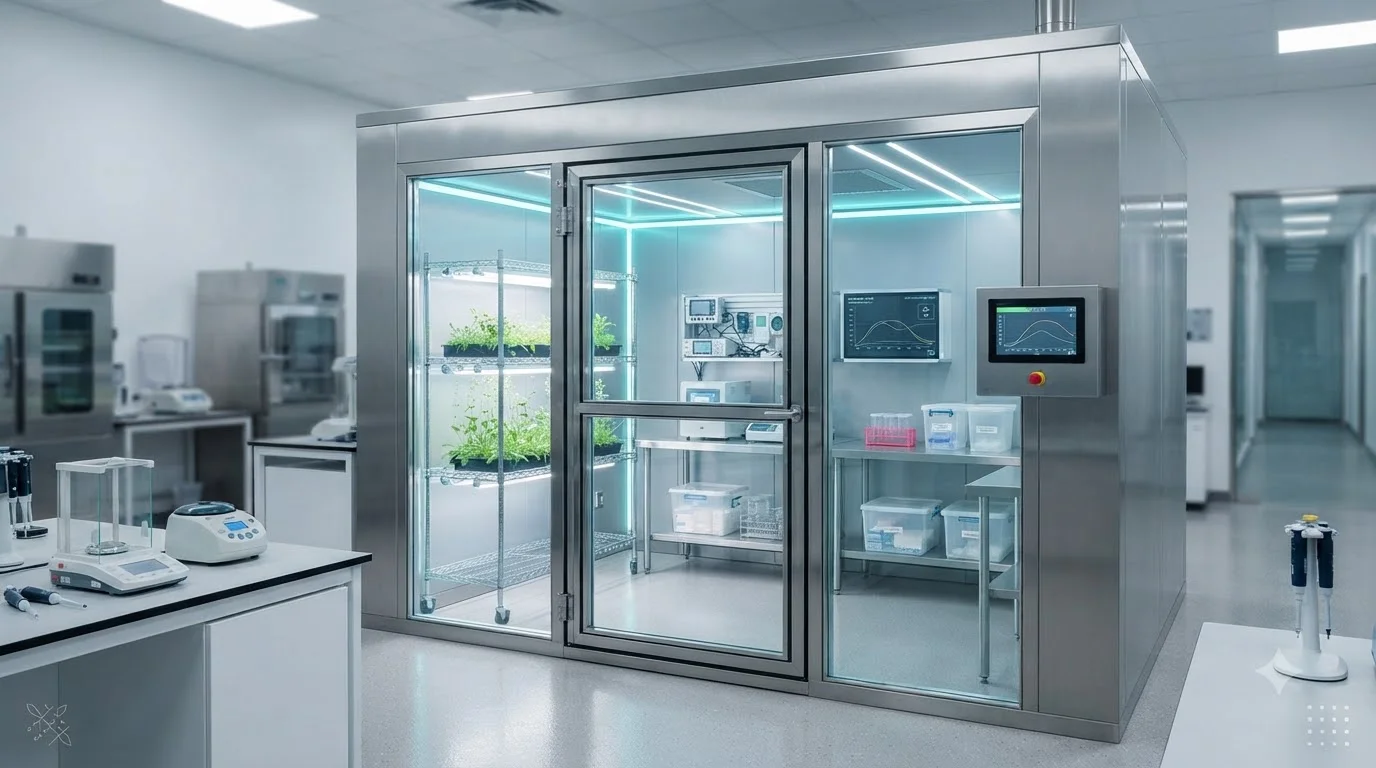
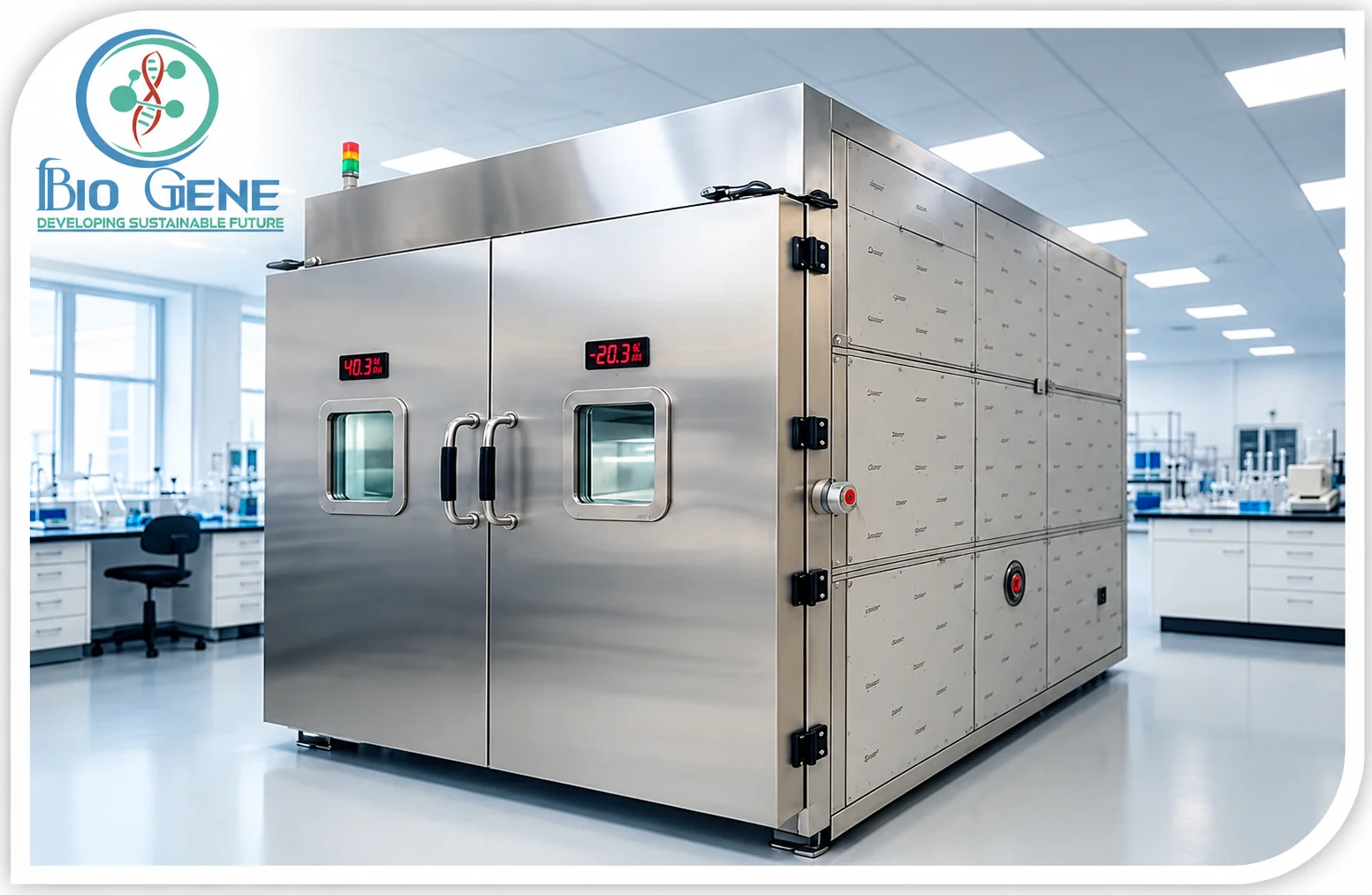
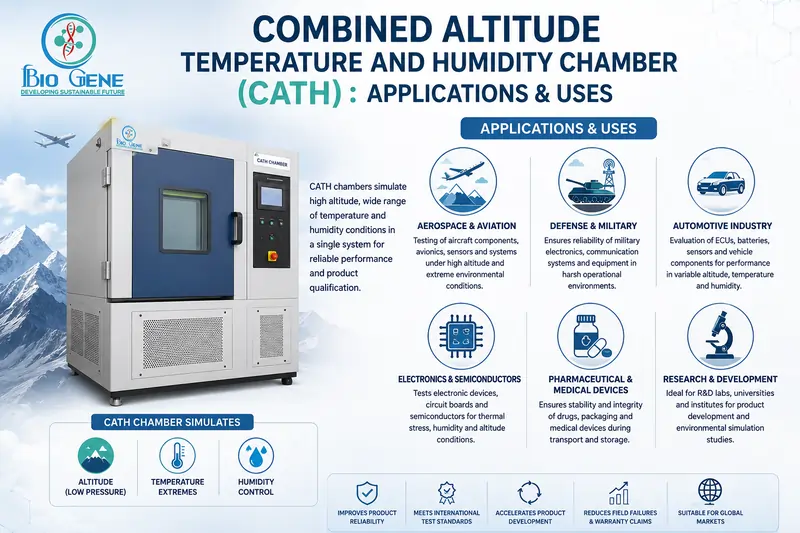
A test chamber is designed to simulate environmental conditions such as temperature, humidity, pressure, light, and vibration. By recreating real-world conditions in a controlled environment, manufacturers can evaluate how products behave over time and under stress. This helps identify weaknesses, improve design, and ensure products meet industry standards. From electronics and pharmaceuticals to automotive and aerospace industries, test chambers play a crucial role in quality control and product development.
What Is a Test Chamber?
A test chamber is a controlled enclosure used to replicate specific environmental conditions to test the performance, durability, and reliability of products or materials. These chambers allow engineers and researchers to observe how a product reacts when exposed to extreme or varying conditions.
Test chambers can simulate conditions such as:
- High and low temperatures
- Humidity and moisture exposure
- Thermal cycling
- Corrosion environments
- UV radiation and sunlight exposure
- Altitude or pressure variations
Why Test Chambers Are Important
Test chambers are essential because they help manufacturers predict product behavior before it reaches customers. Without proper environmental testing, products could fail unexpectedly, leading to customer dissatisfaction, safety risks, and costly recalls.
Key benefits of using test chambers include:
- Product Reliability: Testing ensures products can withstand harsh environmental conditions and still function correctly.
- Quality Assurance: Manufacturers can verify that products meet industry standards and regulatory requirements.
- Faster Product Development: Engineers can simulate years of environmental exposure in a short period, speeding up development cycles.
- Cost Reduction: Identifying design flaws during testing helps prevent expensive failures after product launch.
How a Test Chamber Works
A test chamber works by creating and maintaining controlled environmental conditions inside an enclosed testing space. The chamber uses a combination of heating, cooling, humidity control, and sensors to regulate the environment precisely.
The working process generally involves the following steps:
- Setting the Test Parameters: Engineers first define the environmental conditions required for testing. These parameters may include temperature range, humidity levels, duration of testing, and cycling patterns.
- Environmental Simulation: Once the settings are programmed, the chamber begins generating the specified conditions using its internal systems.
- Heating systems increase temperature using electric heaters.
- Cooling systems lower temperature using refrigeration units.
- Humidity generators add moisture to the air when needed.
- Air circulation systems ensure uniform conditions throughout the chamber.
4. Monitoring and Control: Sensors inside the chamber continuously measure temperature, humidity, and other variables. A digital controller adjusts the systems automatically to maintain the desired conditions.
5. Data Collection: During testing, engineers monitor product performance and collect data for analysis. This data helps determine whether the product meets required standards.
Types of Test Chambers
Different industries require different types of environmental simulations. As a result, several types of test chambers are available.
- Temperature Test Chambers: These chambers simulate extreme hot and cold environments. They are commonly used to test electronics, batteries, and automotive components.
- Humidity Test Chambers: Humidity chambers control moisture levels to evaluate how products respond to humid environments. They are widely used in pharmaceutical, packaging, and electronics testing.
- Thermal Shock Chambers: Thermal shock chambers expose products to rapid temperature changes, moving them quickly between hot and cold environments. This helps identify material weaknesses caused by expansion and contraction.
- Stability Chambers: Stability chambers are commonly used in the pharmaceutical industry to test the shelf life of medicines under controlled temperature and humidity conditions.
- Salt Spray Chambers: Salt spray chambers simulate corrosive environments, helping evaluate the corrosion resistance of coatings, metals, and automotive parts.
Key Components of a Test Chamber
A test chamber contains several critical components that work together to maintain controlled environmental conditions.
- Insulated Chamber Body: The outer structure is heavily insulated to maintain stable internal conditions and prevent external interference.
- Heating and Cooling Systems: These systems regulate temperature within the chamber to simulate different climates.
- Humidity Control System: Humidifiers and dehumidifiers maintain the required moisture levels for testing.
- Air Circulation Fans: Fans distribute air evenly throughout the chamber to ensure consistent conditions.
- Sensors and Controllers: Advanced sensors continuously monitor environmental parameters, while digital controllers regulate the systems to maintain precise settings.
Observation Window
Many chambers include a viewing window so operators can observe tests without disturbing the environment.
- Factors to Consider When Choosing a Test Chamber: Selecting the right test chamber depends on several factors.
- Temperature and Humidity Range: The chamber must be capable of achieving the required environmental conditions.
- Chamber Size: The chamber should accommodate the size and quantity of products being tested.
- Control Accuracy: High precision ensures reliable and repeatable testing results.
- Compliance Standards: The chamber should meet international testing standards relevant to your industry.
- Energy Efficiency: Modern chambers are designed to reduce energy consumption while maintaining performance.