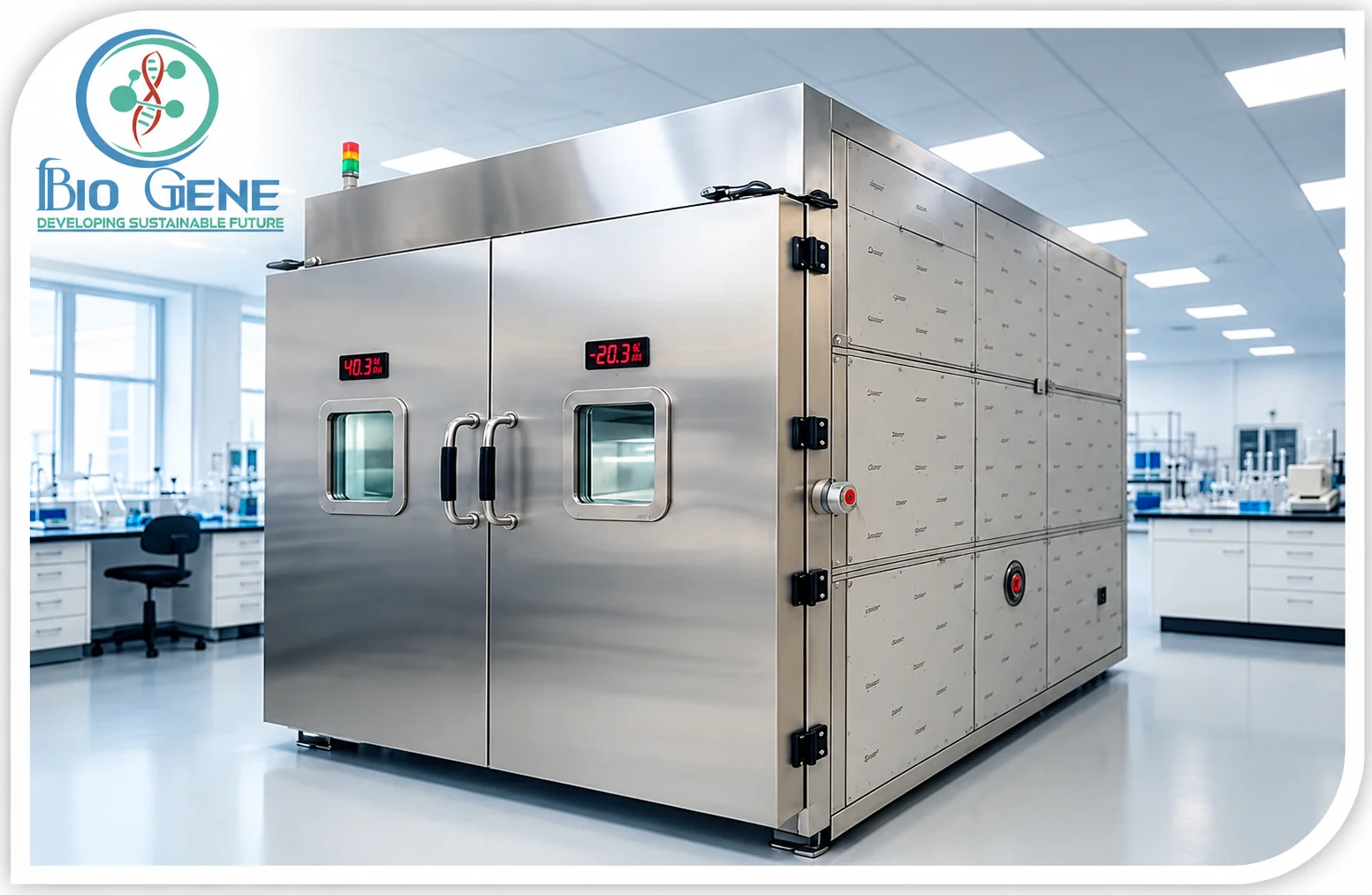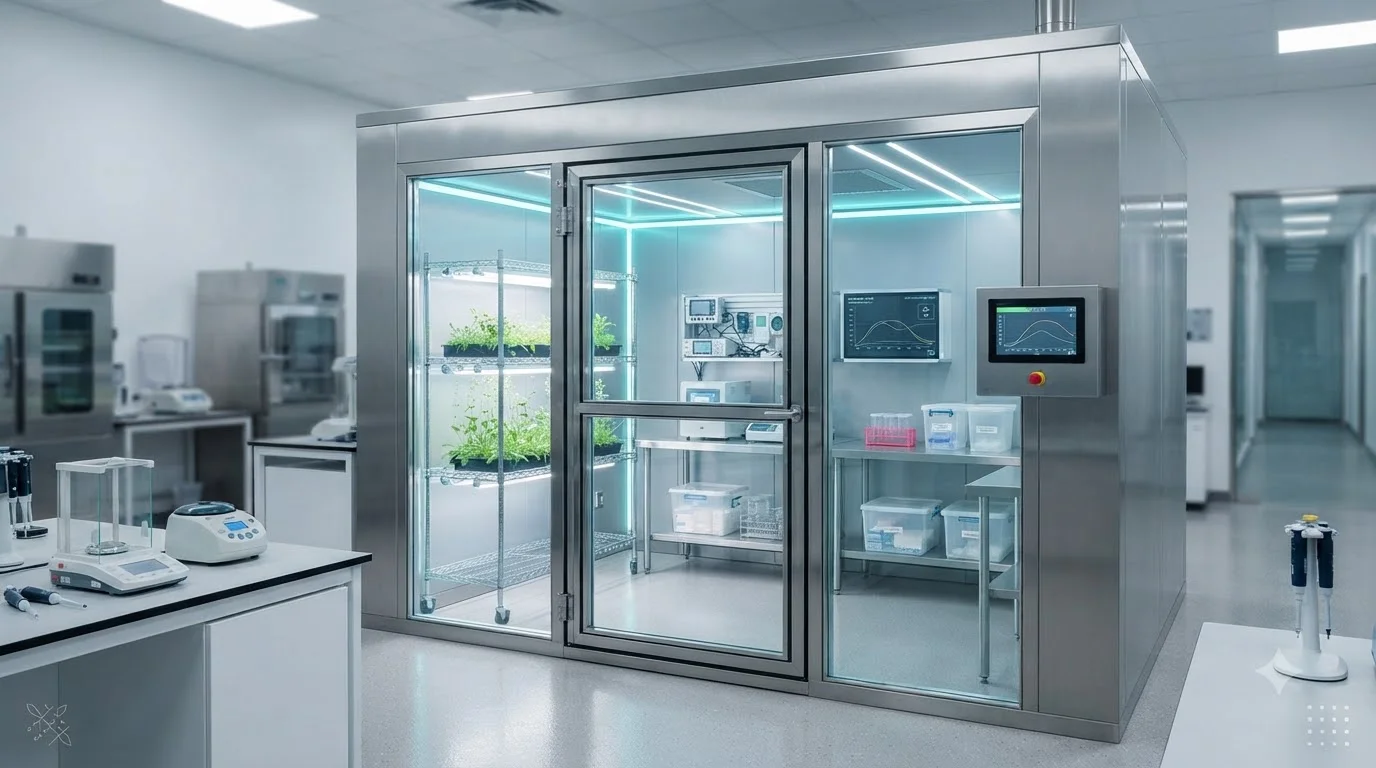
A walk-in chamber is a large, insulated, temperature-controlled room designed to store goods, materials, or products at a specific temperature and humidity level for extended periods. Unlike standard refrigerators or freezers, walk-in chambers offer significantly more storage space and can be customized to meet the exact requirements of a business, whether that means keeping food fresh, preserving pharmaceuticals, or supporting industrial processes. As global supply chains grow more complex and the demand for temperature-sensitive storage increases, walk-in chambers have become essential infrastructure across industries worldwide.This guide explains what walk-in chambers are, the different types available, their common applications, and the benefits they offer to businesses of all sizes.
A walk-in chamber is a purpose-built enclosed space, typically constructed with insulated panels, that maintains a controlled internal environment. These chambers are engineered to regulate temperature, humidity, and sometimes air quality, ensuring that whatever is stored inside remains in optimal condition. They are called "walk-in" because, unlike compact refrigeration units, people can physically enter the chamber to organize, inspect, or retrieve stored items.
Walk-in chambers are built using insulated panels made from materials such as polyurethane foam, sandwiched between metal sheets. This construction minimizes heat transfer, allowing the chamber to maintain a stable internal climate regardless of external conditions. A refrigeration or cooling system, along with sensors and control panels, works continuously to keep the environment within the desired range.
Walk-in chambers come in several forms, each designed for a specific purpose and temperature range.
Walk-in cold rooms typically operate at temperatures above freezing, generally between 0°C and 10°C. They are commonly used for storing fresh produce, dairy products, beverages, and other perishable items that need to stay cool but not frozen.
Walk-in freezers maintain temperatures well below freezing, usually between -18°C and -25°C, though some specialized units go even lower. These chambers are used for long-term storage of frozen foods, meats, seafood, and other products that require deep freezing to prevent spoilage.
Blast chillers and freezers are designed to rapidly reduce the temperature of food or products, often within minutes. This rapid cooling process helps preserve texture, flavor, and nutritional value while inhibiting bacterial growth, making it a popular choice in commercial kitchens and food processing facilities.
Some walk-in chambers are designed not just to control temperature but also humidity levels. These are often used in industries where moisture control is as critical as temperature, such as floral storage, tobacco curing, or certain pharmaceutical applications.
These specialized chambers are built to meet strict regulatory standards for storing vaccines, medicines, and biological samples. They often include advanced monitoring systems, backup power, and data logging capabilities to ensure compliance with health and safety regulations.
Walk-in chambers serve a wide range of industries, each relying on precise environmental control to protect valuable goods.
Restaurants, supermarkets, hotels, and food processing plants use walk-in chambers to store perishable ingredients, finished products, and beverages. Proper storage extends shelf life, reduces waste, and ensures food safety compliance.
Hospitals, clinics, and pharmaceutical companies depend on walk-in chambers to store vaccines, medications, and laboratory samples at precise temperatures. Any deviation from required conditions can compromise product efficacy, making reliable cold storage critical.
Farms and agricultural businesses use walk-in chambers to store harvested crops, flowers, and seeds. Controlled environments help maintain freshness and prevent premature spoilage before products reach the market.
Distribution centers and warehouses use walk-in chambers as part of the broader cold chain, ensuring that temperature-sensitive goods remain stable during storage and before transportation.
Research institutions and laboratories use walk-in chambers to store chemicals, biological specimens, and experimental materials that require stable environmental conditions for accuracy and safety.
Investing in a walk-in chamber offers several advantages for businesses that rely on consistent storage conditions.
Walk-in chambers provide significantly more storage space than standard refrigeration units, allowing businesses to store bulk quantities of goods efficiently.
Modern walk-in chambers come equipped with advanced control systems that maintain exact temperature and humidity levels, reducing the risk of spoilage or product degradation.
Walk-in chambers can be custom-built to fit available space and specific business needs. They can also be expanded or modified as storage requirements grow.
With advancements in insulation materials and refrigeration technology, many modern walk-in chambers are designed to minimize energy consumption while maintaining optimal performance, helping businesses reduce operational costs.
By maintaining consistent environmental conditions, walk-in chambers help preserve the quality, safety, and shelf life of stored products, which is especially important in food service and healthcare settings.
For industries such as pharmaceuticals and food service, walk-in chambers help businesses meet strict health and safety regulations by providing reliable, monitored storage conditions.
Before investing in a walk-in chamber, businesses should evaluate several factors to ensure they choose the right solution. Available space, required temperature range, insulation quality, refrigeration system capacity, energy efficiency, and long-term maintenance needs all play a role in determining the ideal chamber for a specific application. Working with an experienced supplier or installer can help ensure the chamber is designed and built to meet both current and future operational needs.