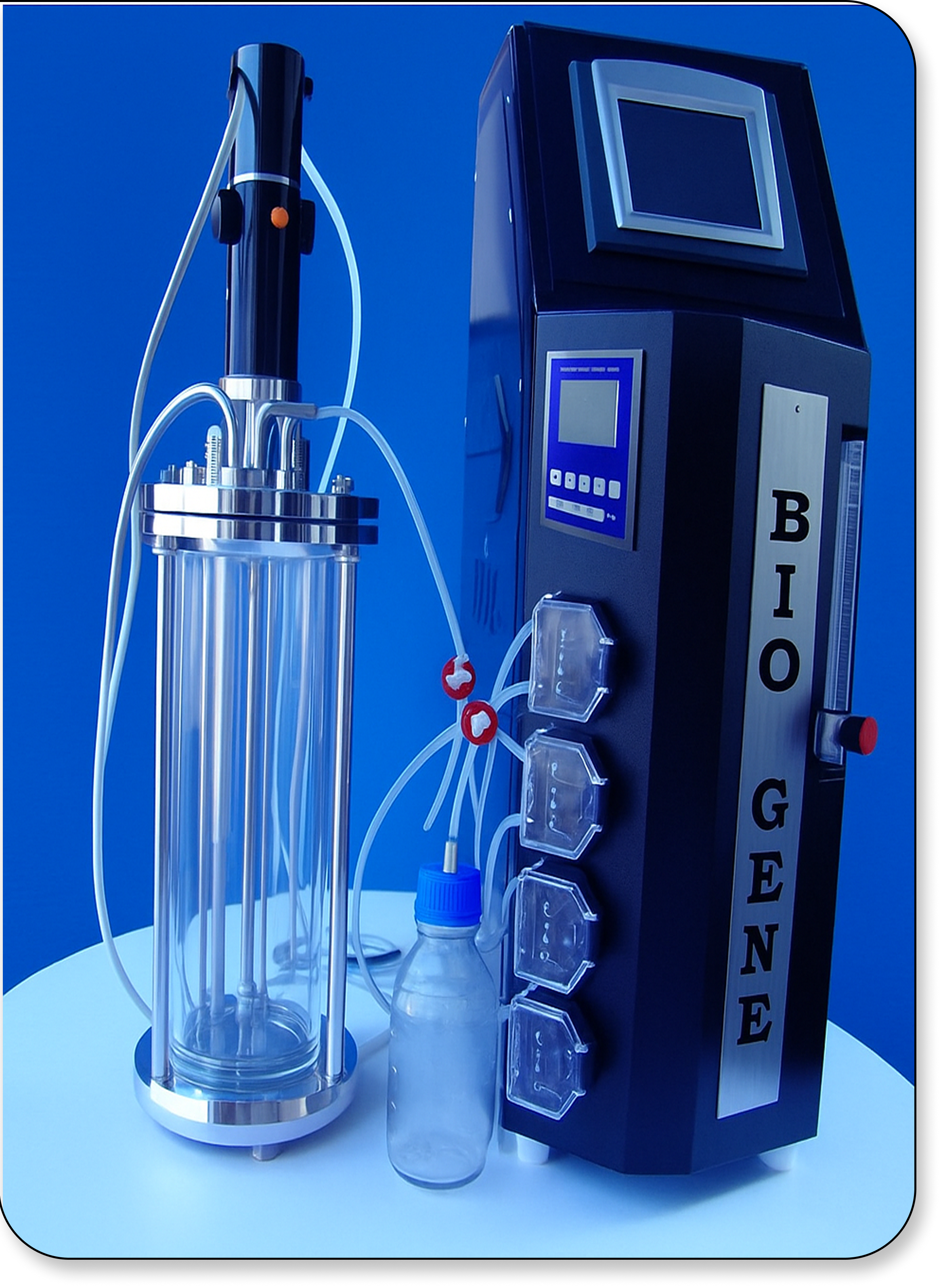
Biofertilizer Reactors for Microbial Inoculant & Organic Fertilizer Production 

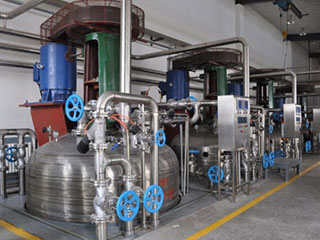
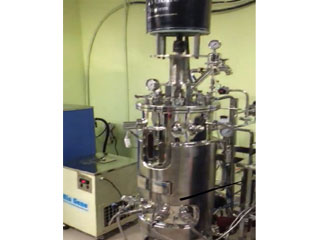
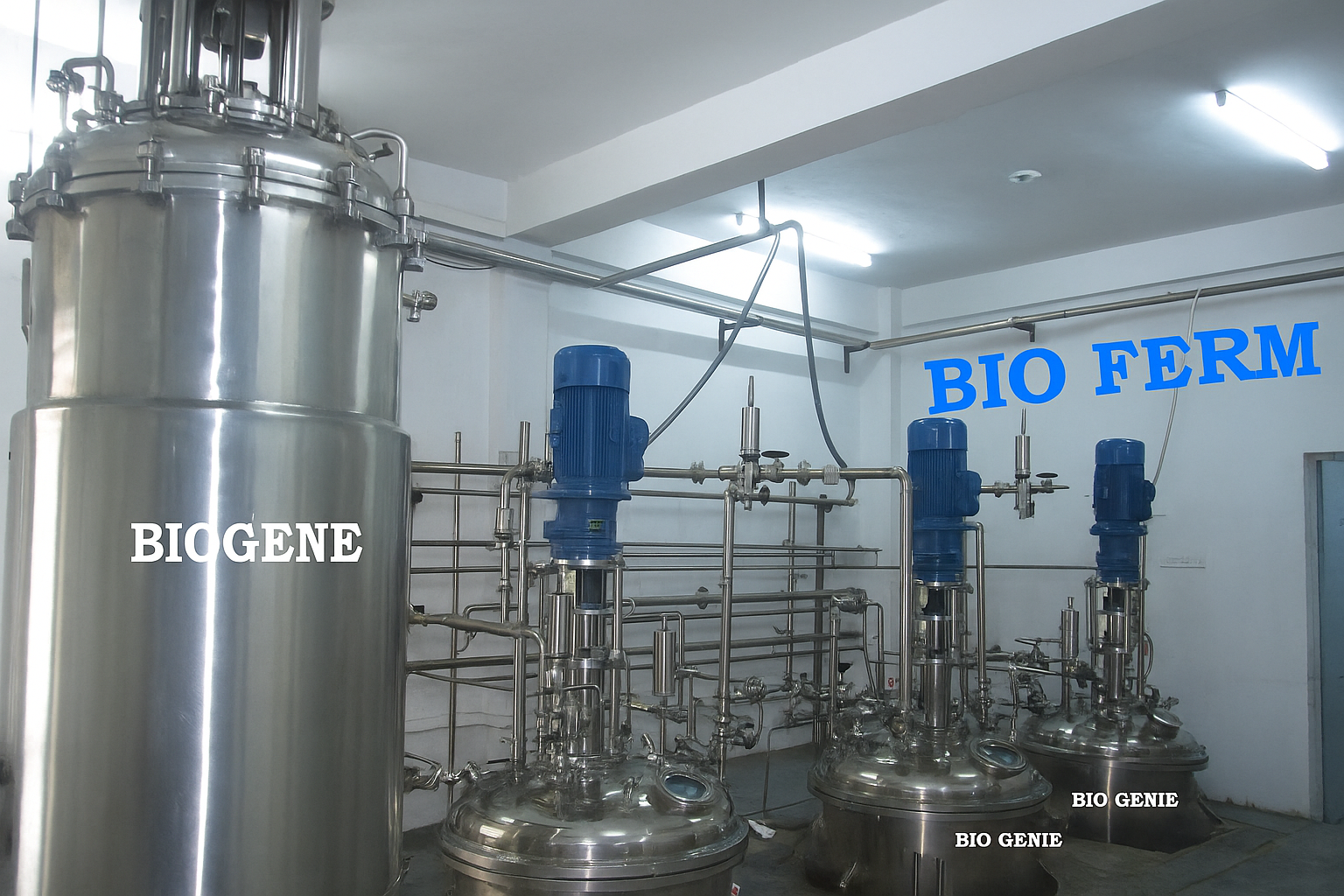
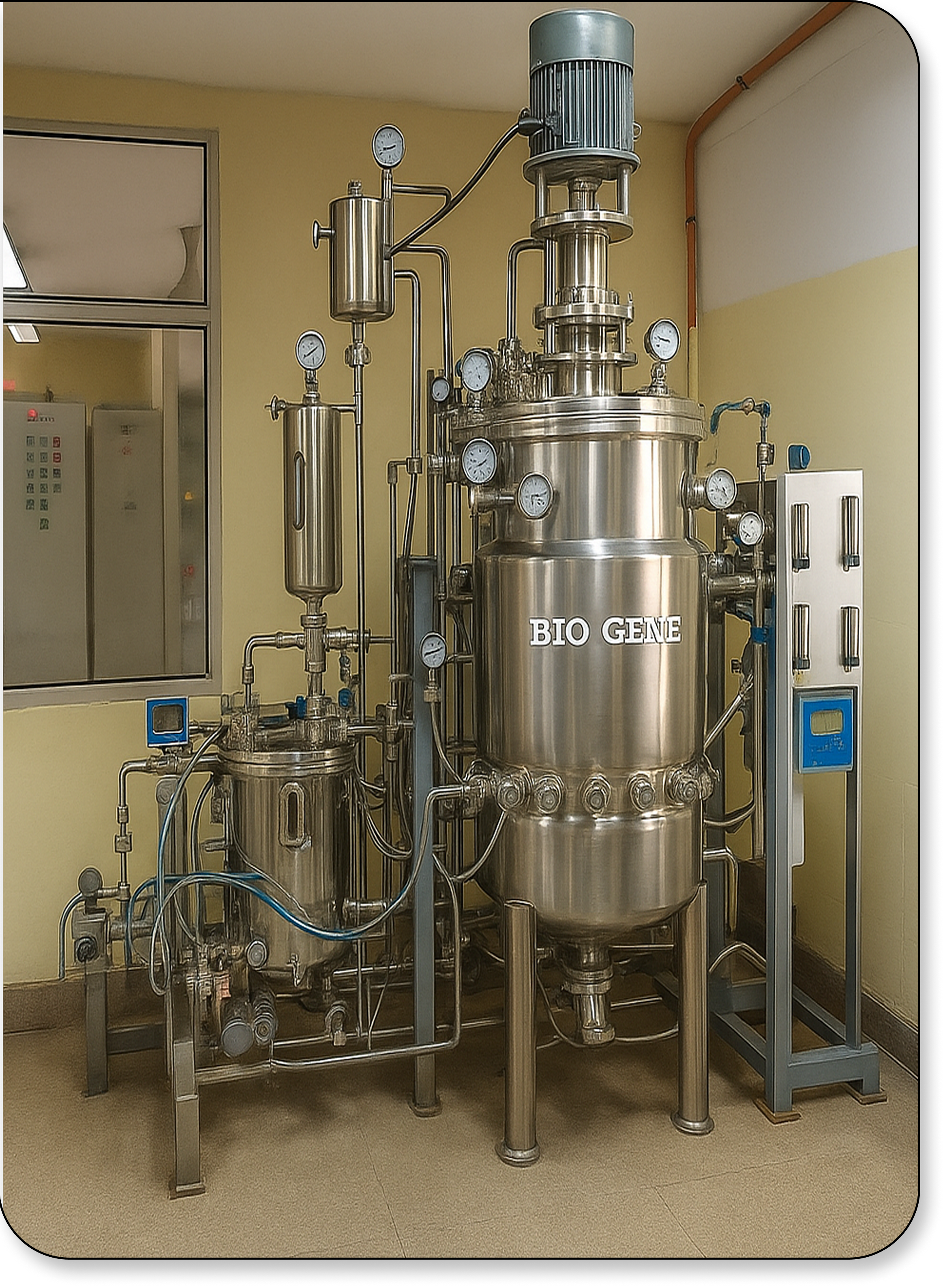
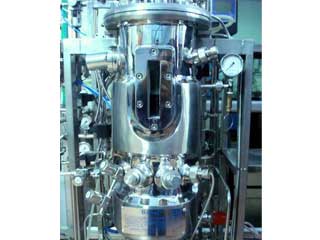
BioGene Biofertilizer Reactors are engineered to deliver high-yield, consistent microbial inoculants for agricultural and environmental applications. Designed with GMP-compliance, precision controls, and scalable capacity options, our systems serve industries worldwide — from small-scale R&D labs to 30,000L industrial production plants.

With energy-efficient agitation, optimal aeration, and automated pH & DO control, these reactors help manufacturers produce biofertilizers that enhance soil fertility, reduce chemical dependency, and support sustainable farming practices globally.

Applications

  • Large-scale biofertilizer production plants

  • Rhizobium, Azotobacter, Azospirillum culture fermentation

  • Mycorrhizal fungi & phosphate-solubilizing bacteria growth

  • Agricultural research & microbial inoculant development

  • Sustainable soil treatment and crop enhancement projects

  • Industrial export-grade biofertilizer manufacturing


BioGene Biofertilizer Reactors Have an edge over competitors as they come in tailor-made solutions which are designed especially as per the customers requirement for producing desired biofertilisers.

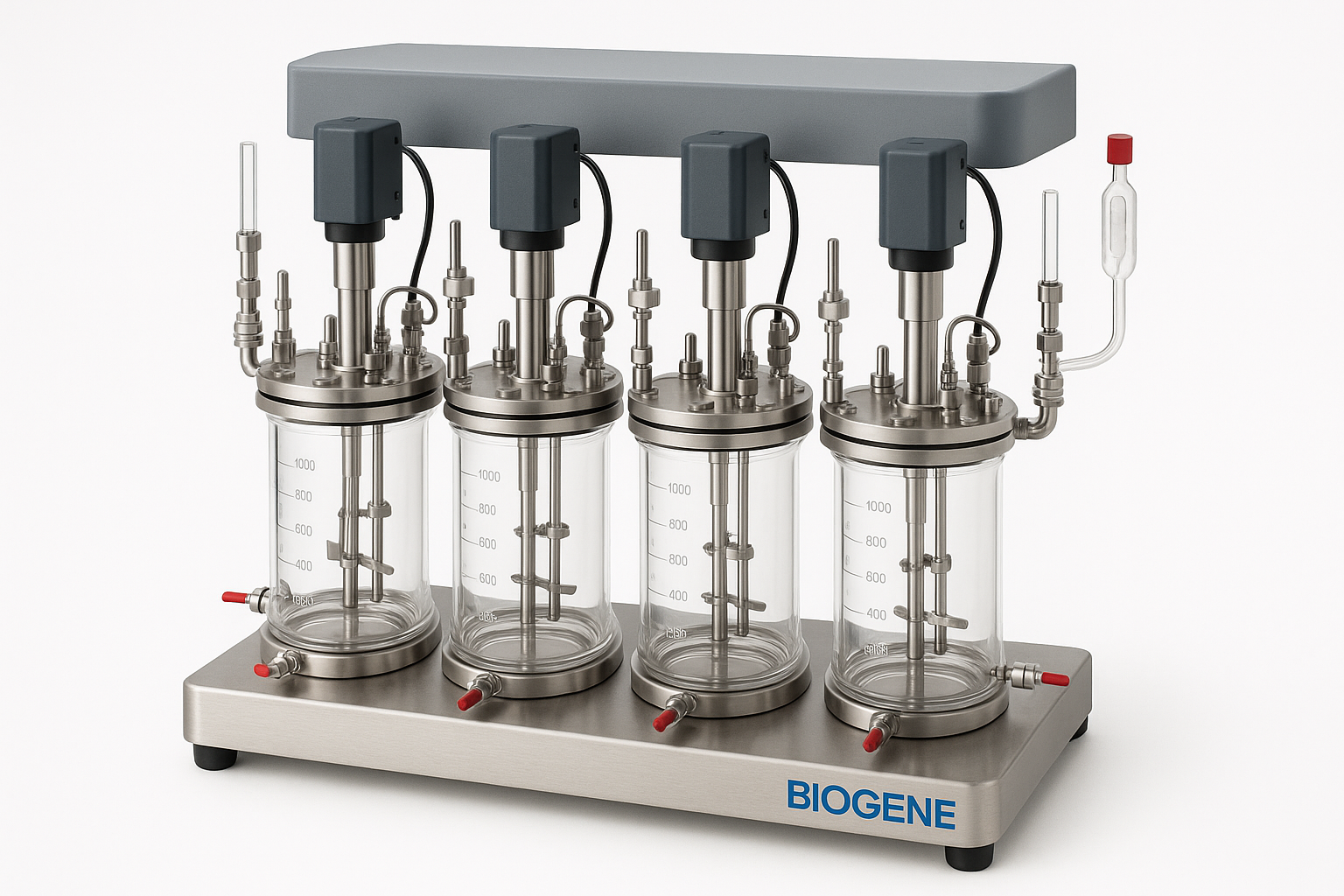
BioGene manufactures small and large capacity vessels for such reactions from 500 L to 2500 Ltrs production capacity at many places all over the globe such reactors are used successfully in many Agro-based research organisations industries and universities for onward by fertilisation leads.

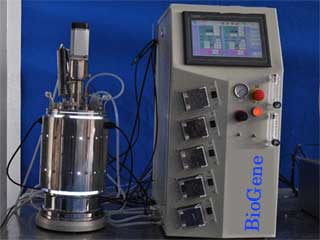
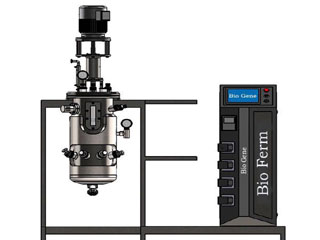
BioGene Manufacture these reactors hundred CGMP standards and complying to electro magnetic directors as per the international standards from 316L or 304 stainless steel with jackets, cooling coils,software PLC controller large display and automatic ph, DO, Temperature, antifoam, and gas controls.

Feature

• Capacities from 100L to 2000L for lab to industrial scale
• Automatic temperature, pH, DO, and agitation control
• High-efficiency aeration for maximum cell density
• GMP-compliant, corrosion-resistant SS316L contact parts
• Modular design for easy scale-up and maintenance
• Export-ready with international safety certifications

Control

Enhanced Communications & Control Options

• PLC / SCADA-based automation with remote monitoring
• Real-time data logging for batch records
• User-friendly HMI touchscreen interface
• Multiple recipe storage for various microbial strains
• Alarm & safety interlocks for operator protection

Construction

  • SS316L internal tank, polished to Ra ≤ 0.6 µm
  • SS304 external cladding for durability
  • CIP/SIP systems for sterile operation
  • Sanitary-grade valves and piping
  • Heavy-duty frame with vibration isolation

Specifications

Parameter

Specification

Capacity Range

100L – 2000L

Material of Contact

SS316L, polished to Ra ≤ 0.6 µm

Temperature Control

20°C to 80°C ±0.1°C

pH Control

4.0 – 9.0 ±0.05

DO Control

0–100% ±1%

Agitation Speed

50–300 rpm (variable)

Aeration Rate

0.5 – 2 vvm

Automation

PLC/SCADA with remote monitoring

Compliance

GMP, CE, ISO

A biofertilizer reactor is a controlled vessel that uses beneficial microorganisms, organic waste, and specific environmental conditions like temperature, moisture, and aeration to convert raw organic material into nutrient-rich fertilizer. The reactor accelerates natural decomposition and microbial activity so the process that would normally take months in open composting can happen in a matter of days or weeks, while also standardizing the quality and nutrient content of the final product.

Most reactors accept agricultural residues, animal manure, food waste, crop stubble, and other organic byproducts. The key requirement is that the material should be free of large amounts of plastic, metal, or other non-biodegradable contaminants, and it helps to shred or pre-process bulky material so it breaks down more evenly and efficiently inside the chamber.

Production time depends on the reactor size, the type of input material, and the operating conditions, but most systems are designed to produce a stable, usable output within one to four weeks. Reactors with automated temperature and moisture control tend to be faster and more consistent than manual or passive systems.

Yes, when the reactor has properly completed its cycle, the resulting biofertilizer is generally safe for a wide range of crops including vegetables, fruits, and grains. Proper processing kills most harmful pathogens and reduces weed seed viability, but it's still good practice to test soil and follow recommended application rates for your specific crop and soil type.

Routine maintenance usually involves monitoring moisture and temperature levels, periodically turning or mixing the material if the system isn't fully automated, cleaning intake and outtake ports, and checking that any fans, sensors, or motors are functioning correctly. Following the manufacturer's maintenance schedule helps extend the reactor's lifespan and keeps fertilizer quality consistent batch after batch.
×