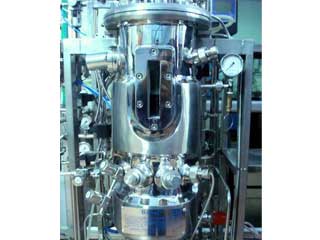
Lab Mini Fermenters for Compact Bioprocessing & Academic Research

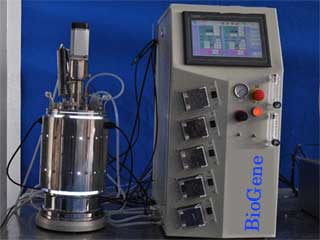
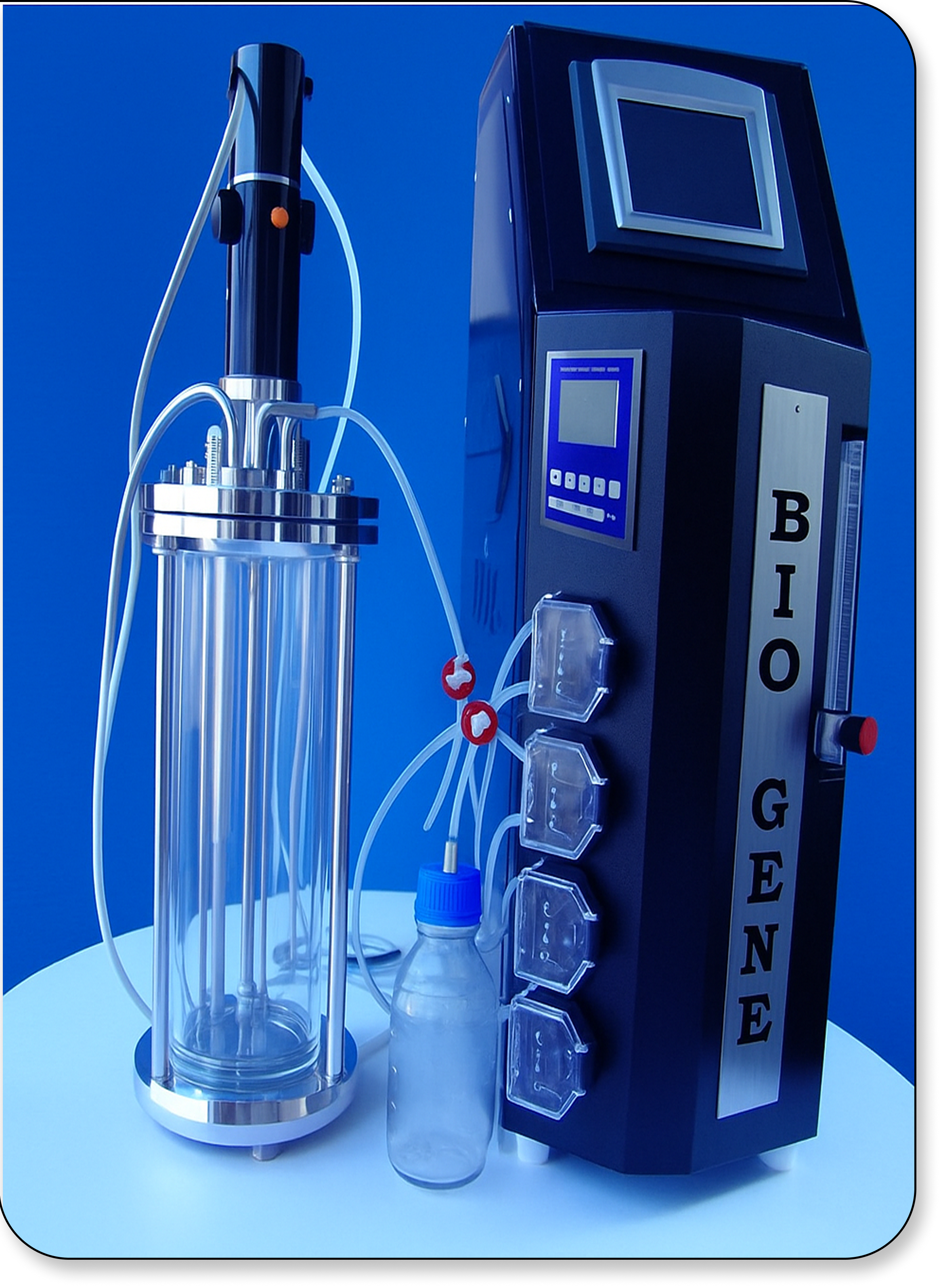
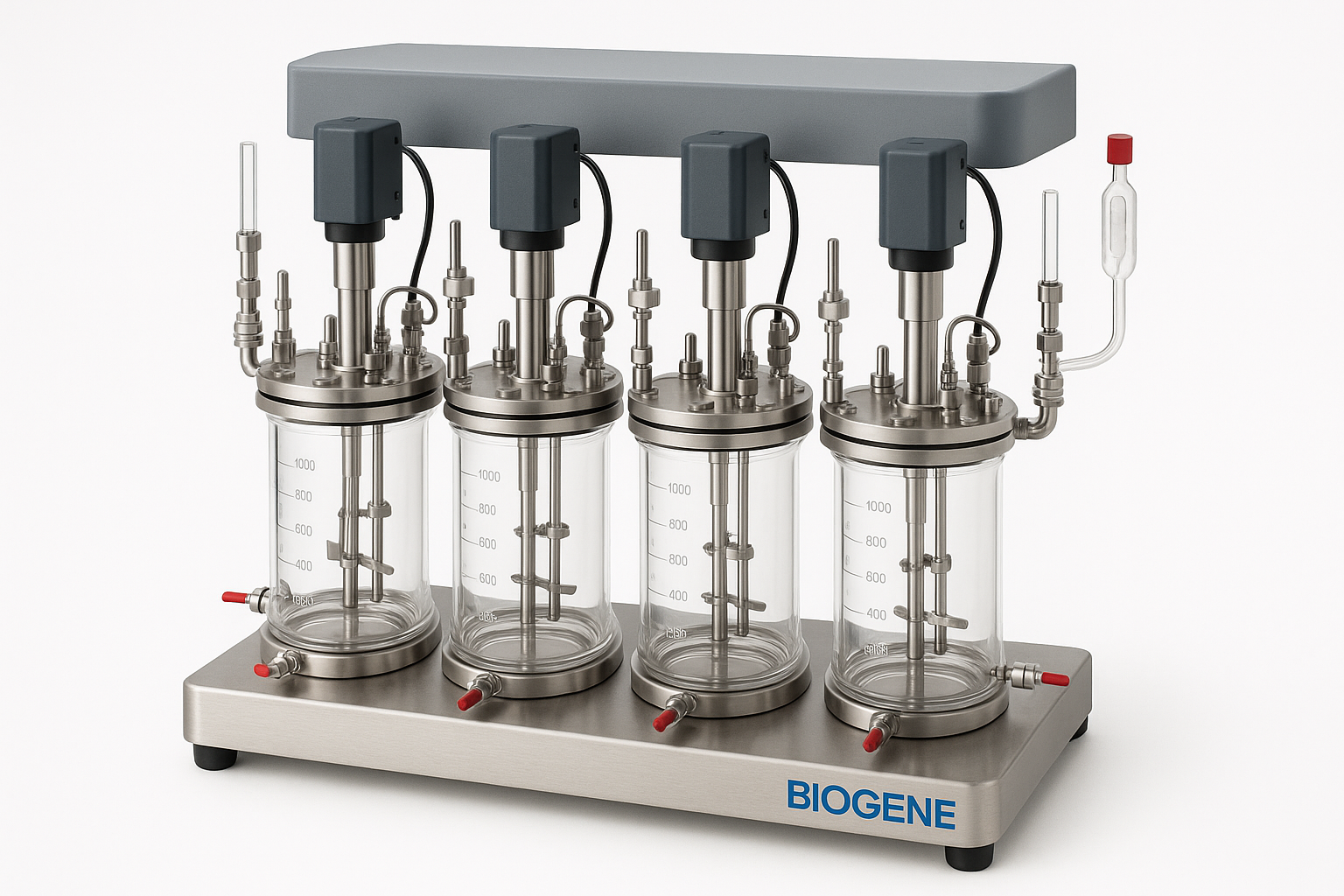
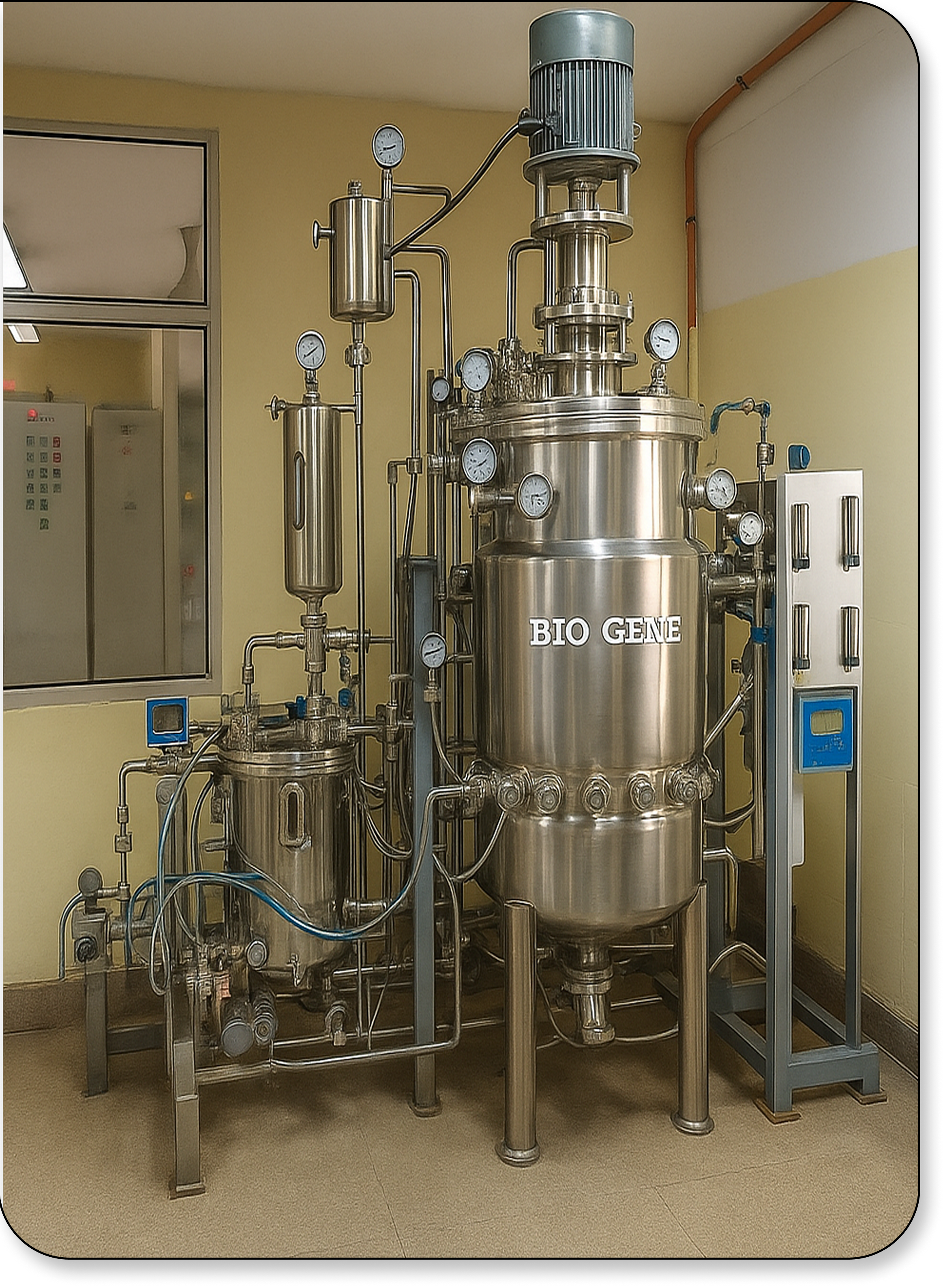
The BioGene Lab Mini Fermenter is an advanced small-scale bioreactor designed for laboratories, universities, and biotech R&D centers requiring precise control over fermentation parameters in a compact footprint. With capacities ranging from 0.5L to 5L, it’s perfect for strain screening, culture optimization, and academic training without compromising on industrial-grade performance.

Built with borosilicate glass vessels for process visibility and SS-316L contact components for sterility, the Lab Mini Fermenter integrates advanced temperature, pH, DO, and agitation control. Its modular design allows easy upgrades, while the energy-efficient system ensures low operating costs.

For scale-up, BioGene also offers Lab Scale Fermenters, Pilot Scale Fermenters, and Large Industrial Fermenters.

Applications

  • Strain screening and microbial growth studies

  • Academic training & research projects

  • Biotech and pharmaceutical R&D

  • Enzyme and metabolite production trials

  • Process parameter optimization

  • Small-batch specialty fermentation

Capacity:- 200ml  to 1000ml

BioGene offers a real alternative to our competitors with a truly modular system capable of each module being totally independent. Using its own power supply PLC microprocessor large TFT display colour graphics are some additional features of BioGene mini Fermentor.

All the individual modules can be stacked together to create an extremely neat and combined unit with interlinking cables. 

The controllers are easy to understand and simple to use, ideal for projects where any clip and feminisation time is limited. Because the modules are totally independent and also easily be used to upgrade.

BioGene Bioreactors are preprogrammed with fermentation operation modes allowing a system to adapt as per your needs the Fermenter provides an all-purpose bioprocess system designed to maximum Yields in both cell culture and cell harvesting.

Features

  • Compact benchtop design for space efficiency

  • Transparent glass vessel for full visibility

  • Modular impeller and aeration systems

  • Precise pH, DO, and temperature control

  • USB/Ethernet data logging and analysis

  • Low noise and low power consumption

Control

  • PLC or microprocessor-based automation

  • Touchscreen HMI for easy operation

  • Real-time parameter display with trend graphs

  • Remote monitoring via PC or mobile

  • Multi-step recipe programming for repeatability

Construction

  • Borosilicate glass vessel with SS-316L wetted parts

  • SS-304 support frame with vibration damping

  • Sanitary tri-clamp fittings for easy cleaning

  • Autoclavable vessel and components

  • High-grade gaskets for contamination prevention

Specifications

Parameter

Value/Range

Vessel Capacity

0.5 – 5 Liters

Vessel Material

Borosilicate Glass

Contact Parts

SS-316L

Agitation Speed

50 – 1200 RPM

Temperature Range

Ambient to 70°C

pH Control Range

3.0 – 9.0

DO Control Range

0 – 100%

Control System

PLC or Microprocessor

The Lab Mini Fermenter is a compact benchtop system designed for small-scale fermentation processes such as microbial culture growth, enzyme production, and process optimization before scaling up to larger production. It is ideal for research labs, universities, and product development teams who need precise control over fermentation conditions in a small working volume.

The unit typically supports working volumes ranging from a few hundred milliliters up to a few liters, depending on the model configuration. It includes controls for temperature, pH, dissolved oxygen, and agitation speed, allowing users to closely replicate industrial fermentation conditions on a smaller, more manageable scale.

Most components are autoclavable or can be cleaned using standard lab sterilization procedures such as steam sterilization or chemical disinfection, depending on the material of the vessel and accessories. It is important to follow the manufacturer's cleaning guide closely, since sensors and seals may require gentler handling than the vessel itself to avoid damage or calibration drift.

Many modern mini fermenter models include digital interfaces or software platforms that allow real-time monitoring of parameters like temperature, pH, and oxygen levels. Some models also support remote access through a computer or mobile connection, so users can track fermentation progress without being physically present at the bench.

Routine maintenance generally includes periodic calibration of pH and dissolved oxygen probes, inspection of seals and tubing for wear, and regular firmware or software updates if the unit is digitally controlled. Following a consistent calibration schedule helps ensure accurate readings and reliable fermentation results over the life of the equipment.
×