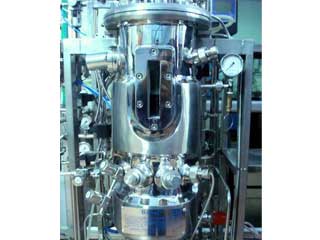
Glass Multivessel Fermenters for Parallel Lab-Scale Fermentation

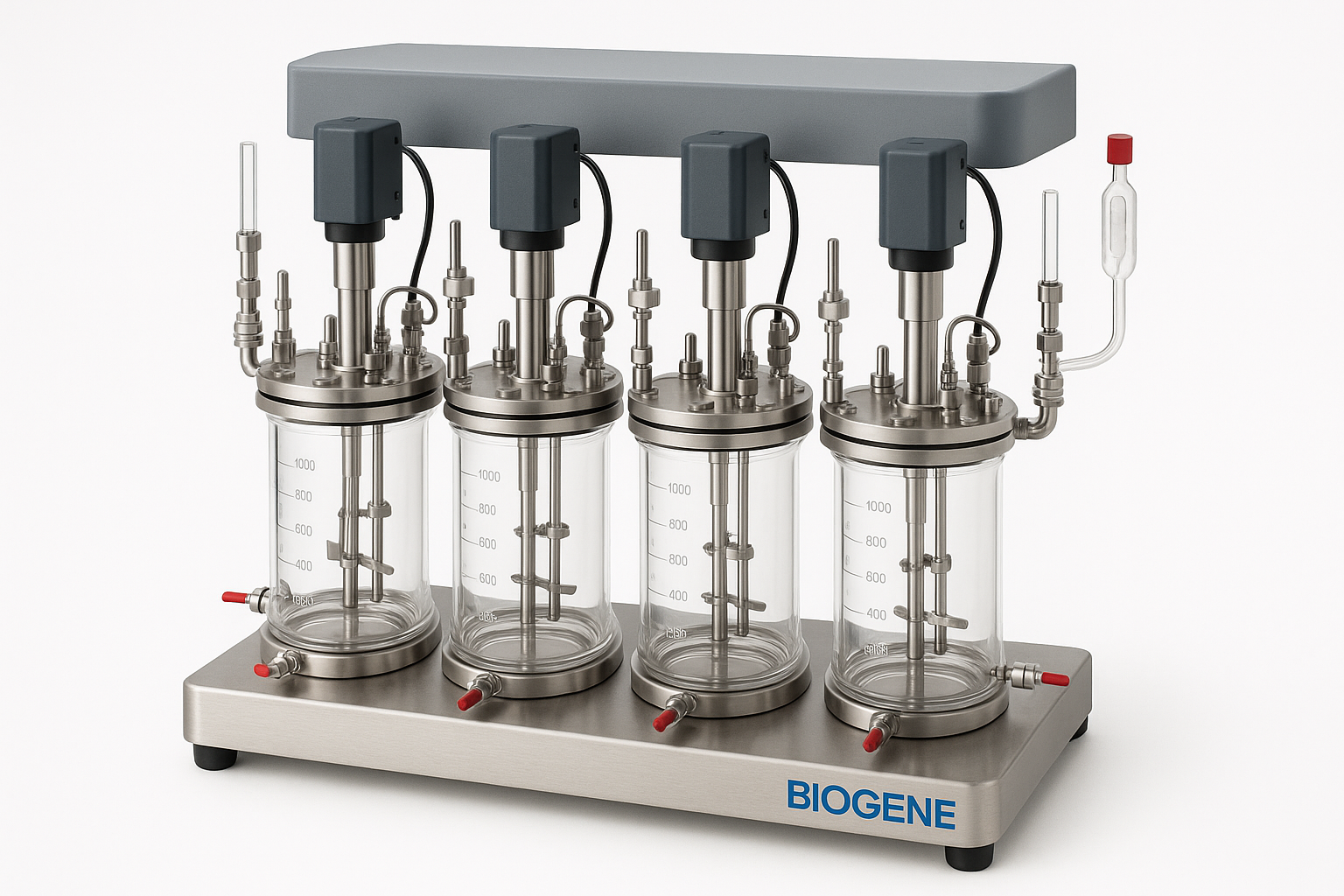
The BioGene Glass Multivessel Fermenter is designed for laboratories and research facilities that require simultaneous, independent fermentation processes under precisely controlled conditions. Each vessel operates with individual agitation, aeration, pH, DO, and temperature controls, allowing researchers to optimize multiple parameters at once for comparative studies.

Manufactured with borosilicate glass for full process visibility and SS-316L contact components for sterility, these fermenters are ideal for microbial, cell culture, plant, and enzymatic processes. Whether in academic research, biotech innovation, or pharmaceutical development, BioGene’s multivessel systems accelerate experimental throughput and reduce project timelines.

For scaling up, we also offer Pilot Scale Fermenters and Large Industrial Fermenters. Specialized solutions like Biofertilizer Reactors and Seed Fermenters are available for industry-specific needs.

Multinational glass fermenters are insitu.

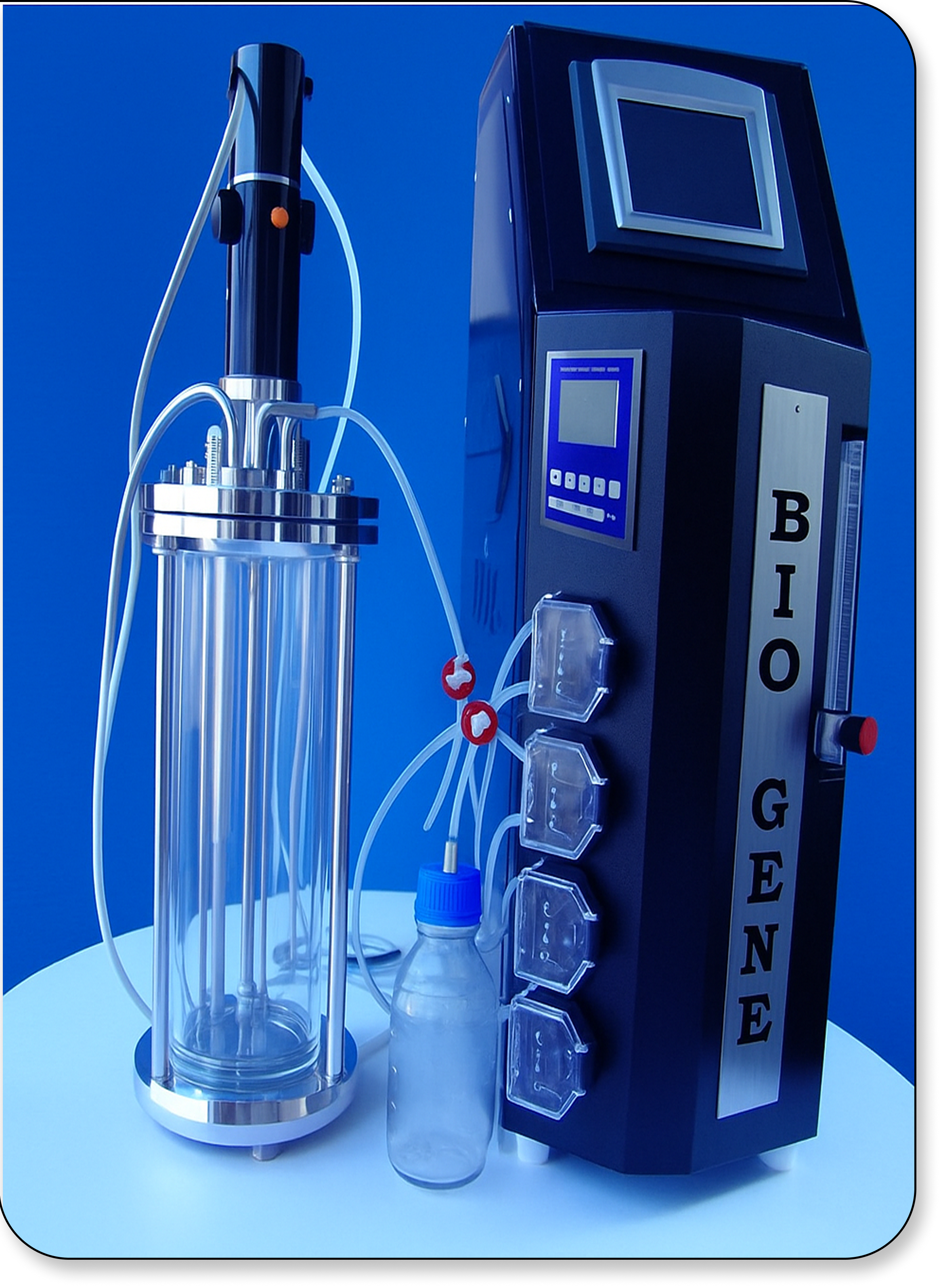
where in sterilisation in place is done with much ease,offers multivessels Glass fermenters which can work together from single controller that commands to 4 to 6 bioreactor vessels.

Choice of agitation which can be magnetic Drive or Top driven with Plc control with dedicated software for each fermentation process enabling the operator user scientist to easily complete to the required process and the results.

Glass Fermenter vessels are available in jacketed on non-jacket configurations and vessels top plates made of stainless steel 316 L grade with multi port enabling to fix temperature pH DO feed and all other need for fermentation.

SKADA software also enables the scientist to use in process data and monitor online the software and the M I S system for reports can be enabled through Wi-Fi, password enabled programmes to make department Titian process much easier.

Applications

  • Parallel strain screening and optimization

  • Comparative studies of process parameters

  • Microbial and cell culture research

  • Enzyme production trials

  • Academic and training purposes

  • Pre-commercial R&D testing

Features

  • Multiple vessels (2–6) with independent controls

  • Transparent borosilicate glass for visibility

  • Modular impeller and sparger designs

  • CIP/SIP sterilization capabilities

  • Data logging for all vessels

  • Space-efficient bench-top configuration

Control

  • PLC or SCADA-based automation

  • Individual touchscreen HMIs for each vessel

  • Real-time parameter display and trending

  • Remote monitoring and alarm notifications

  • Batch recipe storage for reproducibility

Construction

  • Vessels made from borosilicate glass with SS-316L contact parts

  • SS-304 support frame with anti-vibration mounts

  • Sanitary tri-clamp connections

  • High-grade seals to prevent contamination

  • Easy disassembly for cleaning and maintenance

Specifications

Parameter

Value/Range

Vessel Capacity

2 – 10 Liters per vessel

Vessel Material

Borosilicate Glass

Contact Parts

SS-316L

Agitation Speed

50 – 1200 RPM

Temperature Range

Ambient to 70°C

pH Control Range

3.0 – 9.0

DO Control Range

0 – 100%

No. of Vessels

2 – 6

Control System

PLC/SCADA with individual HMI

A glass multivessel fermenter is designed for fermenting liquids such as wine, beer, kombucha, cider, or other beverages in multiple connected glass vessels at once. It allows you to monitor the fermentation process visually since the vessels are made of clear glass, while maintaining a controlled and sealed environment for consistent results.

Yes. The glass used in these fermenters is typically borosilicate or food-grade glass, which is resistant to thermal shock, non-reactive with acidic or alcoholic liquids, and does not absorb odors or flavors over time. With proper handling, it can be used for years without affecting the taste or quality of your ferment.

After each use, rinse the vessels with warm water immediately to prevent residue from hardening. Use a mild, unscented cleaning solution along with a soft brush designed for narrow glass necks. Avoid abrasive scrubbers that can scratch the glass. Allow all parts, including airlocks and stoppers, to air dry fully before storing or reusing.

Yes, that is the main advantage of a multivessel system. Each vessel operates independently, so you can ferment different recipes, flavors, or batch sizes at the same time without cross-contamination, as long as each vessel is sealed and fitted with its own airlock.

Stop using the affected vessel immediately, as even small cracks can compromise the airtight seal needed for proper fermentation and may pose a safety risk under pressure. Inspect all vessels regularly before each use, and replace any damaged unit rather than attempting a repair, since compromised glass can shatter unexpectedly.
×