Applications
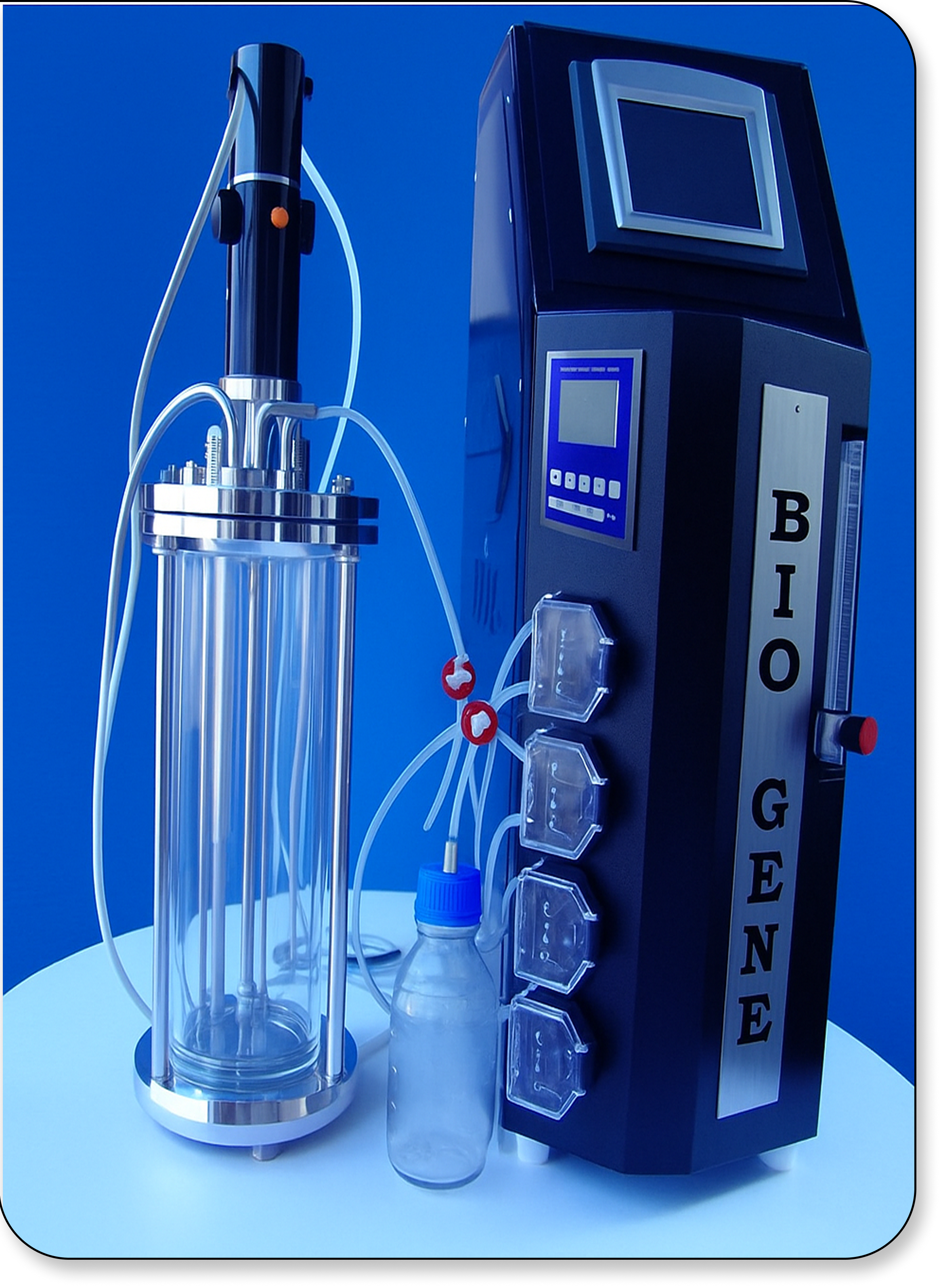
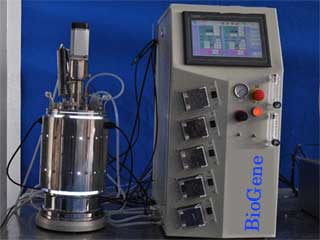
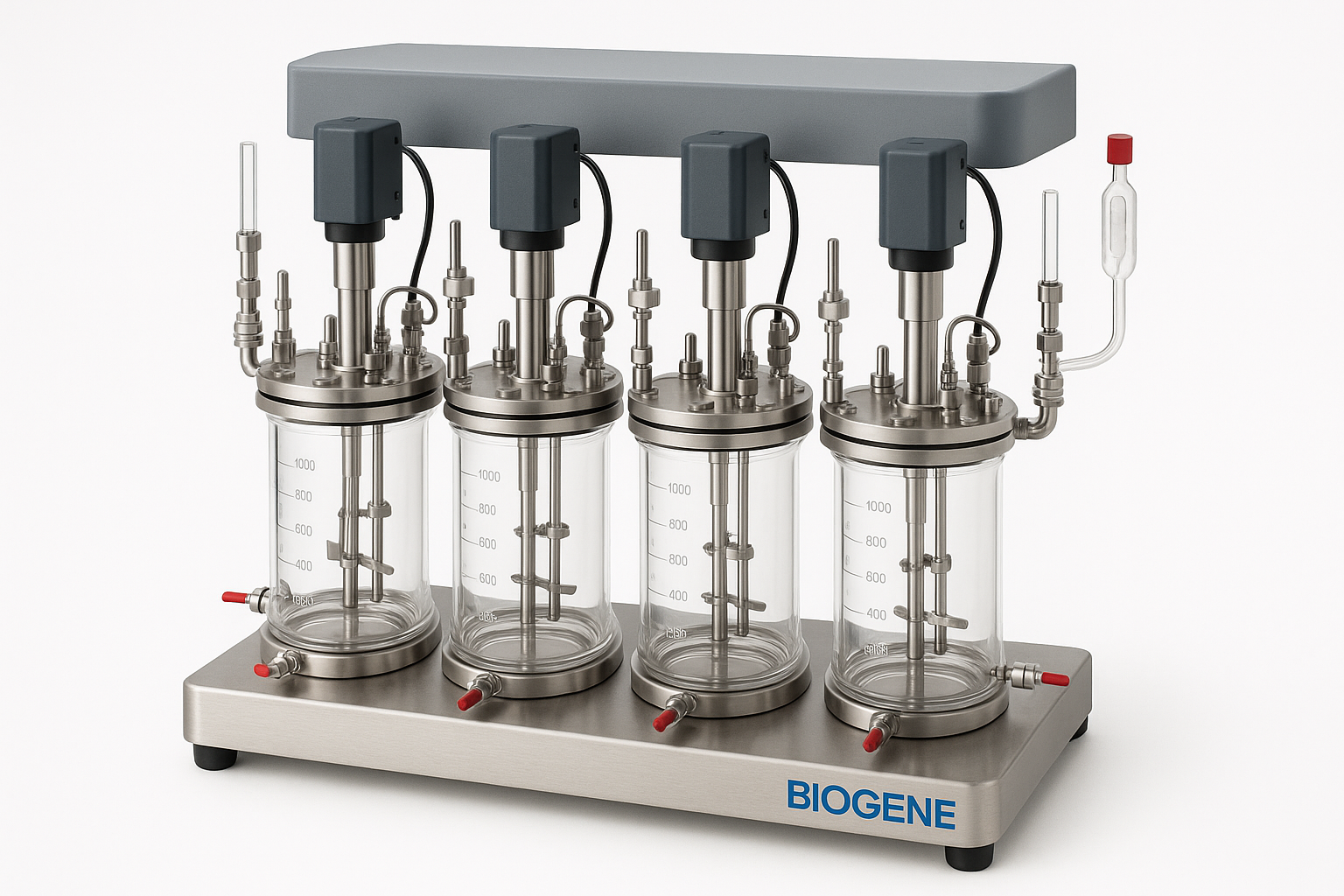
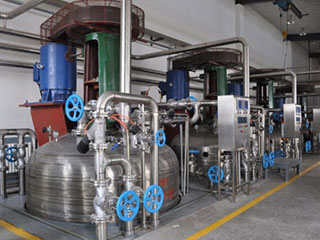
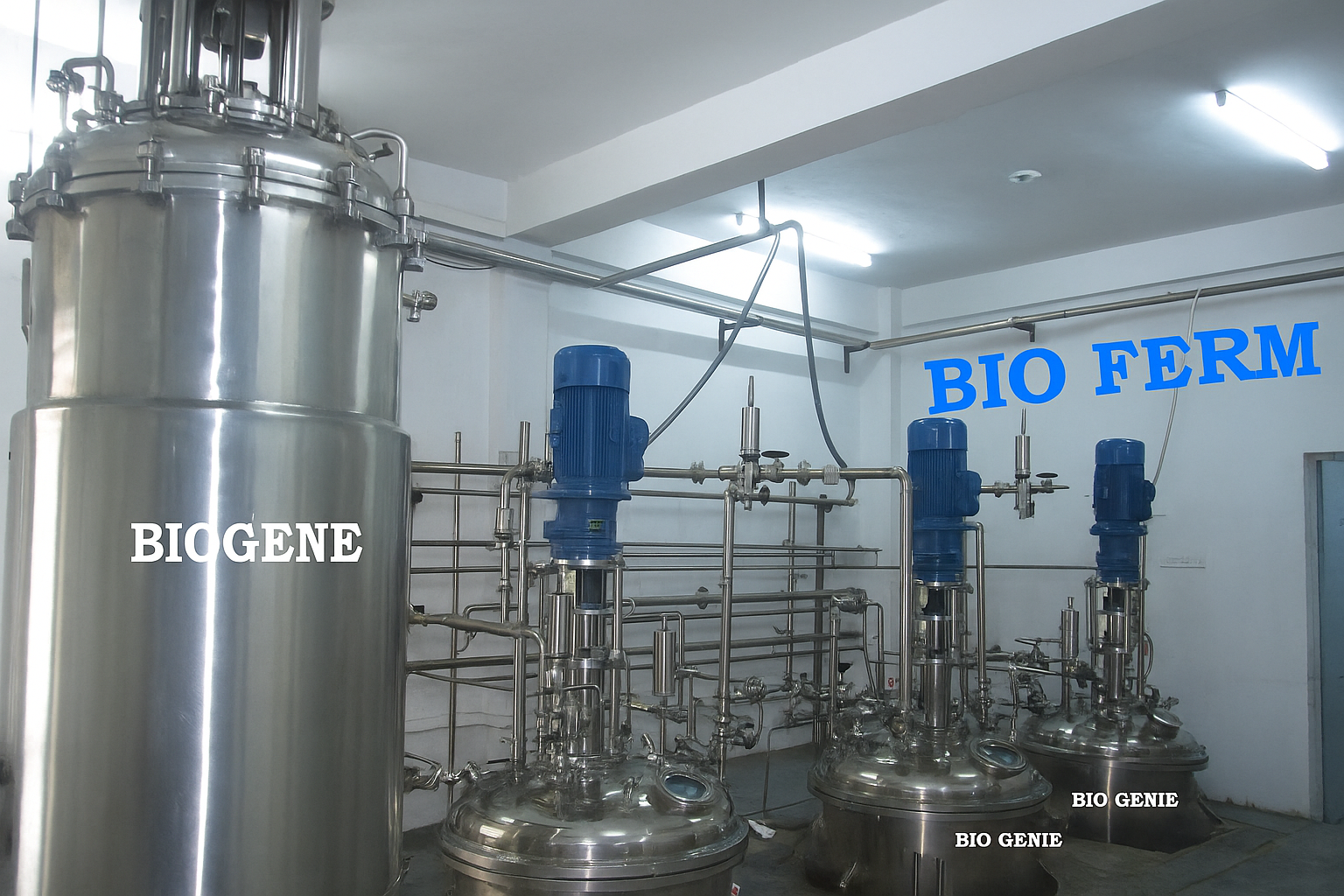
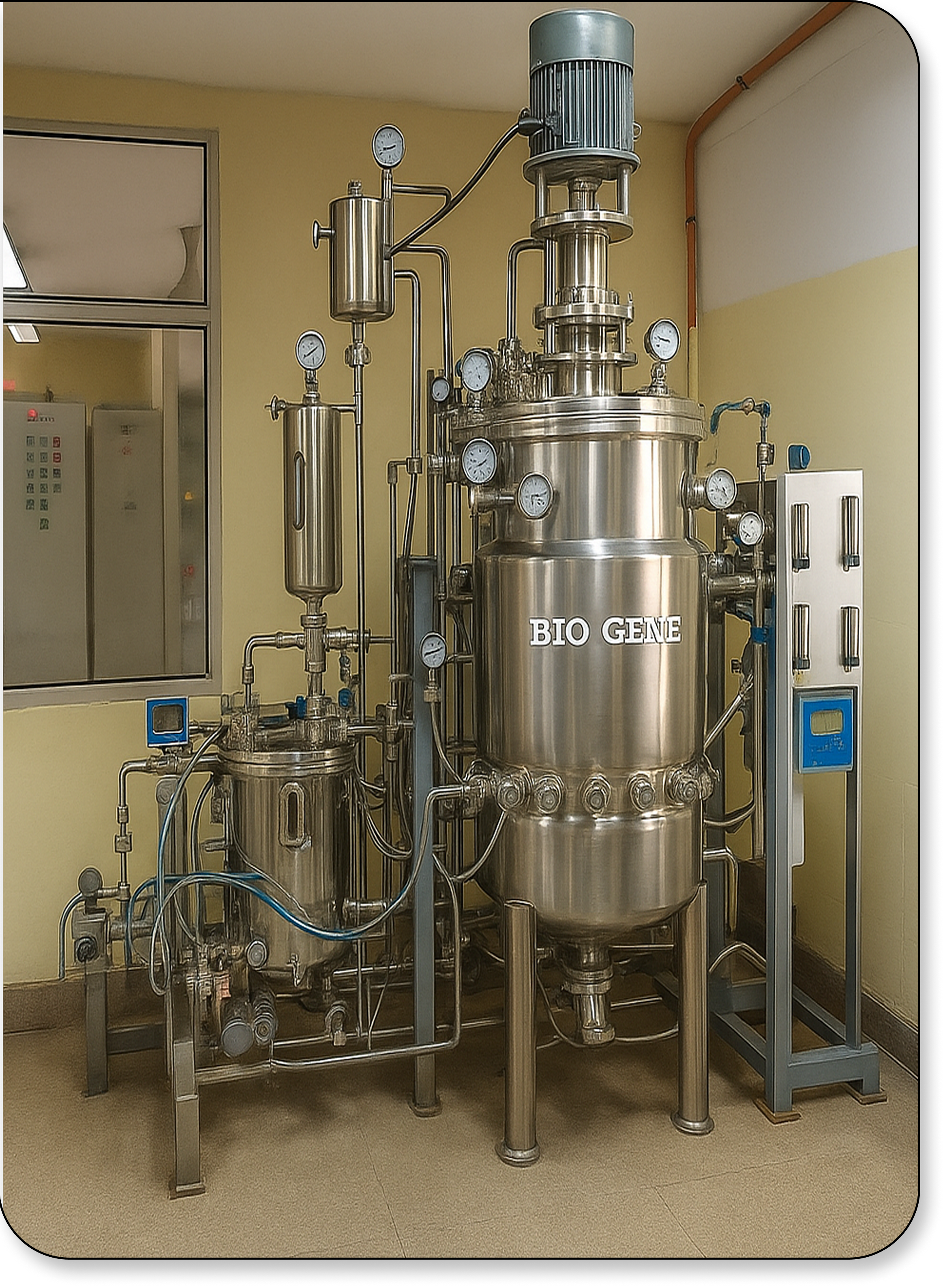
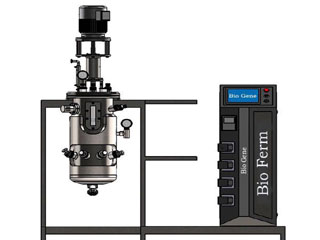
BioGene Lab Fermenters are designed to confirm the research scientist needs where in the microorganisms like Yeasts bacteria CHO cells are subjected to convert sugar, carbohydrates into growth limiting nutrients expression to harvest cells by enhancing metabolic process, Constructed out of take glass or stainless steel 316 vessels jacket it or non-jacketed with top plate driven and controlled by dedicated plc with touchscreen colour monitor and advance Scada software to enable the live reaction closest recording and MIS information.
Whether in situ sterilisation is needed or wanted of Autoclavable vessels BioGene has the solution.
- Research and development in biotechnology & pharmaceuticals
- Microbial fermentation for enzymes, proteins, and metabolites
- Cell culture for academic and commercial research
- Biofertilizer and agricultural biotech production
- Pilot-scale trials before commercial scale-up
- Educational training in fermentation processes
Features
- Precise temperature, pH, and DO control
- Variable-speed agitation with impeller customization
- CIP/SIP sterilization options for contamination prevention
- Modular design for easy upgrade and customization
- Real-time process monitoring with data logging
- Compact footprint for laboratory space efficiency
Control
- Advanced PLC or SCADA-based control system
- Touchscreen HMI for intuitive operation
- Remote monitoring and data access capability
- Automatic alarm and safety shutdown features
- Recipe storage for repeatable batch processing
Construction
- High-grade SS-316L contact parts
- SS-304 outer body with durable finish
- Sanitary-grade fittings and valves
- Transparent sight glass for visual inspection
- Heavy-duty frame for vibration-free operation
Specifications
|
Parameter
|
Value/Range
|
|
Working Volume
|
2 – 20 Liters
|
|
Material
|
SS-316L (product contact)
|
|
Agitation Speed
|
50 – 750 RPM
|
|
Temperature Range
|
Ambient to 70°C
|
|
pH Control Range
|
3.0 – 9.0
|
|
DO Control Range
|
0 – 100%
|
|
Sterilization
|
In-situ / Autoclave
|
|
Power Supply
|
220–240V AC, 50Hz
|
|
Control System
|
PLC/SCADA with HMI
|
A lab scale fermenter is a compact, controlled vessel used to grow microorganisms such as bacteria, yeast, or fungi under precisely regulated conditions. It allows researchers to study fermentation processes, optimize growth parameters, and produce small batches of biological products before scaling up to pilot or industrial production. It's commonly used in biotechnology, pharmaceutical research, food science, and academic laboratories.
Lab scale fermenters typically range from around 1 liter to 20 liters in total vessel volume, with a working volume that is usually 60 to 80 percent of the total to allow room for foam and aeration. The exact usable volume depends on the specific model, and most units allow flexibility within that range so you can run smaller test batches or larger runs depending on your experiment.
The fermenter uses integrated sensors and control loops to continuously monitor and adjust key parameters. A heating and cooling jacket or blanket maintains the set temperature, an automated dosing system adds acid or base to keep pH within the target range, and a sparger combined with an agitator controls dissolved oxygen levels. These systems work together so the culture stays in stable, reproducible conditions throughout the process.
Yes, most lab scale fermenters are designed for straightforward cleaning and sterilization. Vessels can typically be autoclaved directly if they are glass or designed for it, and many models also support clean-in-place or steam-in-place procedures for added convenience. Following the recommended cleaning cycle between runs helps prevent contamination and keeps results consistent from batch to batch.
Routine maintenance generally involves checking and calibrating sensors, inspecting seals and tubing for wear, and replacing consumable parts such as filters or gaskets on a regular schedule. Manufacturers usually provide user manuals, calibration guides, and customer support to help troubleshoot issues. Keeping a maintenance log and following the recommended service intervals will extend the equipment's lifespan and ensure reliable performance over time.

 Related Products