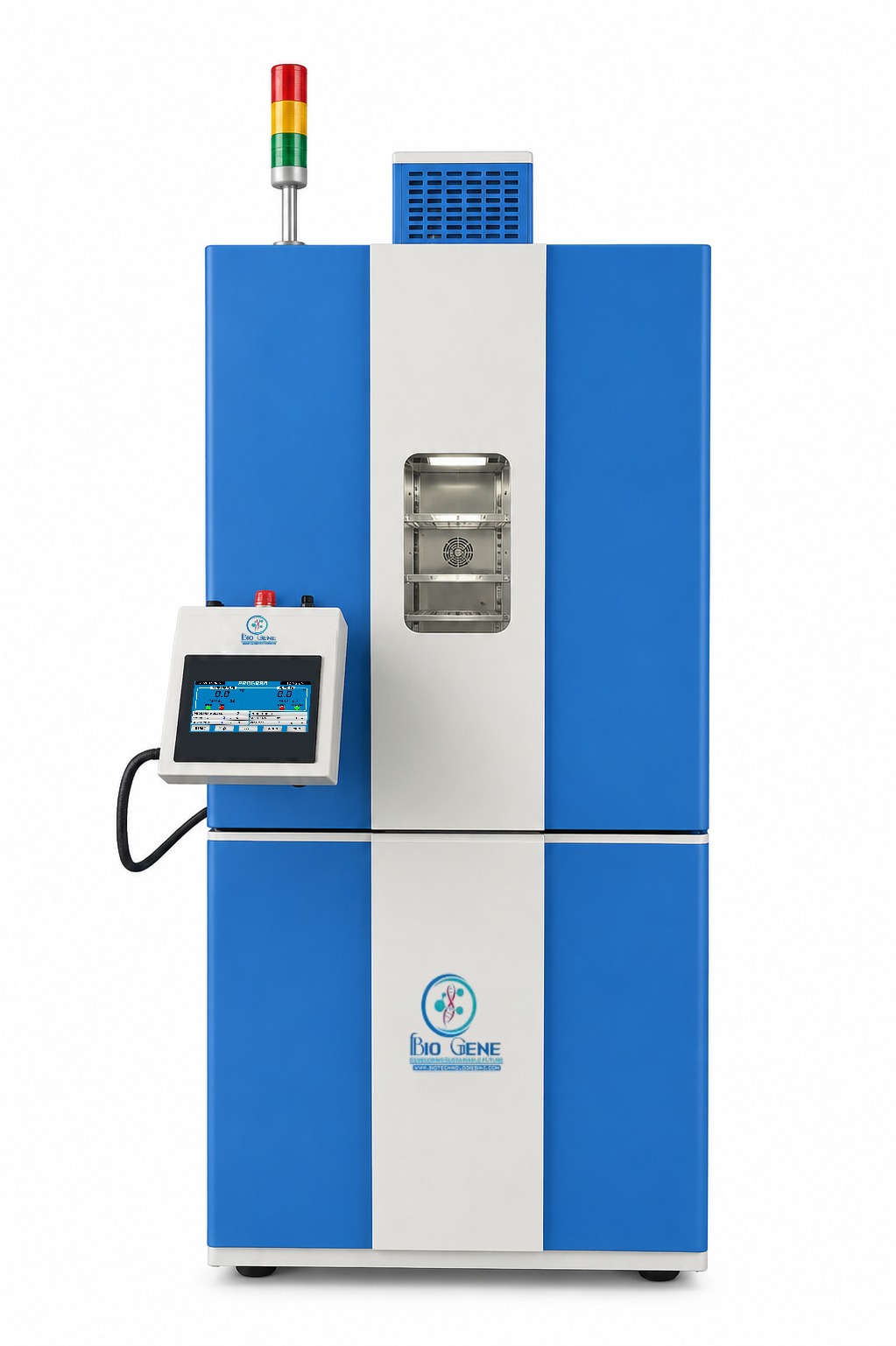
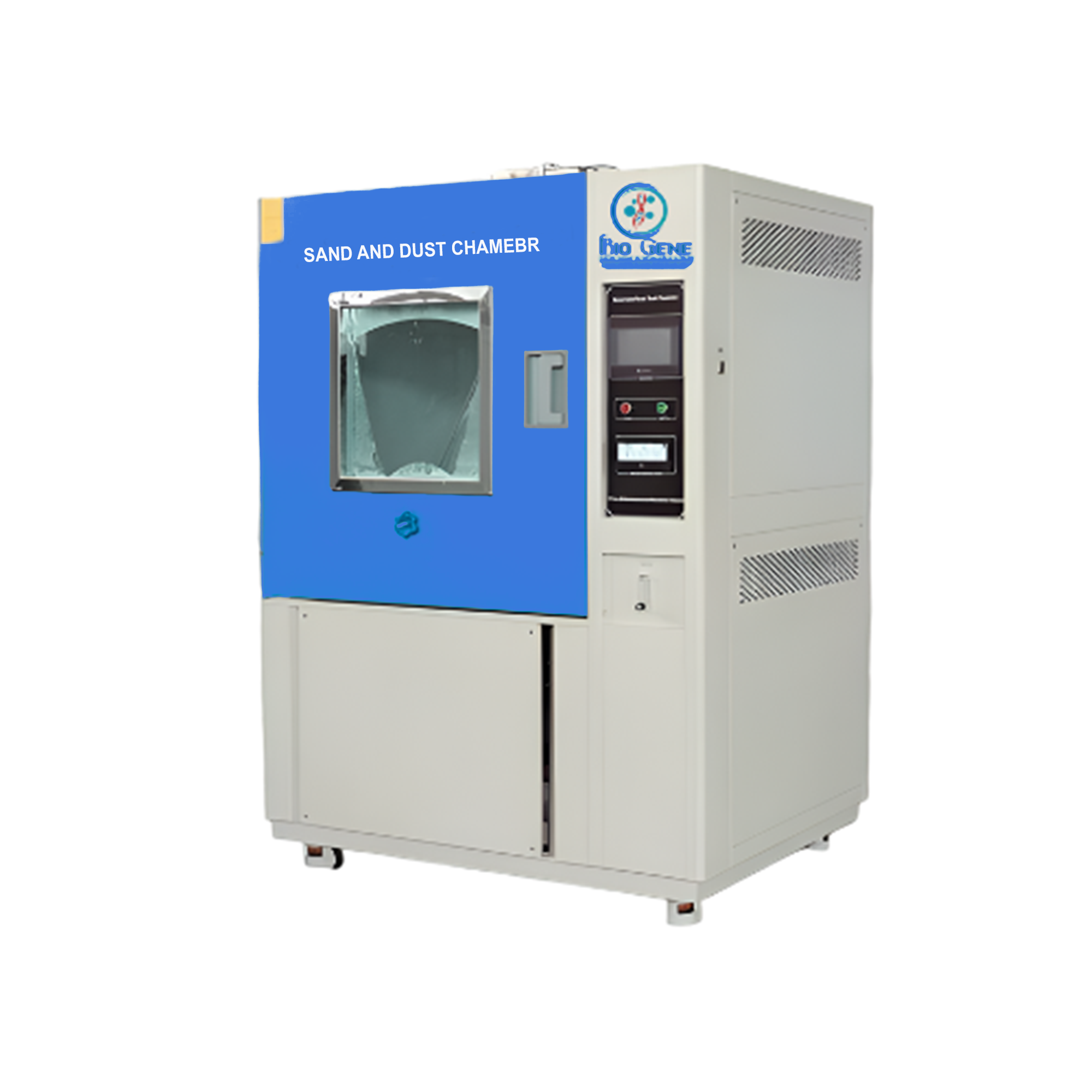
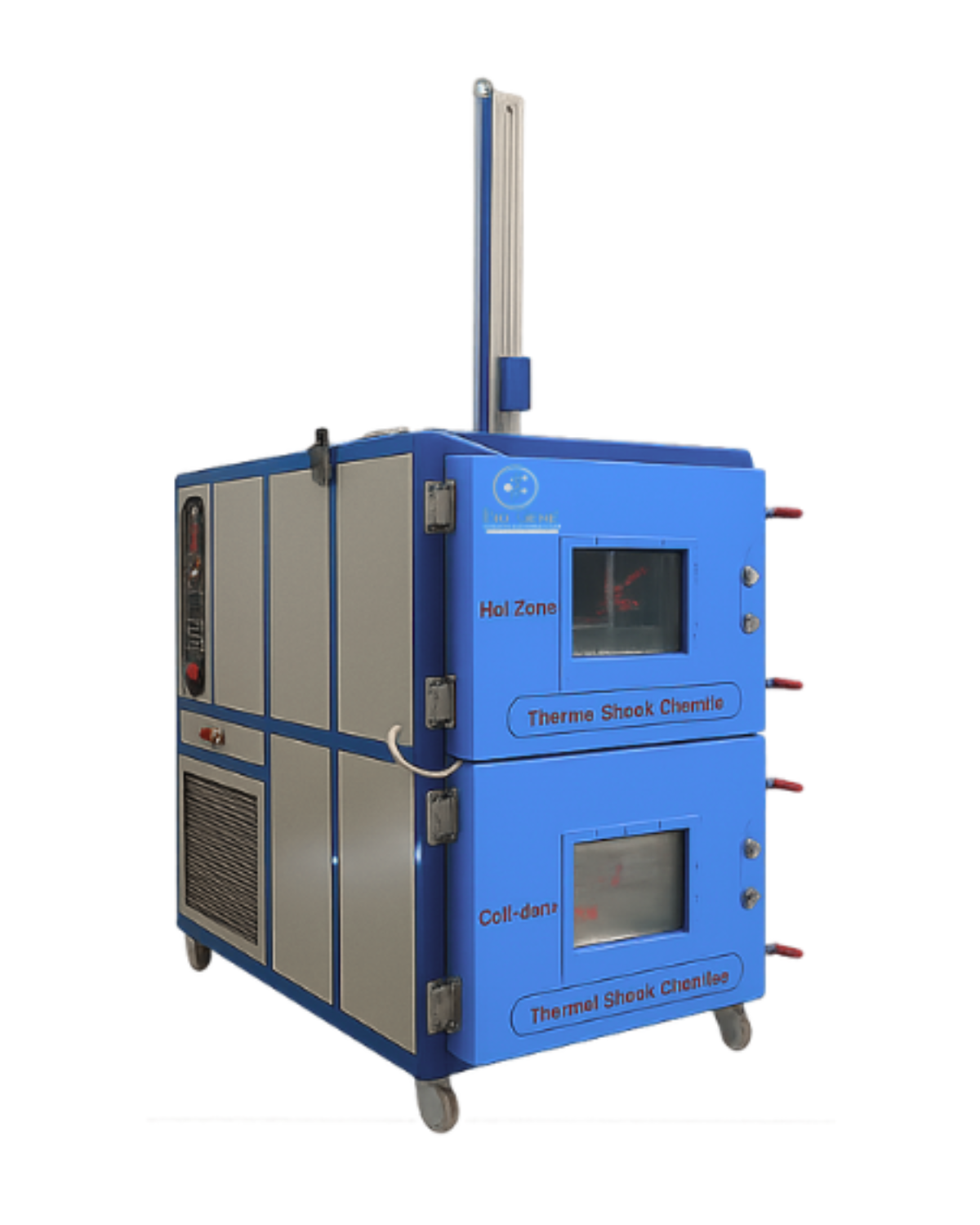
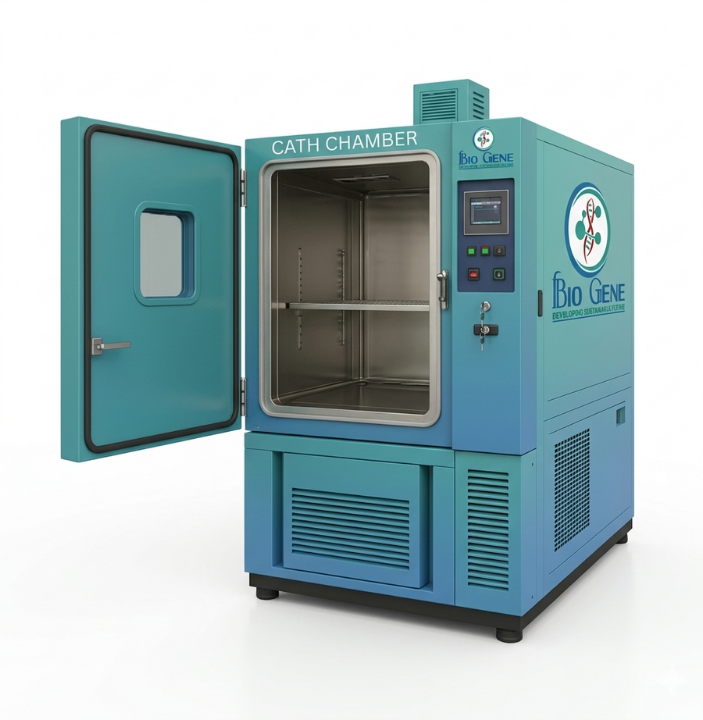
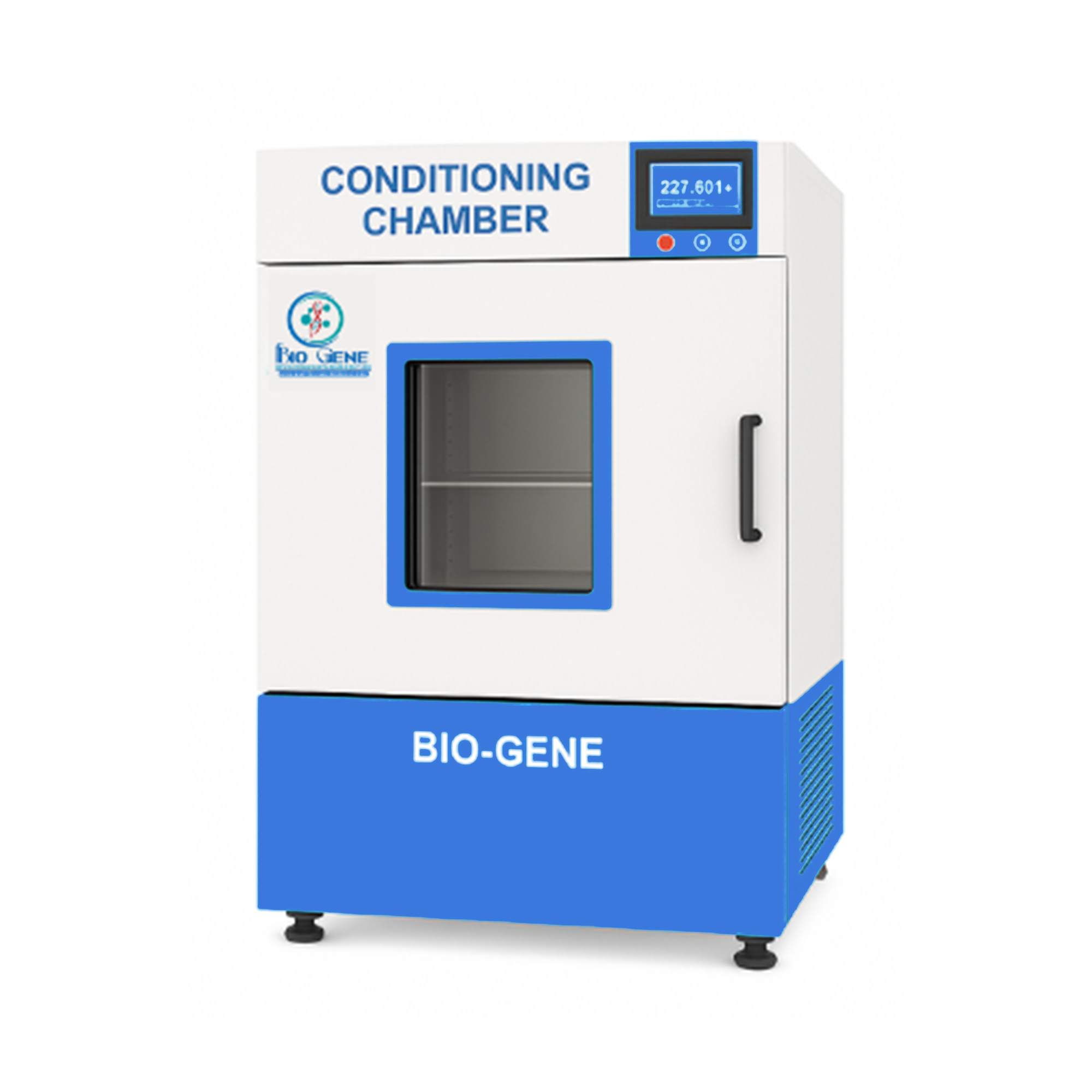
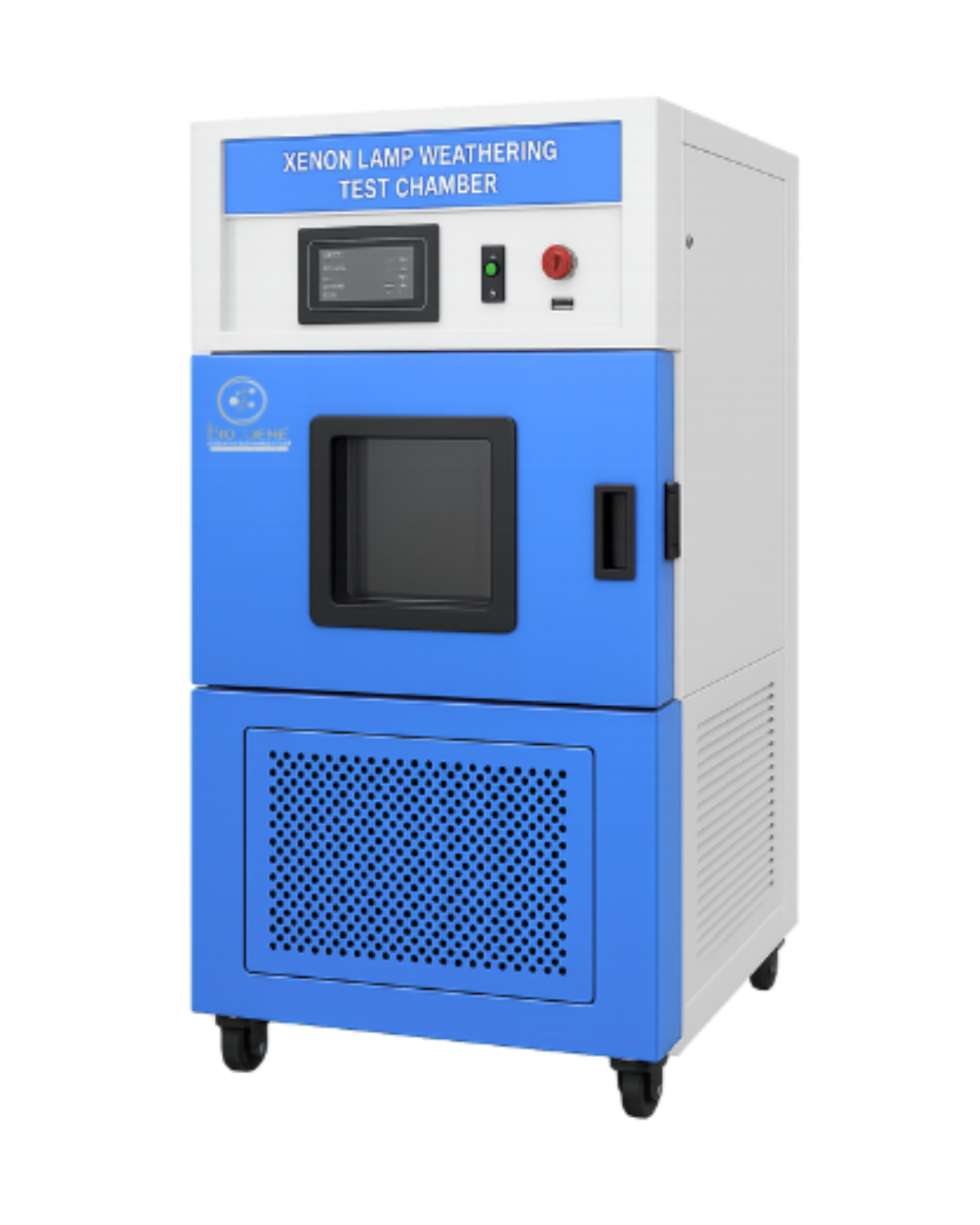
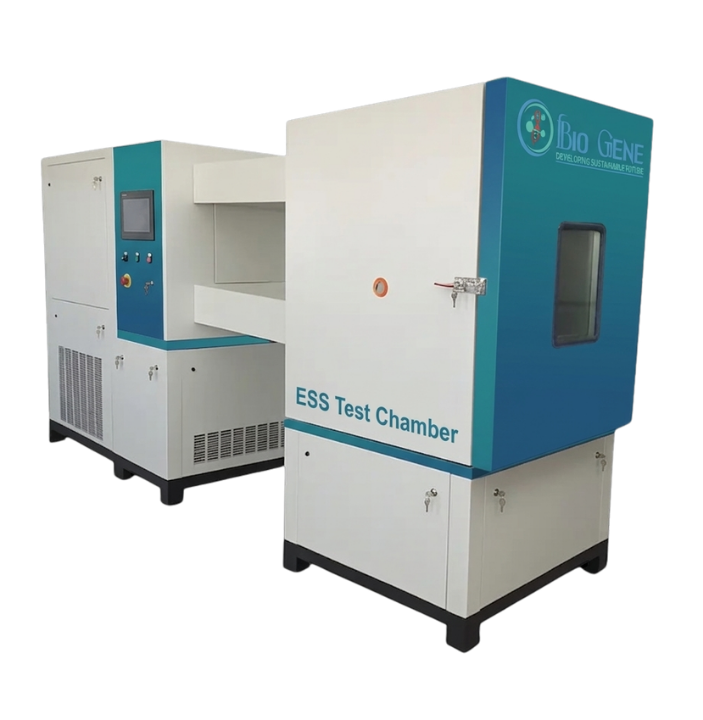
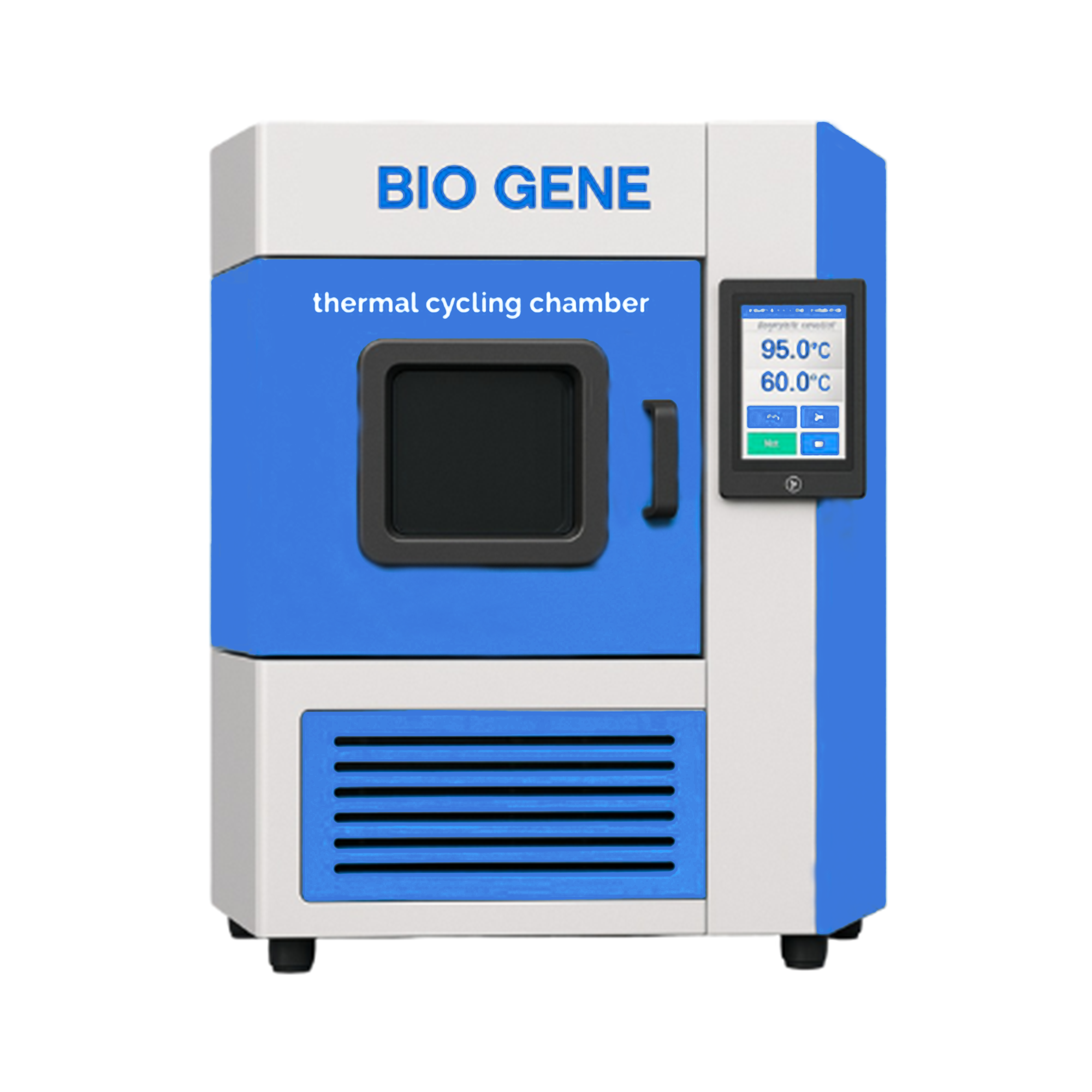
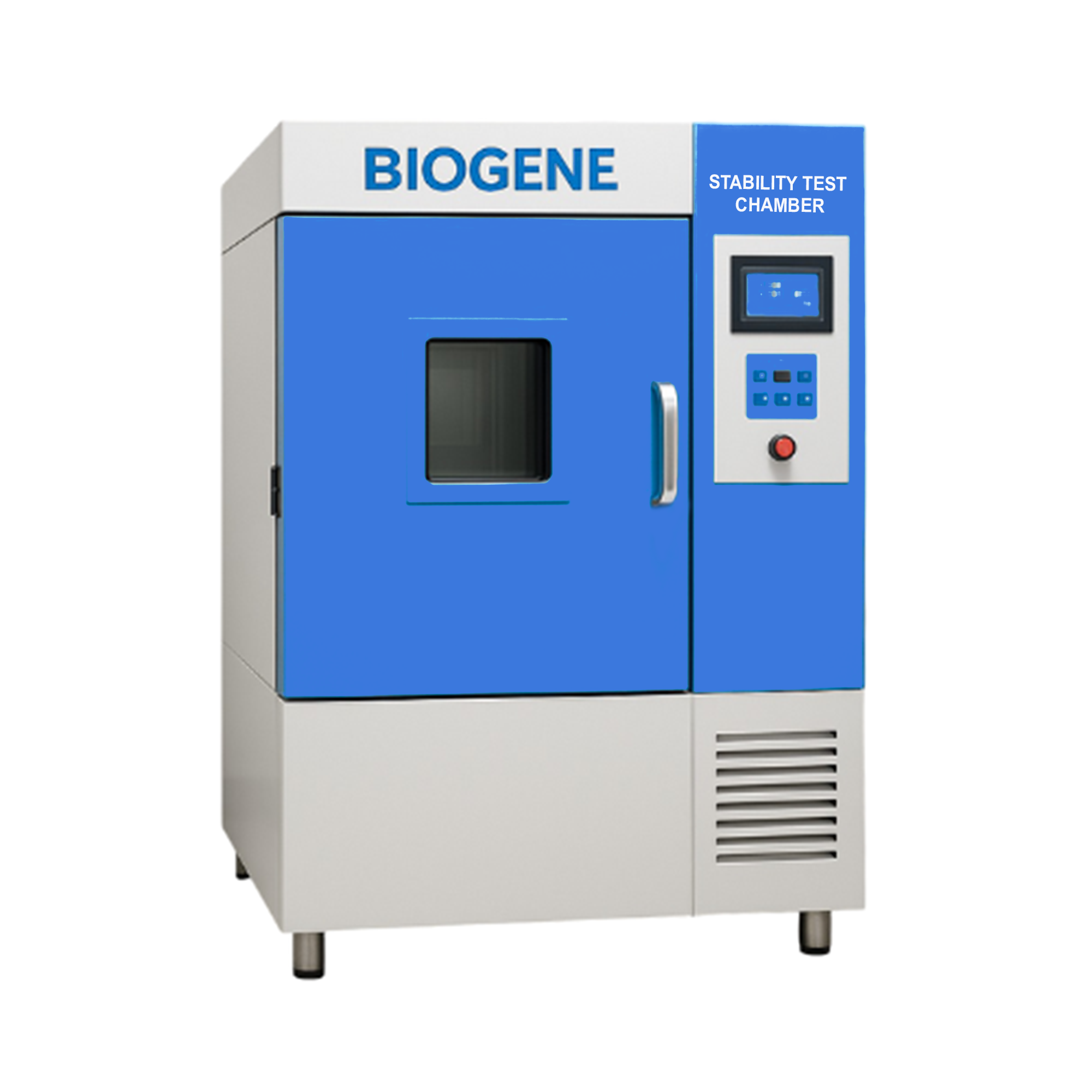
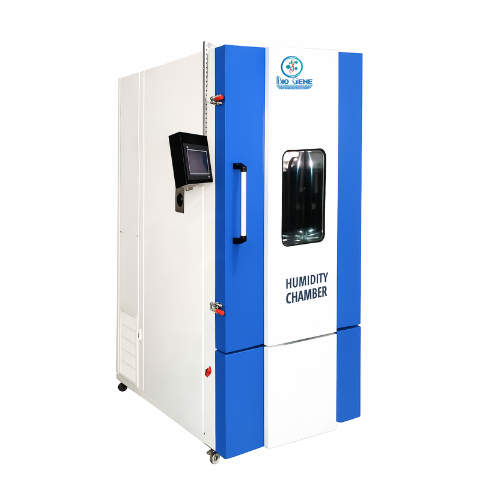
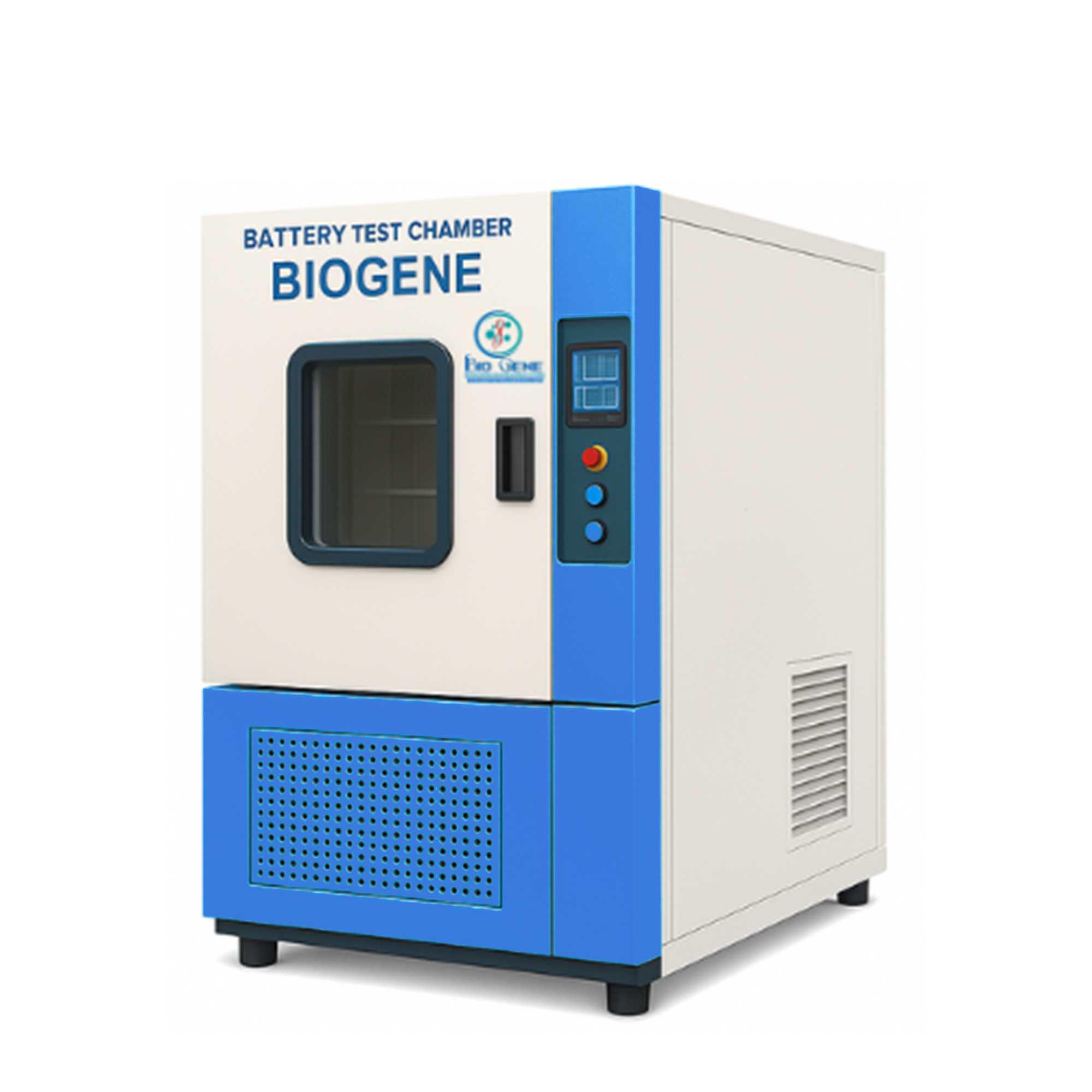
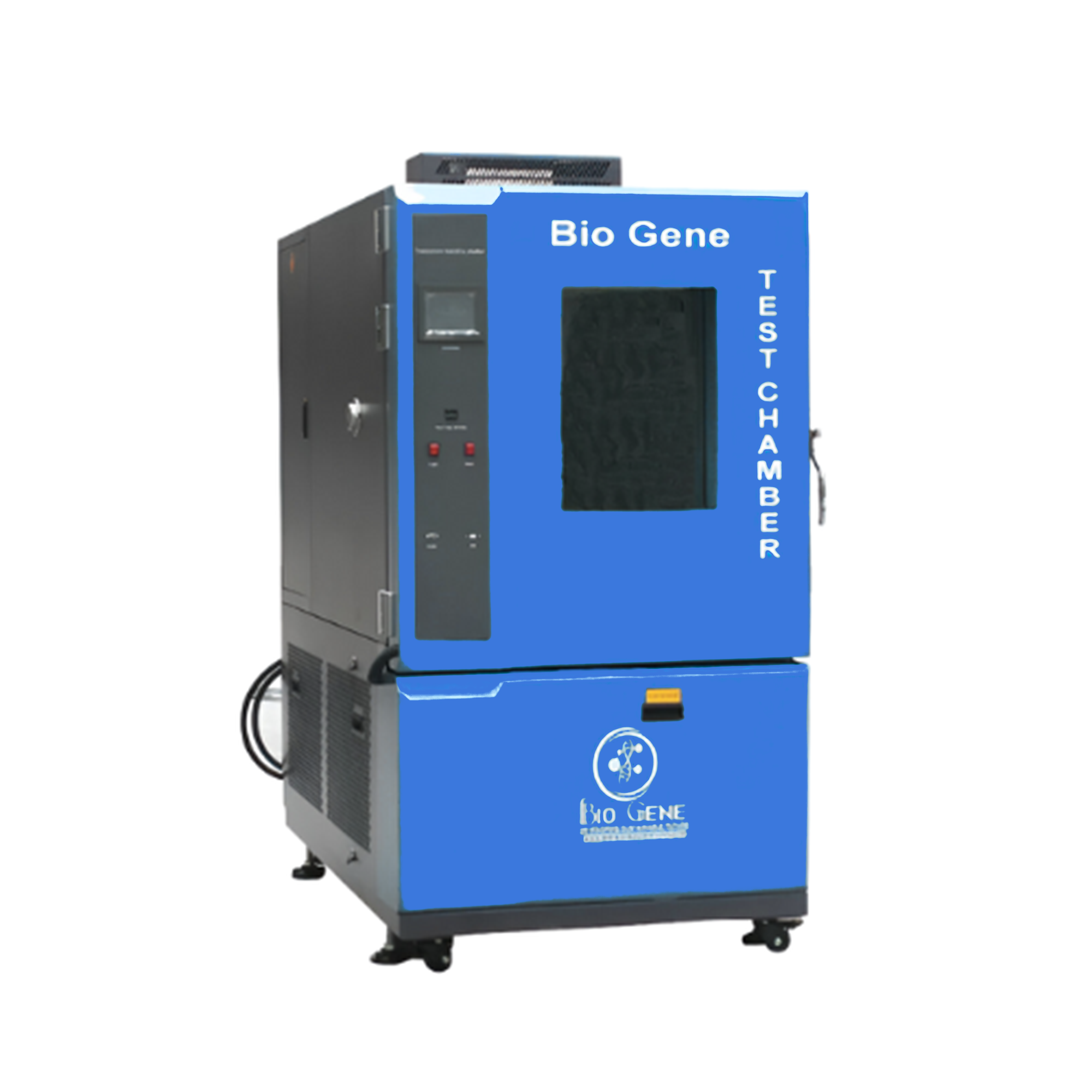
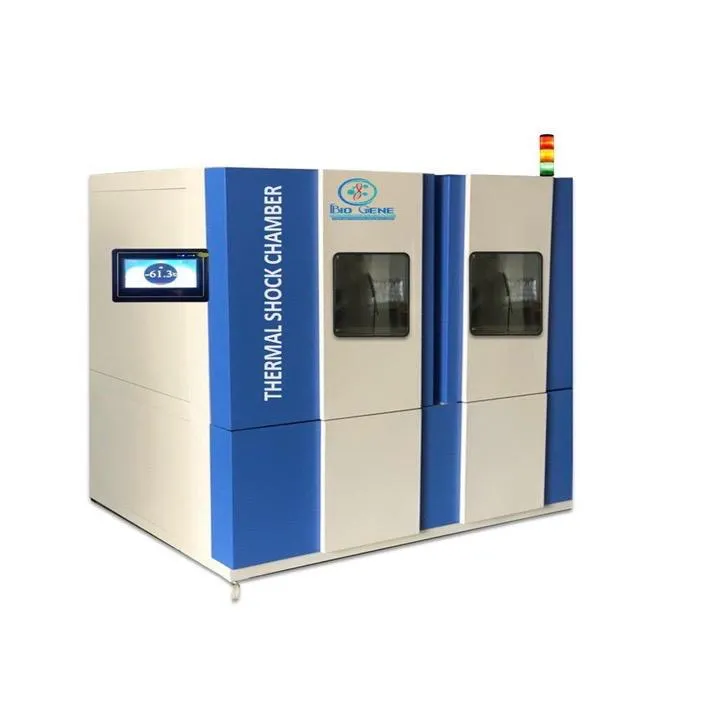
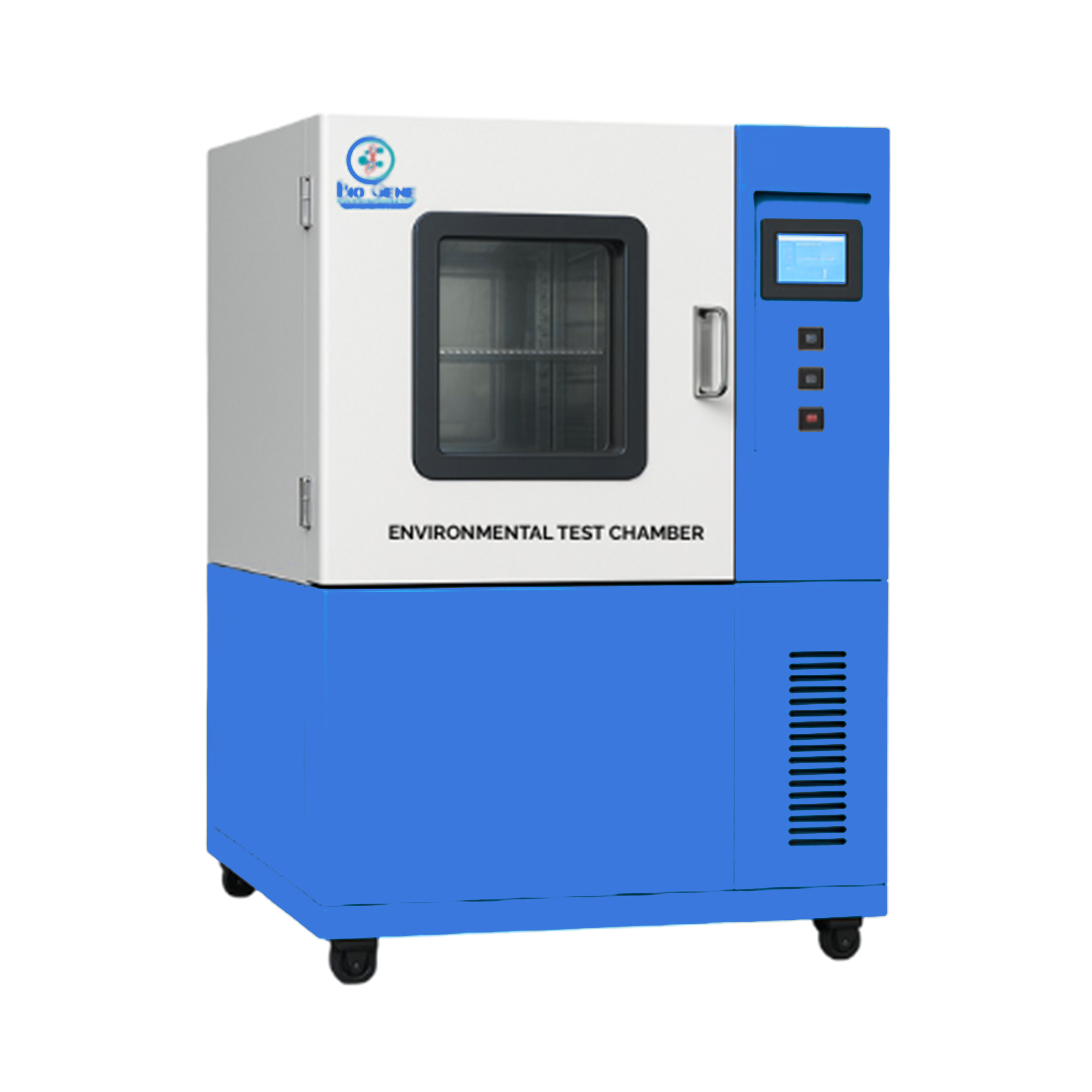
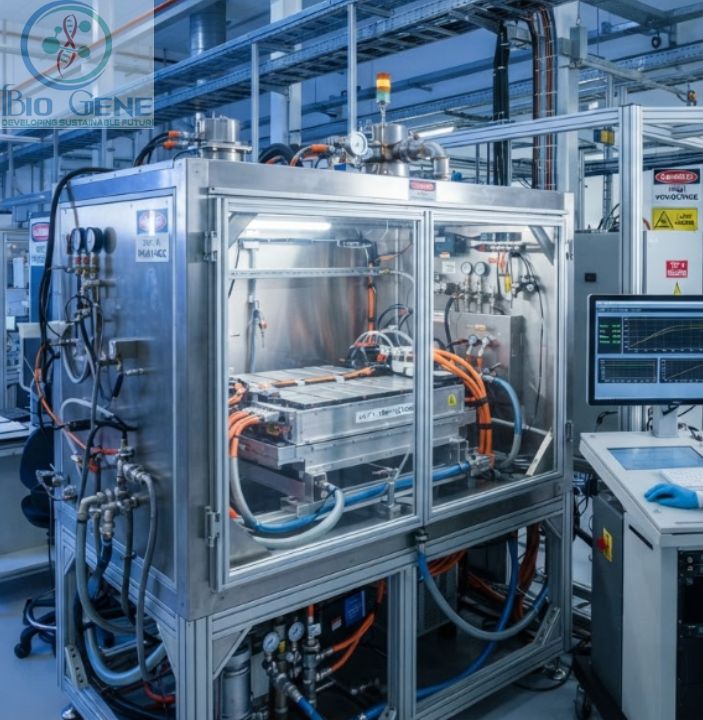
BioGene Climate Test Chambers are precision-engineered environmental systems built to simulate diverse temperature and humidity conditions for product testing and material durability assessment. Manufactured by Biotechnologies Inc., a leading Climate Test Chamber Manufacturer, Supplier, and Exporter in India, these chambers deliver stable, uniform, and repeatable test conditions across industries including automotive, electronics, aerospace, pharmaceuticals, and materials research.
Each chamber features programmable test cycles, real-time data logging, and full compliance with IEC, IS, and ASTM standards — enabling accurate evaluation of product performance under extreme and fluctuating climatic conditions.
Proudly built in India and export-ready, BioGene has earned its reputation as a trusted name in climate simulation testing, serving both R&D and quality control needs. From startups to established manufacturers, BioGene supports clients across India and worldwide with dependable, high-precision testing solutions.
Advanced PLC‑based digital control system for precise environmental management
Touchscreen user interface for easy programming and operation
Remote monitoring and control for efficient test management
SS‑304 stainless steel interior for durability and hygiene
MS powder‑coated exterior for long‑lasting structural integrity
Optimized insulation for energy efficiency and stable performance
| Code | Parameter | Symbol / Unit | Typical Range | Control Accuracy | Uniformity | Description / Major Points |
|---|---|---|---|---|---|---|
| CL-01 | Temperature Range | °C | -70 to +180 | ±0.3 °C | ±1.0 °C | Defines extreme hot and cold testing capability; influenced by refrigeration and heating power. |
| CL-02 | Temperature Ramp Rate (Heating) | °C/min | 1.0 to 10.0 | — | — | Rate of temperature rise from low to high; critical for thermal stress testing. |
| CL-03 | Temperature Ramp Rate (Cooling) | °C/min | 1.0 to 5.0 | — | — | Determines chamber’s cooling capacity; depends on compressor and refrigerant system. |
| CL-04 | Humidity Range | %RH | 10% to 98% RH | ±1.5% RH | ±2.0% RH | Controlled via steam generator or ultrasonic humidifier; used for moisture and corrosion tests. |
| CL-05 | Humidity Control Method | — | Steam / Ultrasonic / Water spray | — | — | Method of maintaining desired humidity. Steam preferred for high RH; ultrasonic for low RH. |
| CL-06 | Dew Point Control | °C | -10 to +95 | ±0.5 °C | — | Prevents condensation on test samples; precise dew point control is essential for electronics. |
| CL-07 | Temperature Cycling / Programmable Profile | Steps or cycles | User-defined | — | — | Automated cyclic test programs with soak and ramp phases; used in stress testing. |
| CL-08 | Thermal Shock (Optional) | Zones (2 or 3) | -70↔+180 °C | ±1.0 °C | ±1.5 °C | Rapid transfer between hot and cold chambers; evaluates thermal fatigue. |
| CL-09 | Altitude Simulation (Optional) | hPa / m | 1000 to 100 | ±5 hPa | ±10 hPa | Simulates reduced pressure for aerospace or transport tests. |
| CL-10 | Solar / Light Simulation (Optional) | W/m² | 0–1200 | ±2% | ±5% | Simulates UV and IR radiation; used for material aging and color stability tests. |
| CL-11 | Condensation Recovery Time | min | 5–20 | — | — | Time to stabilize humidity after condensation; affects humidity recovery speed. |
| CL-12 | Airflow Velocity | m/s | 0.3–1.0 | ±0.05 | ±0.1 | Ensures uniform temperature and humidity distribution; adjustable by fan speed. |
| CL-13 | Test Volume Temperature Deviation | °C | — | ±1.0 | ±1.5 | Difference between setpoint and measured average; ensures sample uniformity. |
| CL-14 | Ambient Temperature Influence | °C | — | ±0.1 per 10 °C | — | Defines chamber performance stability under varying ambient conditions. |
| CL-15 | Data Recording / Interface | — | USB / Ethernet / RS-485 | — | — | Allows real-time climate data monitoring, logging, and remote control. |
 Related Products