Altitude Test Chambers for High-Altitude Simulation

Bio Gene – Leading Manufacturer, Supplier and Exporter of Altitude Test Chambers in India

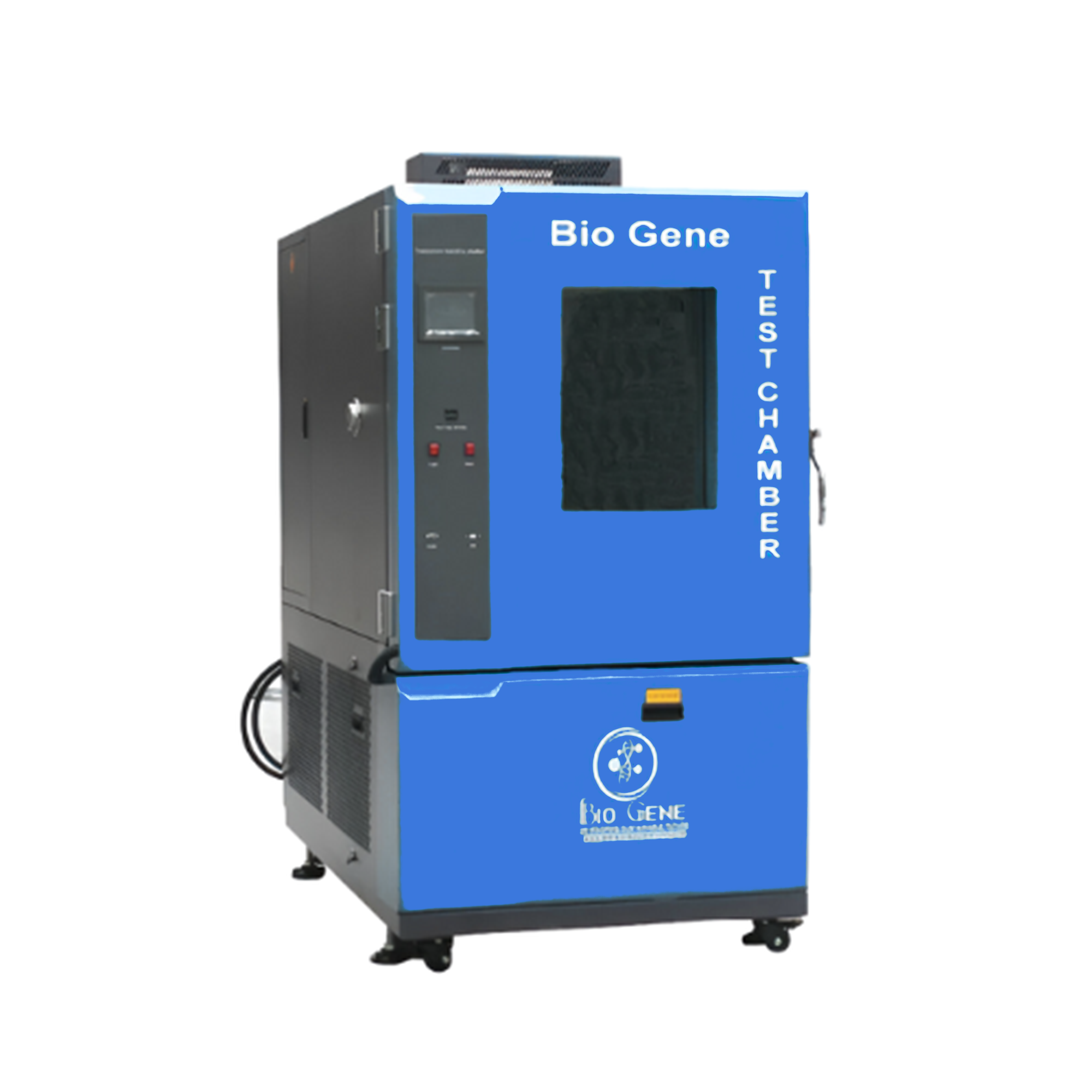
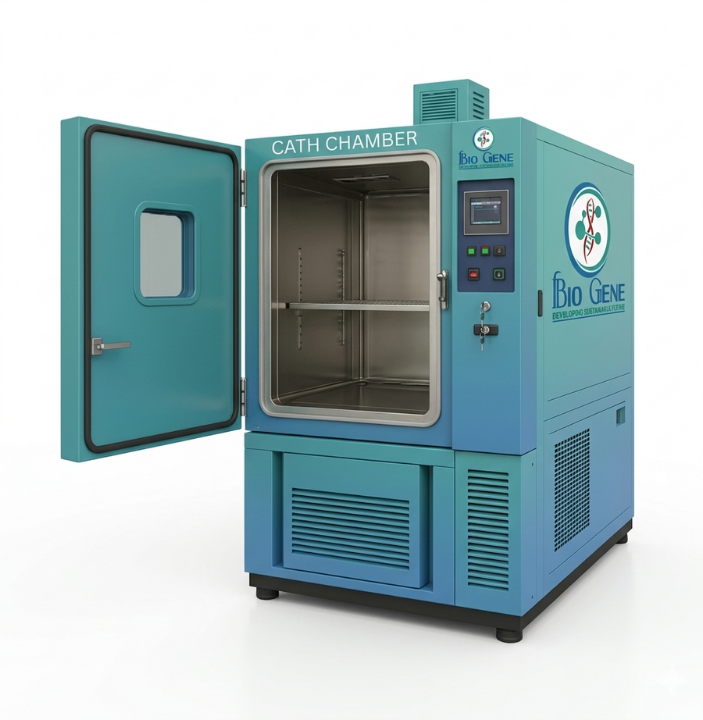
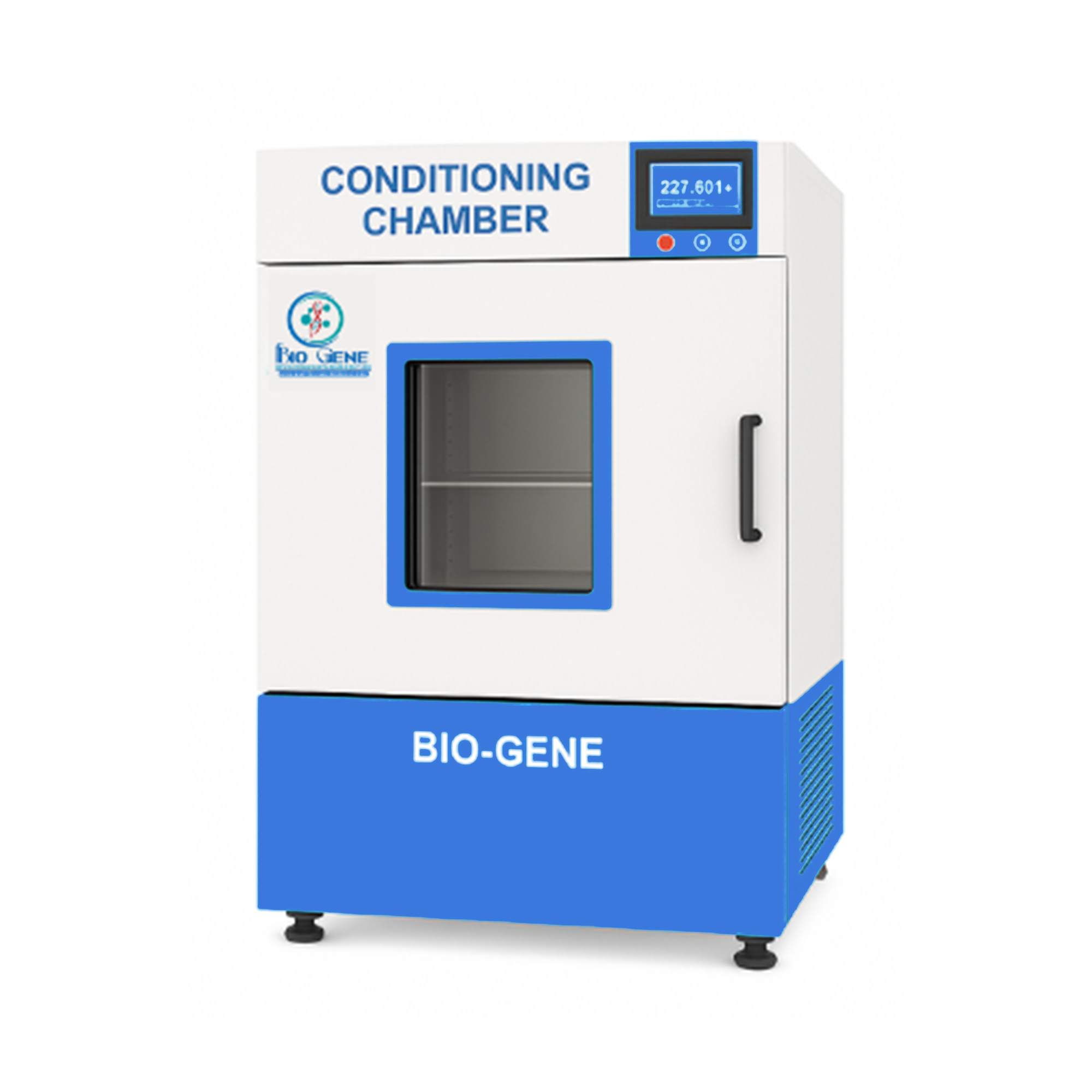
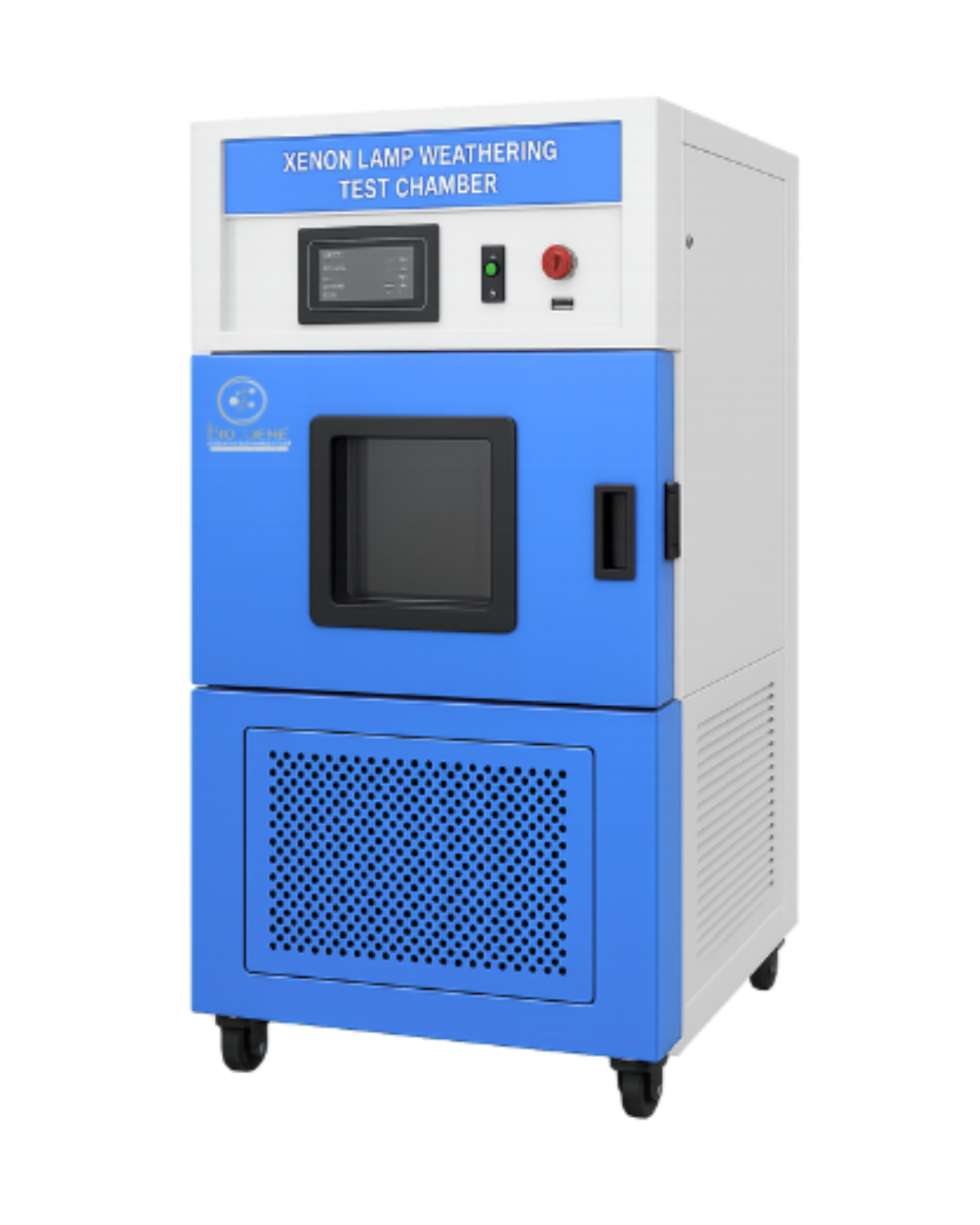
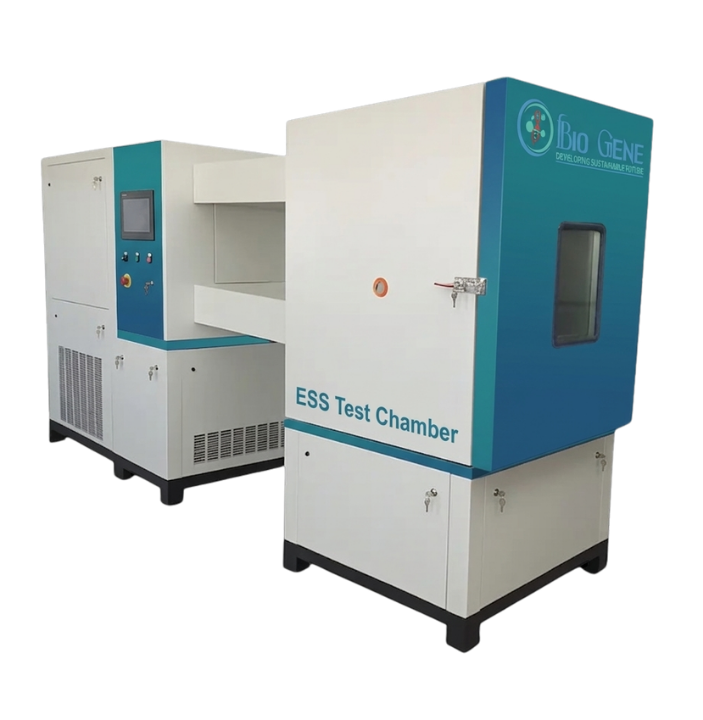
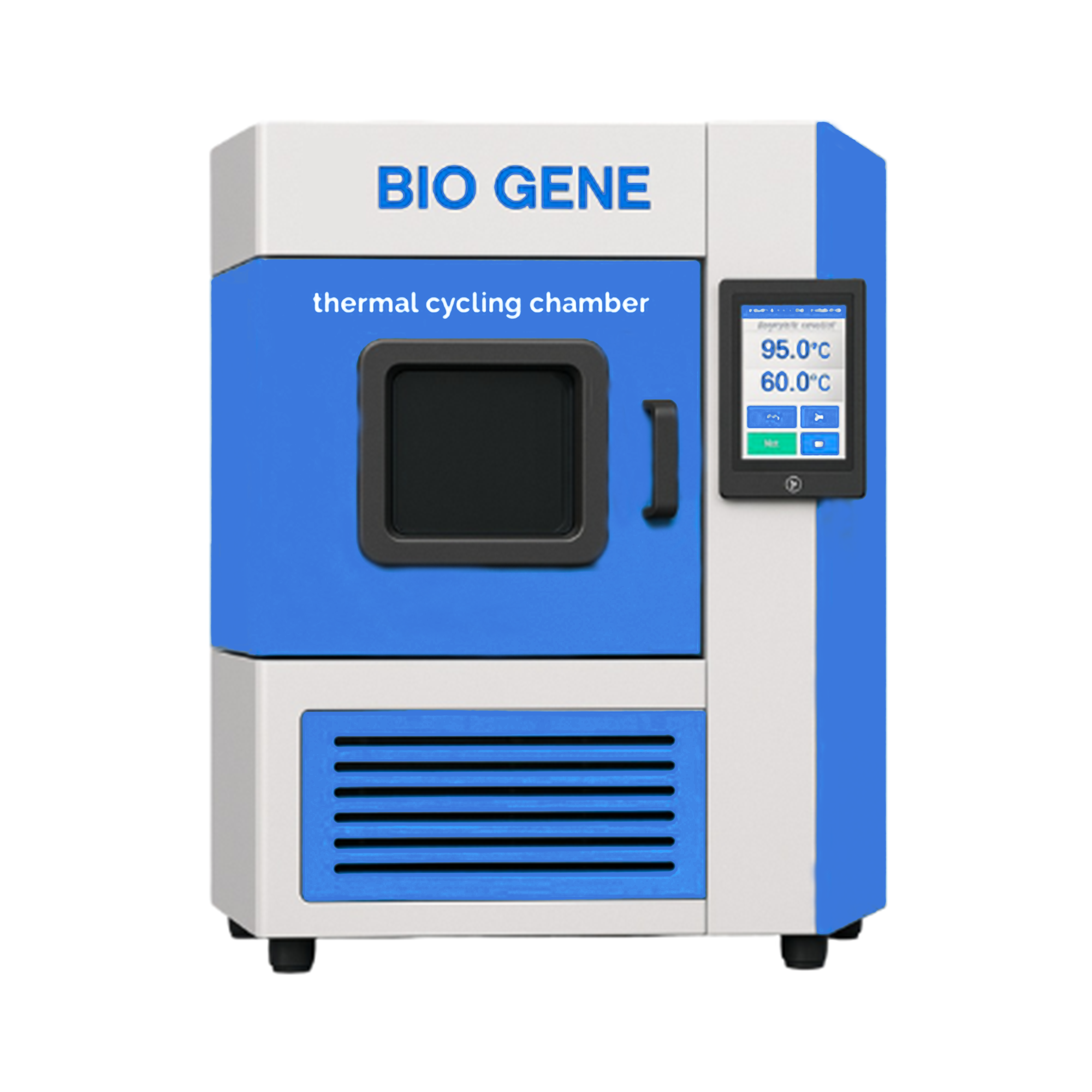
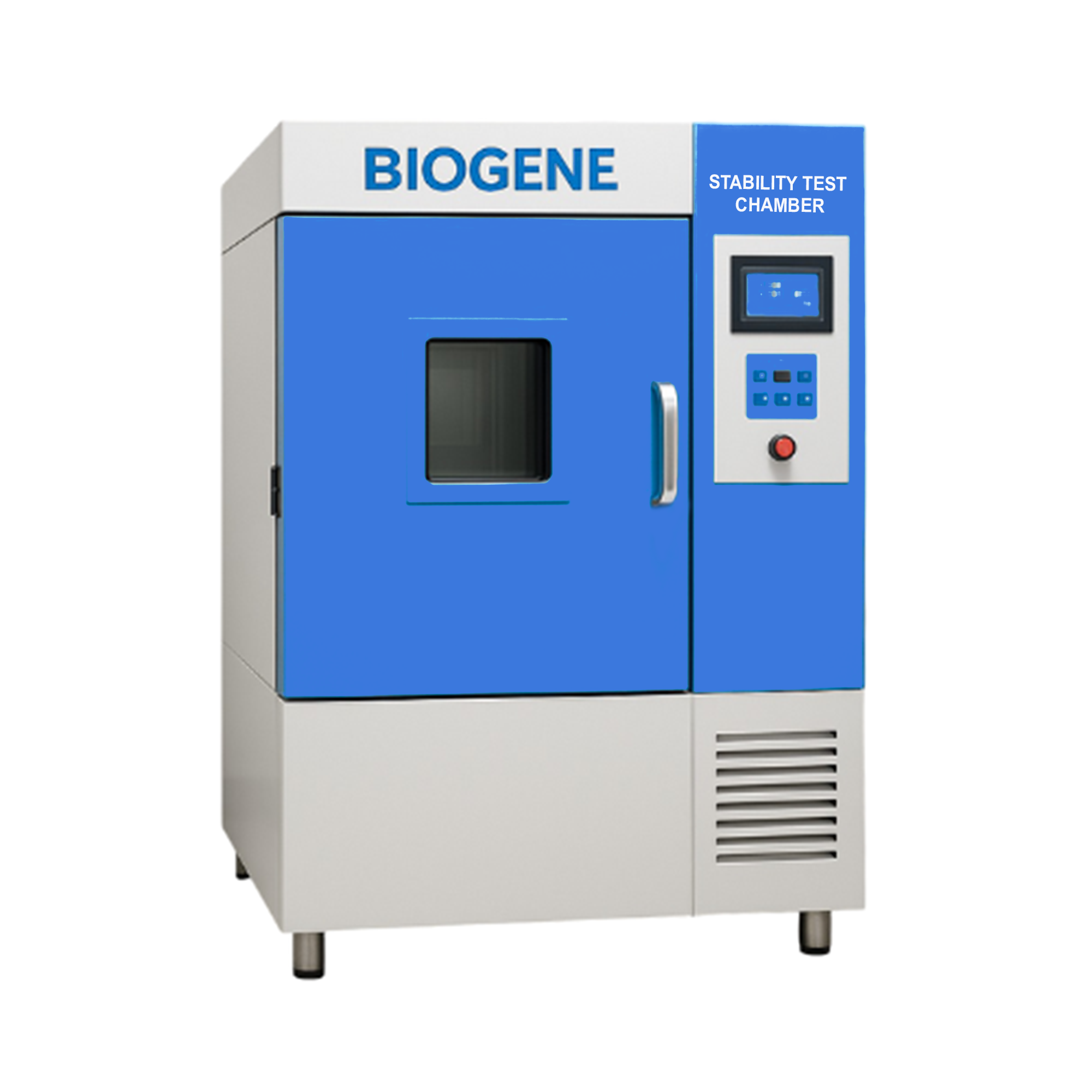
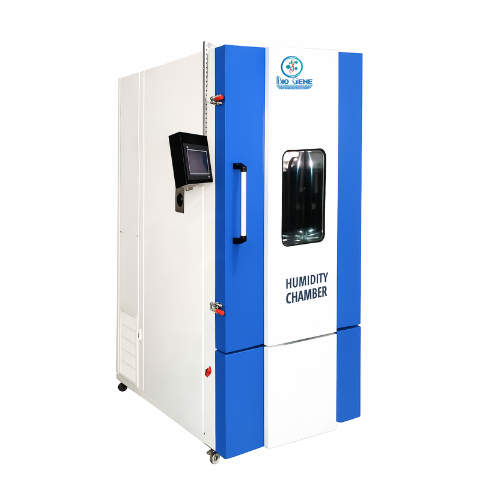
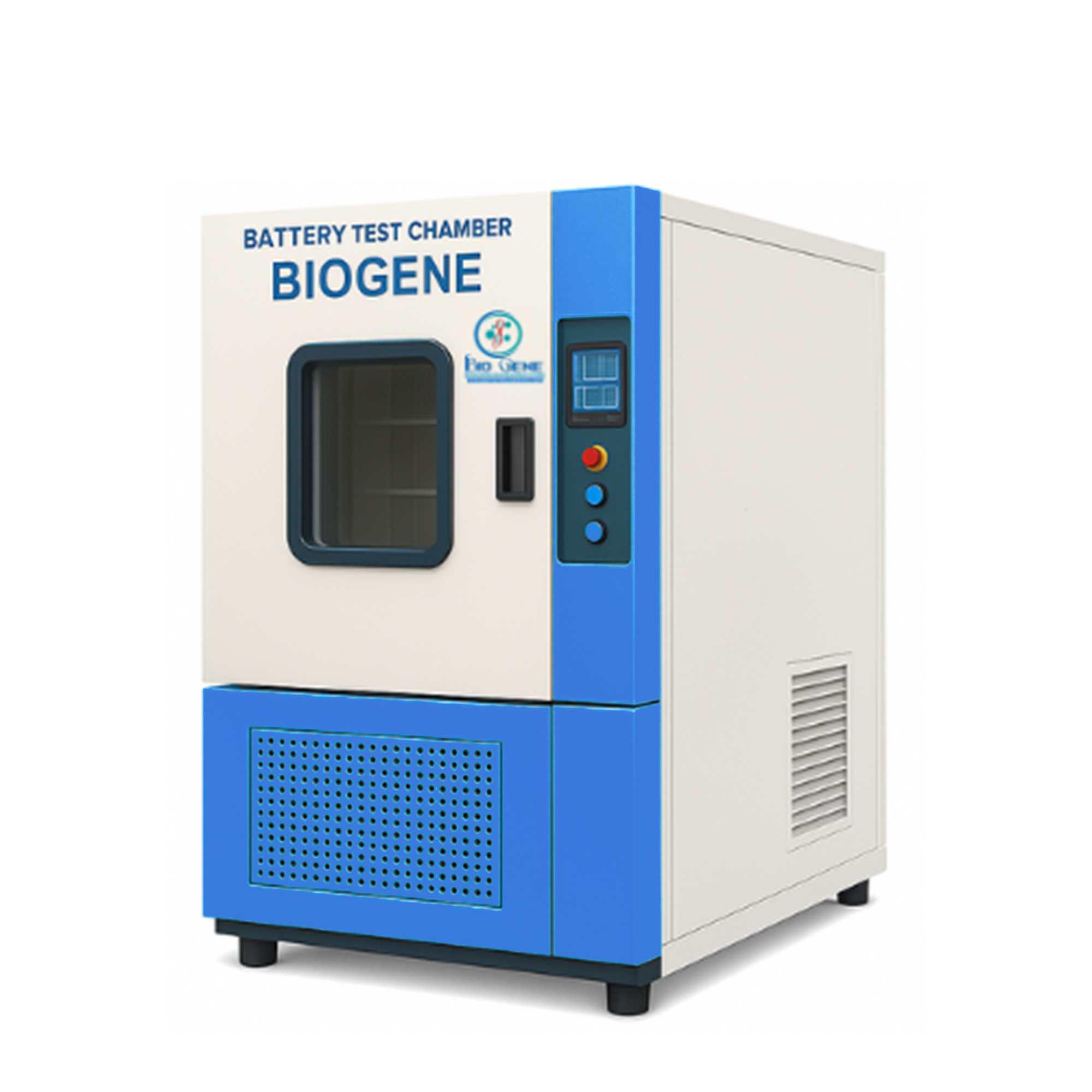
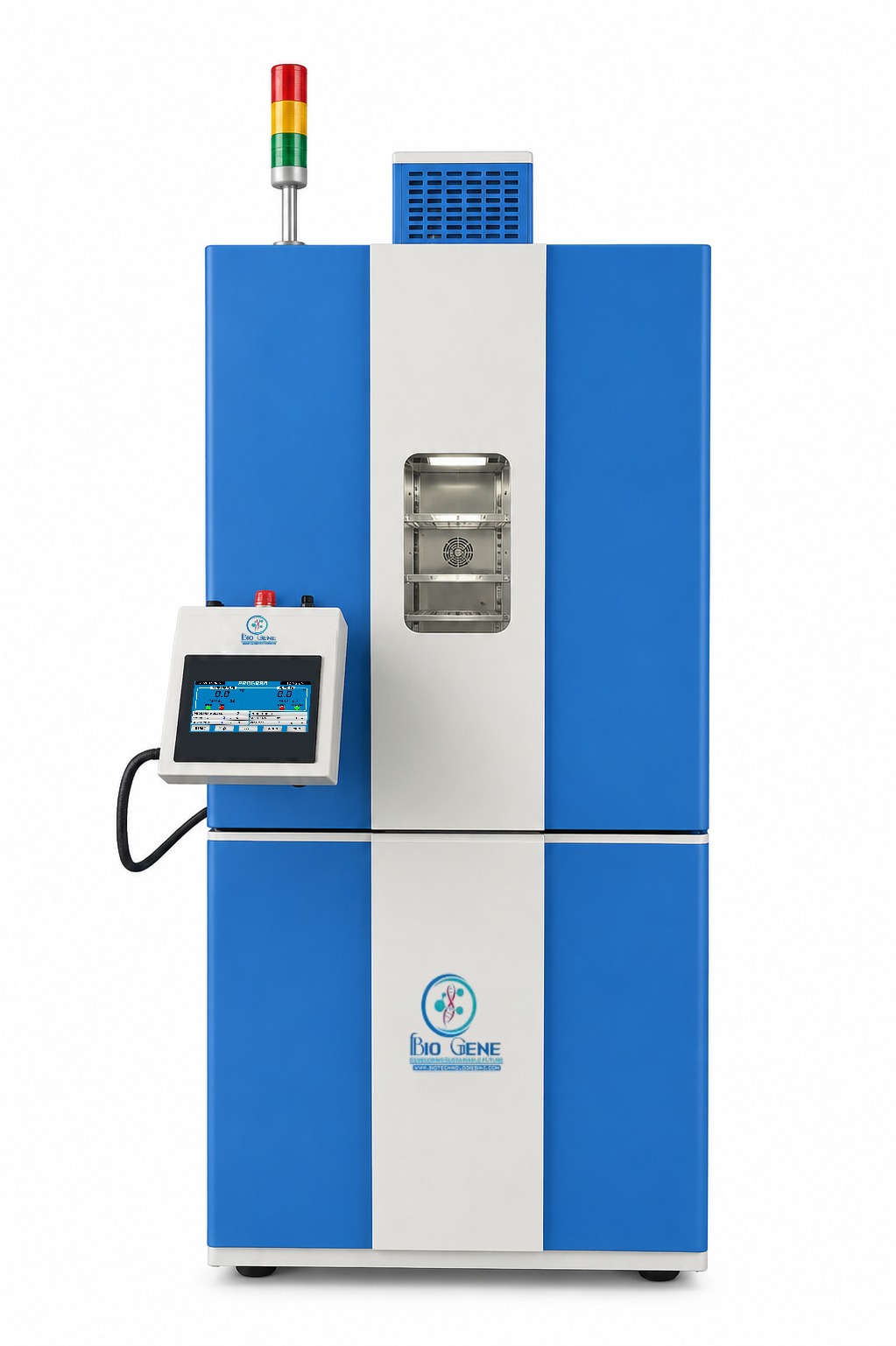
Reach-In Altitude Test Chambers are precision-engineered systems designed to simulate high-altitude and low-pressure environments for advanced aerospace, defence, and electronics testing. Manufactured by Biotechnologies Inc., these chambers replicate conditions up to 100,000 feet or more, with controlled temperature and humidity variations. Ideal for testing avionics, batteries, circuit boards, and automotive components, BioGene Altitude Chambers comply with MIL-STD, IEC, and IS protocols. Built in India with global export standards, these compact reach-in chambers are space-efficient, programmable, and trusted by R&D and quality labs worldwide for altitude qualification testing.

Whether testing aircraft components, military equipment, or high?performance automotive parts, BioGene provides customizable altitude simulation solutions that meet global aerospace and defense requirements.

Applications

  • Aerospace component validation under high‑altitude conditions
  • Defense equipment testing for reliability in extreme environments
  • Automotive system evaluation at low‑pressure conditions
  • Research & development for advanced material performance

Feature

  • Brushed 304 series stainless steel liner, heliarc welded and dye checked
  • Welded external or internal pressure member construction
  • Fiberglass insulation, 0.25k factor
  • Welded steel frame with removable access panels to service components
  • Full opening chamber door with heavy duty wheel latch
  • Heavy duty horizontal glide door hinges
  • Durable blue enamel finishes (custom colors available)
  • Heavy duty vacuum pump with gas ballast
  • Oil mist eliminator
  • Temperature ranges:
  • -100°F/-73°C to 356°F/180°C
  • Altitude Chamber range:
  • Site level to 100,000 ft (30,500 m). Extended ranges available
  • Humidity range:
  • 10% to 95% RH within the bounds of a +185°F/85°C maximum dry bulb and a 40°F/4°C min. dewpoint
  • Can be equipped with battery testing safety features according to EUCAR hazard safety level

Control

  • Altitude
  • Temperature
  • Temperature and altitude (temperature controllable to 65,000 ft./20,000m)
  • Temperature and humidity at site level
  • Temperature, altitude, and vibration
  • Advanced PLC‑based digital control system
  • User‑friendly touchscreen interface
  • Remote monitoring and test scheduling

Construction

  • SS‑304 stainless steel inner chamber for durability

  • MS powder‑coated outer body for long service life

  • Optimized insulation for stable pressure and temperature control
Altitude Chamber - Technical Specification
Model BTI-RIC-18 BTI-RIC-37 BTI-RIC-55
Test Space Volume
(Cu. Ft./Liters)
18/510 37/1048 55/1557
Temperature Range +180°C to -70°C (+356°F to -94°F)
Pressure Recovery Time Less than 30 min
Pressure Maintenance ≥ 10 hours
High Tension Terminal 4 pieces, Max. DC 500A, 1000V
Low Tension Terminal 4 pieces, Max. DC 500A, 1000V
Data Cable Interface 2 groups, DB9 line
Observe Window YES
Auto Door Adopt hydraulic automatic open design
Inner Material SS304
External Material SS304
Altitude Range Up to 100,000 ft (30.48 km) Up to 100,000 ft (30.48 km) Up to 100,000 ft (30.48 km)
Humidity Range 10% to 98%

An altitude test chamber simulates high-altitude and low-pressure conditions found in aviation, aerospace, and space environments. It allows manufacturers to test how electronic components, aircraft parts, batteries, and other equipment perform under reduced atmospheric pressure, helping ensure products remain safe and functional at extreme altitudes before they are deployed in real-world conditions.

Most altitude test chambers can replicate conditions ranging from ground level up to 100,000 feet or more, depending on the model and specifications. This corresponds to a vacuum pressure that can go as low as a few torr. Many chambers also allow precise control over the rate of ascent and descent, so testing can mimic real flight profiles rather than just a fixed altitude point.

Yes, many advanced altitude chambers are combined with temperature and humidity control systems, allowing simultaneous testing of multiple environmental stress factors. This is especially useful for aerospace and defense applications, where a component may need to withstand extreme cold, heat, and pressure changes all at once during actual operation.

Test duration depends on the specific standard being followed and the nature of the product being tested. Some tests are quick, taking only a few minutes to check performance at a specific altitude, while others follow extended profiles that simulate a full flight cycle over several hours. Certification testing under standards such as RTCA DO-160 or MIL-STD-810 may require multiple test cycles across different conditions.

Yes, operators should be trained not only on the equipment's control interface but also on safety protocols related to vacuum systems, since improper handling can pose risks to both the equipment and personnel. Most manufacturers provide operational training as part of the chamber installation and commissioning process, along with detailed manuals covering routine maintenance and calibration procedures.
×