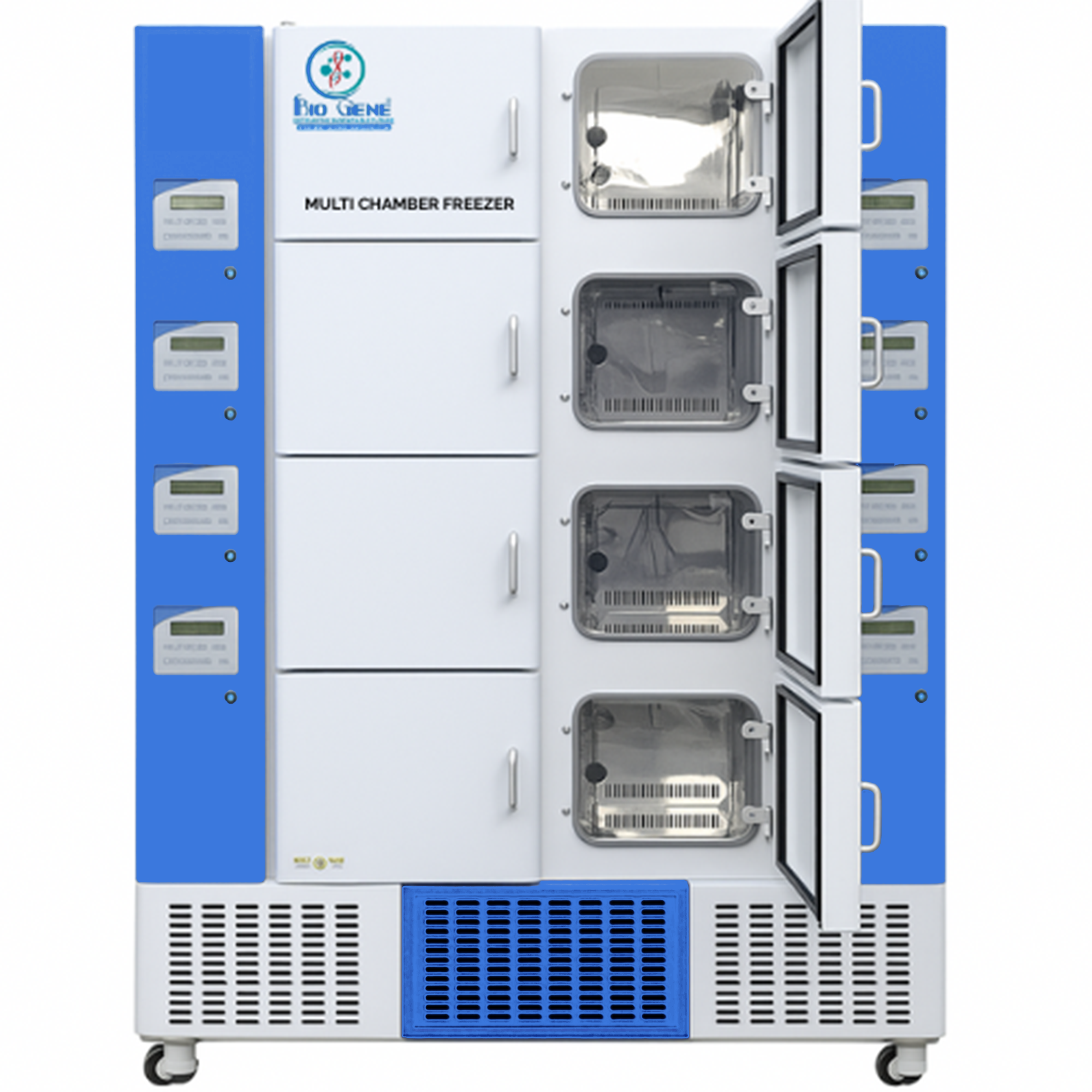
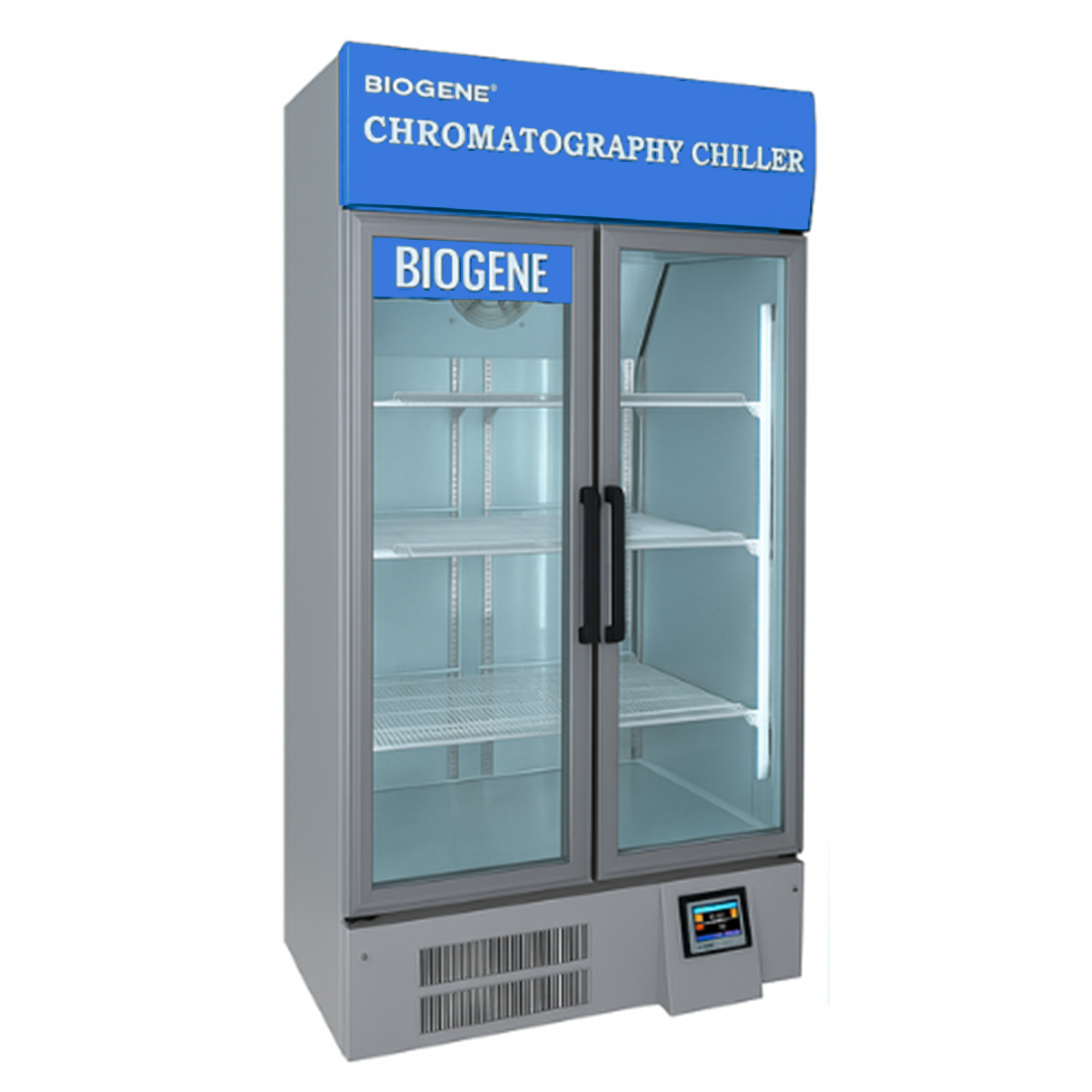
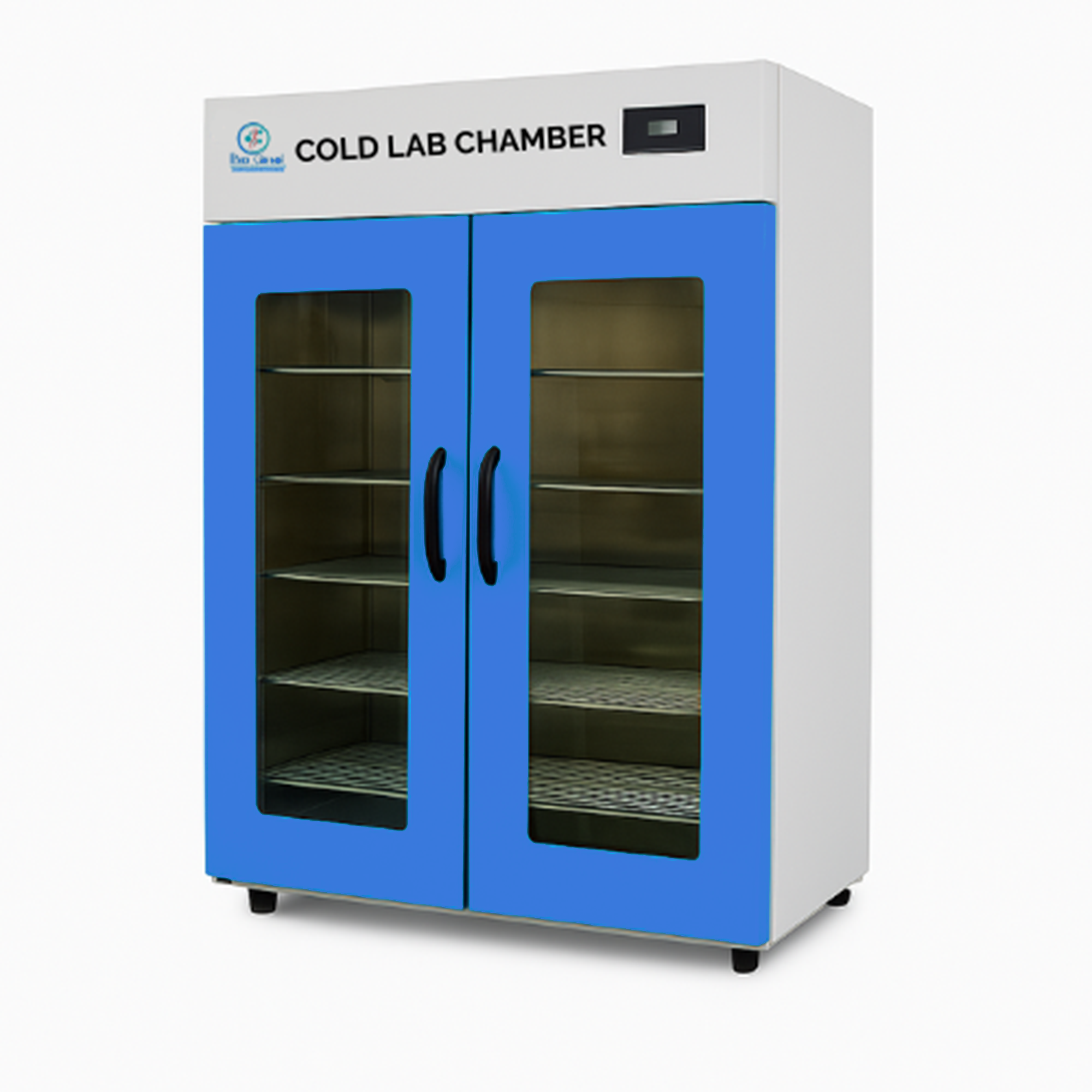
Laboratory Refrigerator Manufacturer & Exporter in India

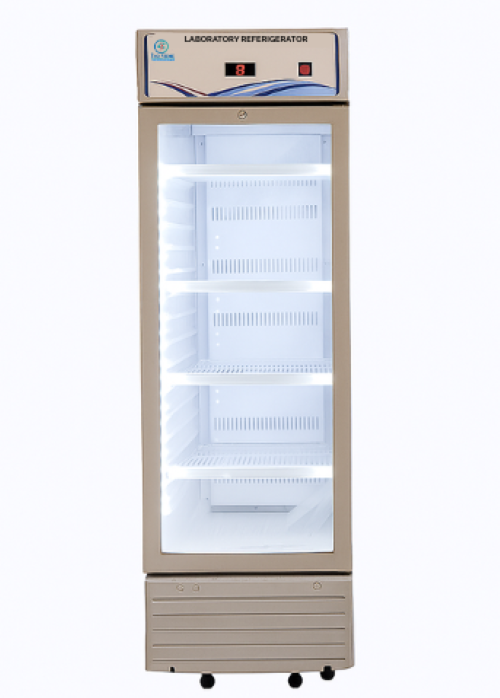
BioGene Laboratory Refrigerators are engineered to deliver stable, precise, and reliable cooling environments for research, medical, and industrial applications. As a leading Laboratory Refrigerator Manufacturer, Supplier & Exporter in India, BioGene designs these refrigerators with advanced digital control, uniform air circulation, and robust insulation, ensuring the safe storage of sensitive biological samples, reagents, vaccines, pharmaceuticals, and chemicals.
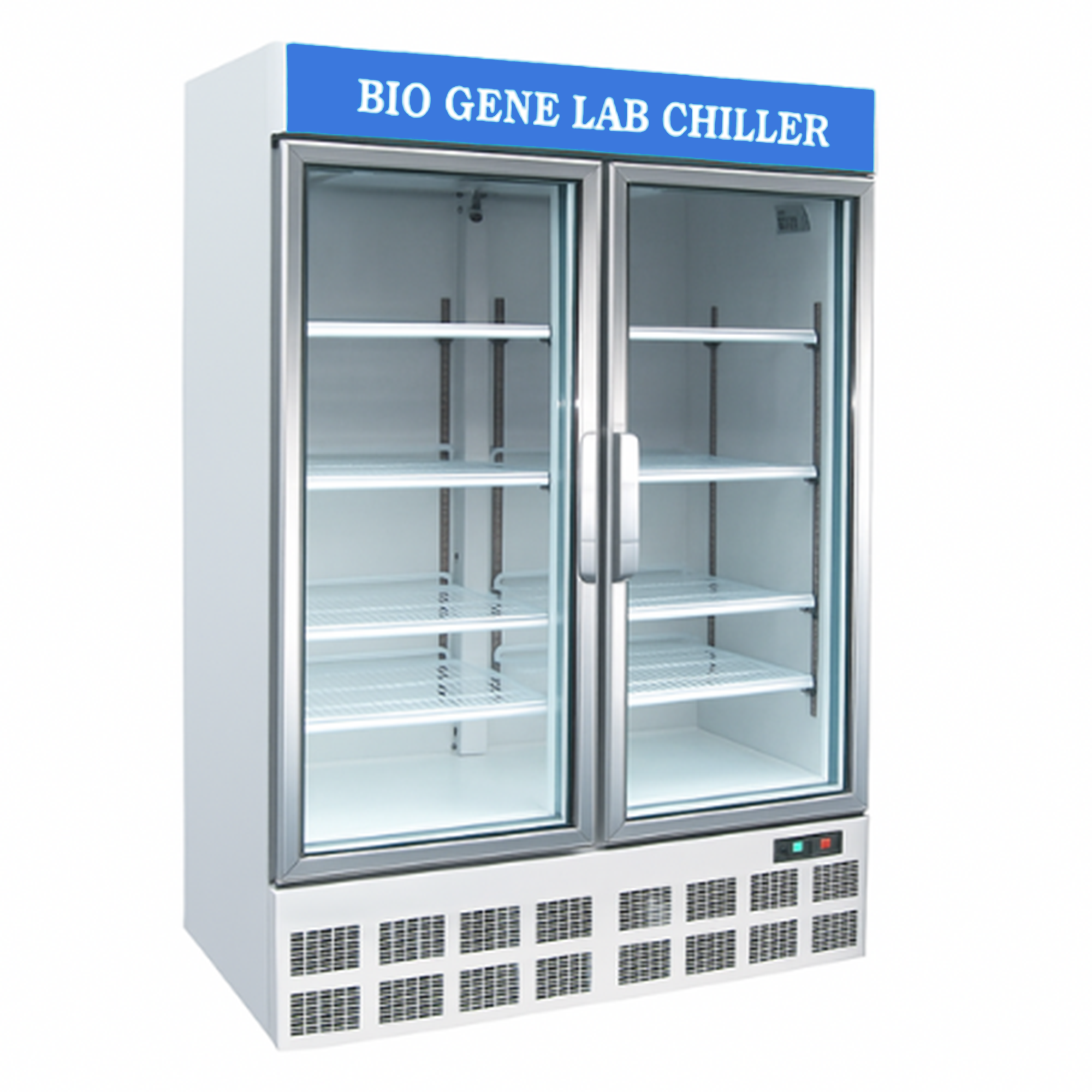
Our Laboratory Refrigerator (Glass Door) models are available in various capacities and temperature ranges, offering flexibility for hospitals, R&D labs, biotechnology facilities, and pharmaceutical industries. Built with Polymer/Plastic interiors, powder-coated exteriors, and eco-friendly refrigeration systems, they provide consistent performance while maintaining energy efficiency.
With features like digital temperature display, programmable alarms, data logging, and GMP/ISO compliance, BioGene refrigerators meet global quality standards. As a trusted Laboratory Refrigerator Manufacturer, Supplier & Exporter in India, BioGene serves as a dependable partner — whether for vaccine storage in healthcare, chemical preservation in research, or sample protection in pharma, backed by reliable service across India and worldwide.

Applications

  • Storage of vaccines, drugs, and biological samples
  • Preservation of enzymes, reagents, and chemicals
  • Use in pharmaceutical & biotechnology industries
  • Hospitals, clinics, and blood banks
  • R&D laboratories and universities
  • Food & beverage testing facilities

Feature

• Wide temperature range: +2°C to +10°C
• Microprocessor-based temperature controller.
• Digital display with calibration options
• Audible & visual alarms for temperature fluctuations
• Energy-efficient refrigeration system
• Adjustable shelves for flexible storage
• Castor wheels for easy mobility
• Eco-friendly refrigerants (CFC-free)

Control System

  • Digital microprocessor-based PID controller

  • High/low temperature alarm system

  • Automatic defrost cycle

  • Battery backup for temperature display (optional)

  • RS-485 / USB data logging (optional)

Construction

  • Interior: Inner chamber: Polymer/Plastic

  • Exterior: Outer body: Powder-coated GI / Stainless steel

  • Double-walled PUF insulation

  • Lockable glass door or solid door options

  • Heavy-duty compressor with condenser fan

  • Internal LED lighting for visibility

Specifications

Parameter Specification
Temperature Range +2°C to +10°C
Chamber Volume 200 L, 300 L, 320 L, 400 L, Custom
Inner Material Plastic / Polymer
Outer Material Powder-coated GI / SS
Insulation High-density PUF
Controller Digital PID with display
Alarm System High/low temperature alarms
Shelves Adjustable stainless steel / Toughened Glass trays
Power Supply 220V AC, 50Hz
Standards Supported WHO, GMP, ISO, CE

Laboratory refrigerators are specifically engineered to maintain precise, consistent temperatures (typically between 2°C and 8°C) regardless of ambient conditions or frequent door openings, which is critical for storing reagents, samples, vaccines, and other temperature-sensitive materials. Unlike household units, they feature explosion-proof interiors where needed, more accurate temperature control systems, forced air circulation for uniformity, and alarm systems to alert users of any temperature deviation that could compromise stored materials.

Most laboratory refrigerators operate reliably within the 2°C to 8°C range, which aligns with standard requirements for storing vaccines, reagents, and biological samples. Temperature stability is generally maintained within ±1°C to ±2°C once the unit reaches equilibrium, though this can vary based on how often the door is opened, the volume of stored materials, and ambient room temperature. Continuous monitoring systems help ensure any fluctuations are caught early.

Reliable laboratory refrigerators typically include audible and visual alarms for high or low temperature excursions, door-ajar alerts, and power failure notifications. Many models also offer data logging capabilities, either built-in or through external monitoring systems, which allow you to track temperature history over time and generate compliance reports, an important feature for labs following regulatory standards like GMP or CLIA.

Proper airflow is essential for maintaining uniform temperatures, so items should be arranged with adequate spacing rather than tightly packed against vents or walls. It's advisable to avoid overloading the unit beyond its rated capacity and to allow warm items time to cool before placing them inside, since introducing large amounts of warm material can temporarily disrupt internal temperature stability. Organizing contents by category and using clear labeling also helps minimize the time the door stays open during retrieval.

Regular maintenance includes cleaning both interior and exterior surfaces to prevent contamination or dust buildup, checking door seals and gaskets for wear that could let warm air in, and periodically calibrating the temperature sensors against a certified thermometer. It's also important to keep the condenser coils free of dust and ensure adequate clearance around the unit for proper ventilation, as restricted airflow can strain the cooling system and lead to inconsistent temperatures over time.
×