Made in India—Exported Worldwide to Biotech & Agri Institutions
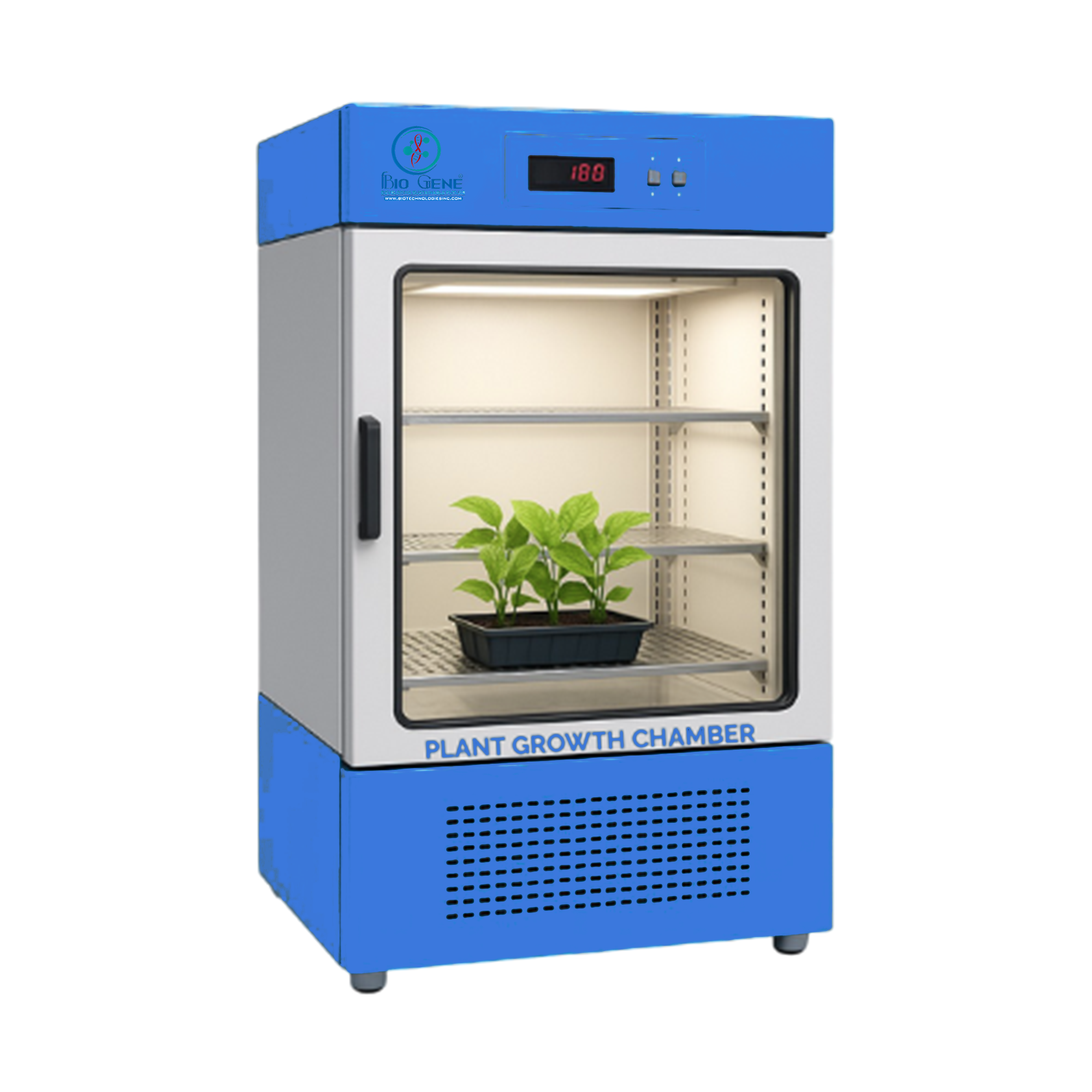
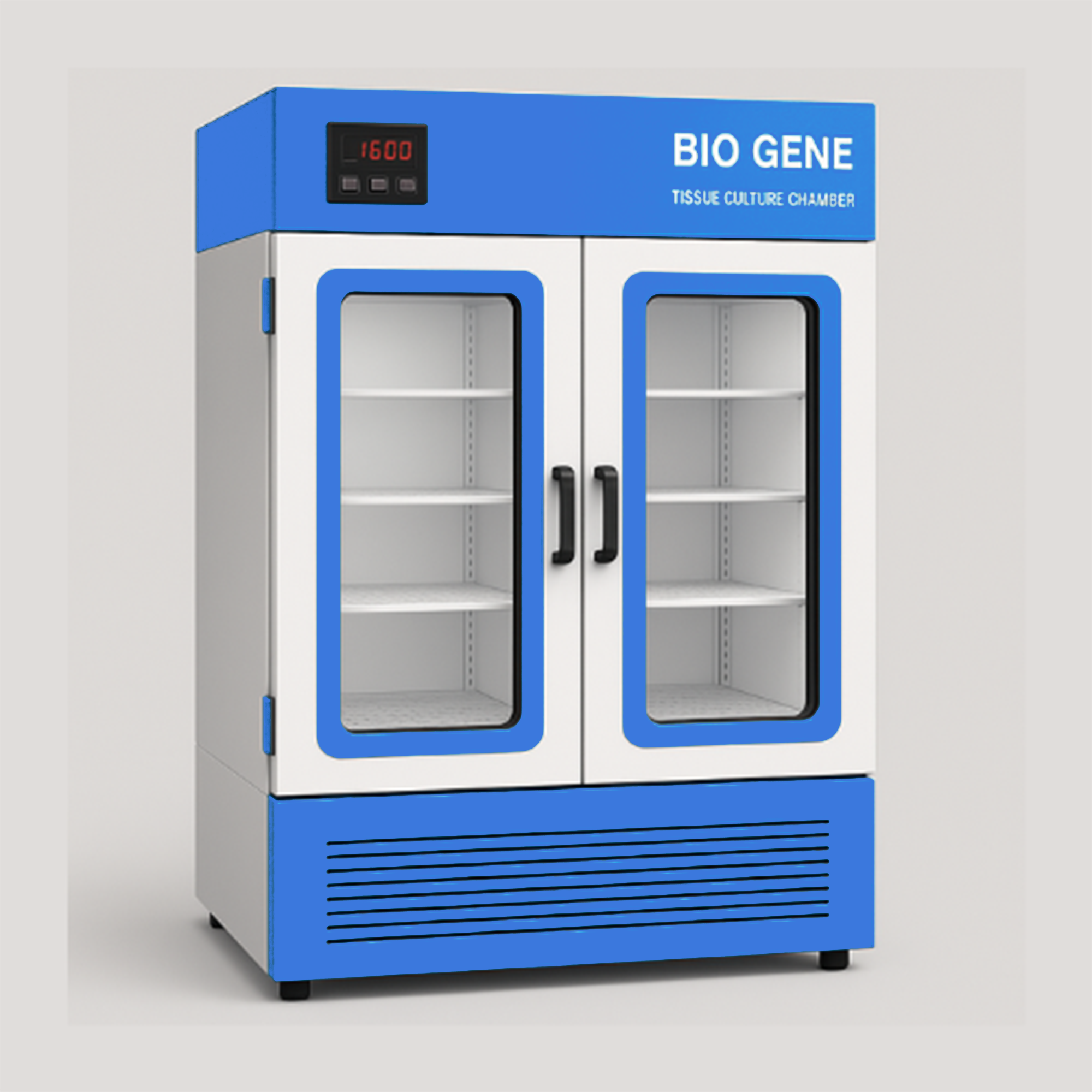
Bio Gene Tissue Culture Chamber are engineered to create a clean, consistent environment for the in vitro development of plant tissues, callus cultures, and explants. Proudly manufactured and exported by Biotechnologies Inc., these chambers support precise control of temperature, light intensity, and humidity, essential for tissue growth and propagation. Ideal for use in biotechnology labs, agricultural research institutes, seed companies, and academic facilities, each unit features programmable lighting systems, air circulation for even distribution, and options for UV sterilization. Developed in India and relied on globally, Bio Gene chambers align with GMP protocols and scientific research standards.
Standards are divided into three main layers: Equipment Safety, Biological Containment, and Application-Specific Quality.
Foundational certifications ensuring the chamber is safe to operate and technically reliable:
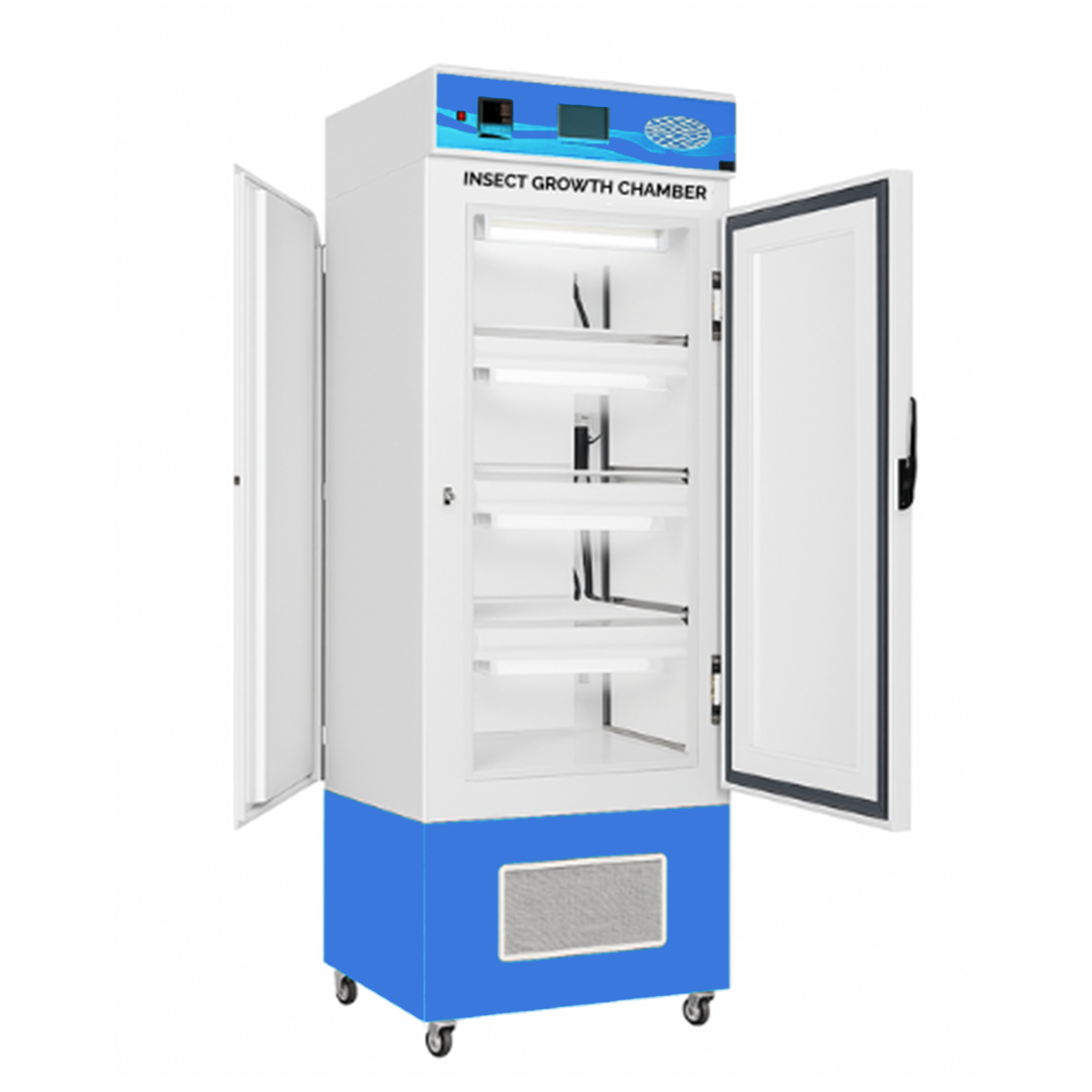
Critical for insect rearing to prevent the escape of exotic or infected species.
Bio Gene Tissue Culture Chamber are widely used in Hospitals Medical Facilities & Laboratories, Industrial Manufacturing, Research Centers, and Universities.
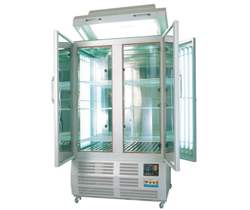
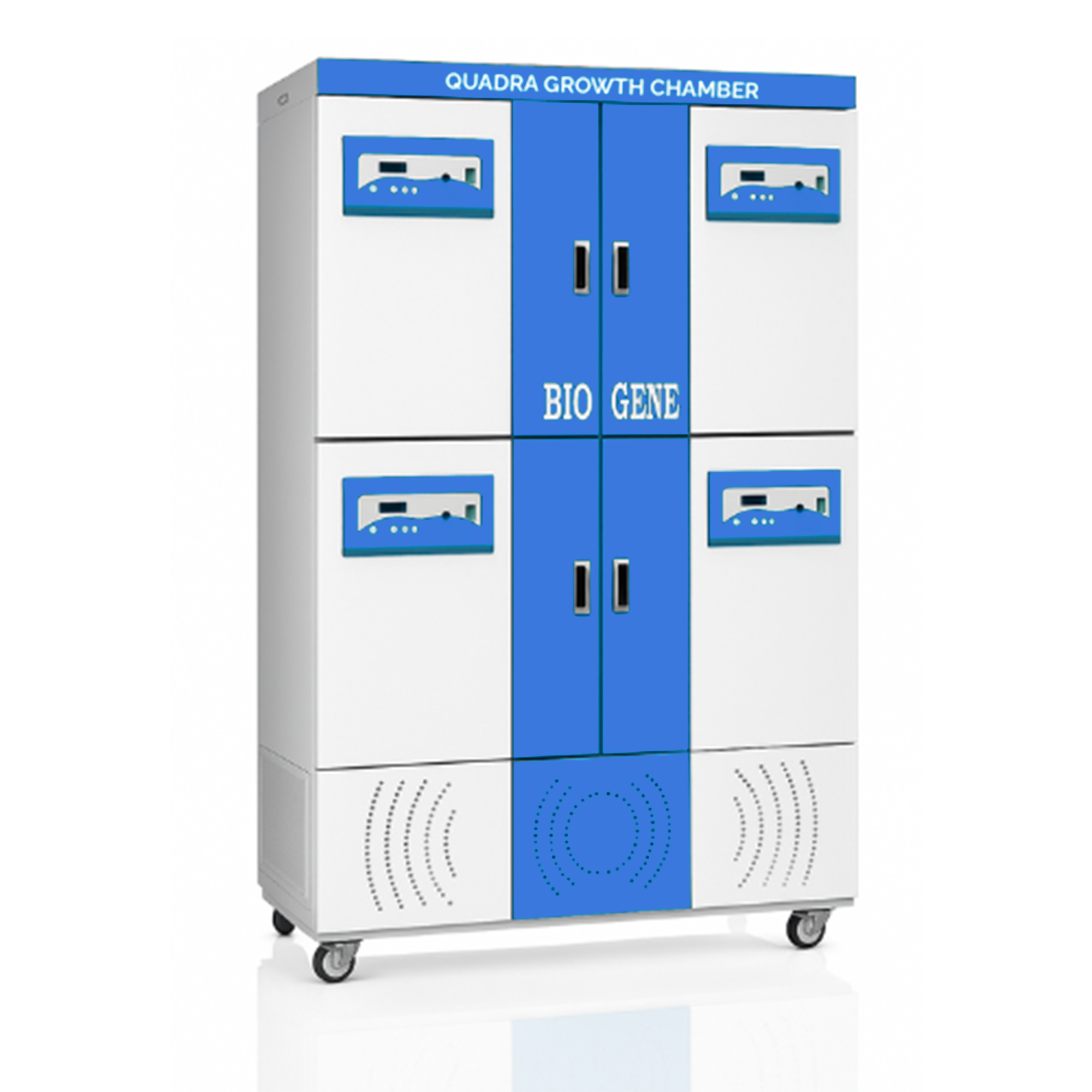
Bio Gene Tissue Culture Chamber and rooms are specifically designed to maximize research area and to provide uniform Environmental conditions. They are ideal for tissue culture work and genetic experiments.
Tissue culture area total on four- six tiers with 95μmoles/m²/s P.A.R. of lighting Ideal for tissue culture requiring upward airflow to reduce condensation Four tiers of single or double row shelving maximizing tissue culture area Through the shelf airflow reduces condensation Small footprint maximizing floor space in the lab
HUMIDITY CONTROL
Humidity control Bio gene uses a highly accurate Humidity sensor. This is linked to a microprocessor which controls the switching of the Humidifier. MICROPROCESSOR BASED DIGITAL HUMIDITY INDIACATOR – cum – CONTROLLER to control humidity form 40% to 95% at cool temperatures. Light intensity can be adjusted manually according to requirements.
HUMIDITY RANGE
90% + 5% (as per the graph attached)/ (As per the temperature Requirements).
HUMIDIFICATION
A low-pressure droplet free vapour boiler using direct vaporization system is used. Water Reservoir is provided at the side of the chamber with a 10 x 8mm PU tube quick connector and water level is automatically controlled through a water-in solenoid valve. The wick tank water level is automatically maintained through a water solenoid valve and an electrical float switch. The de-mineralized water or single distilled water supply to the humidity inlet having a resistance measurement of approximately 50,000 – 200,000 Ohm/cm is provided with the unit.
DEHUMIDIFICATION
Refrigeration based de-humidification system is used. The desired level of lower humidity will be achieved by maintaining the precise dew point temperature. The output will automatically be activated based on the set point as well as in ramp up mode after a low temperature cycle.
ILLUMINATION:
Bio gene units are provided with door operated illumination system comprising of fluorescent lights. The unit is designed to provide 100-150 Micro mol light intensity. Light Bank System (Option) programmable control from Three side, control from 15,000 to 25,000 Lux.
HUMIDITY SENSITIVITY:
Humidity is controlled by mean of an electronic humidity controller cum indicator with an accuracy of +5%.
TEMPERATURE CONTROL:
The temperature inside our temperature and humidity control cabinets is controlled through programmable micro-processor based temperature controller cum indicator.
TEMPERATURE RANGE:
Temperature ranges of our standard models are 0-40°C. Range 4°C to 40°C all lights off, 10°C to 40°C all lights on (extended temperature options are available). However we have the capacity to modify the same to suit the individual specialized requirements of our customers.
TEMPERATURE SENSITIVITY:
Temperature inside our temperature and humidity control cabinets is controlled with a sensitivity of +1° c or better.
FRONT PANEL:
Front panel of our units comprises of on/off switches heating, cooling and mains indicator lamps, temperature controllers. Lux controller,
These are sturdy, double-walled units with an inner chamber made of stainless steel, designed for reliable performance and uniform environmental conditions in tissue culture applications.
The interior is made of stainless steel and is provided with internal lighting for convenient observation and monitoring.
The exterior is constructed from powder-coated CRCA steel for durability and corrosion resistance.
Tubular heating elements are positioned in the ribs, bottom, and sides of the chamber to ensure uniform heat distribution.
The inner chamber is provided with ribs for adjusting perforated shelves to convenient heights. The shelves are made of thick SS 304-grade stainless steel.
A synthetic neoprene rubber door gasket is fitted to all BioGene units to provide a secure seal.
Air ventilators are provided on the sides of the unit to support air exchange as required by the chamber design.
The double-walled outer door is made of thick stainless steel, with an inner wall constructed from SS 304-grade stainless steel.
The inner door is made of thick glass or acrylic sheet, depending on customer requirements and application needs.
The door is provided with a lock-and-key arrangement for secure and convenient operation.
A blower fan is installed at the rear wall of the chamber to promote uniform air circulation and maintain consistent temperature distribution throughout the chamber.
The unit operates on 220–240 V AC, 50 Hz power supply. The stated power consumption is approximately 1,800–2,000 W during heating, subject to model specifications. Specially designed fans help maintain uniform temperature under suitable tropical and dry operating conditions.
A safety thermostat automatically cuts off heating when the temperature rises approximately 10°C above the set value. It provides additional protection in the event of a faulty sensor, sensor failure, or switching-element malfunction.
The gap between the inner and outer walls is filled with high-grade polyurethane foam (PUF) insulation to improve thermal efficiency and temperature stability in the BioGene microprocessor-based Tissue Culture Chamber.
BioGene Tissue Culture Chamber import and export services are available for international markets, including America, the USA, Germany, Japan, China, Mexico, Vietnam, South Korea, Canada, the UK, France, Italy, Spain, the Netherlands, Australia, Russia, Kazakhstan, Pakistan, Bangladesh, the Philippines, Indonesia, Malaysia, Thailand, Singapore, Saudi Arabia, the UAE, South Africa, Turkey, Brazil, and Poland.
We support international shipping, export documentation, customs clearance coordination, and applicable regulatory compliance requirements to help customers source laboratory and tissue culture equipment worldwide.
| DISCRIPTION | BTI-TCCH-170 |
| TEMPERATURE RANGE | 0 to 40 °C |
| TEMPERATURE STABILITY | < +1°C |
| HOUSING MATERIAL | CRC / Mild Steel Sheet duly Powder Coated |
| SAFETY FUNCTION | Water Level & Low water level cut off alarm (On customer request) |
| OPTIONAL | RS 232 Communication Interface |
| DUTY CYCLE | Continuous |
| INTERIOR | S.S.304 Polished Sheets |
| HUMIDITY RANGE | 50 %{Constant}RH + 3% 25% at 25°C |
| COMPRESSOR | Kirloskar/ Tecumseh As per model requirement (For Cooling below Ambient) |
| PRECAUTION | Don’t use the Instrument without water |
| DIMENSION | 900 x 600 mm (without Glove port and Gauntlets) |

 Related Products