Applications of CATH Chambers
- Aerospace and aviation testing
- Defense equipment validation
- Electronics and semiconductor testing
- Automotive component testing
- Research and development laboratories
CATH Chamber Features
Advanced microprocessor-based control system
Accurate simulation of altitude, temperature, and humidity
Uniform air circulation for consistent testing conditions
User-friendly touchscreen interface
High safety standards with alarm and protection systems
Energy-efficient operation
Data logging and remote monitoring capability
Control System
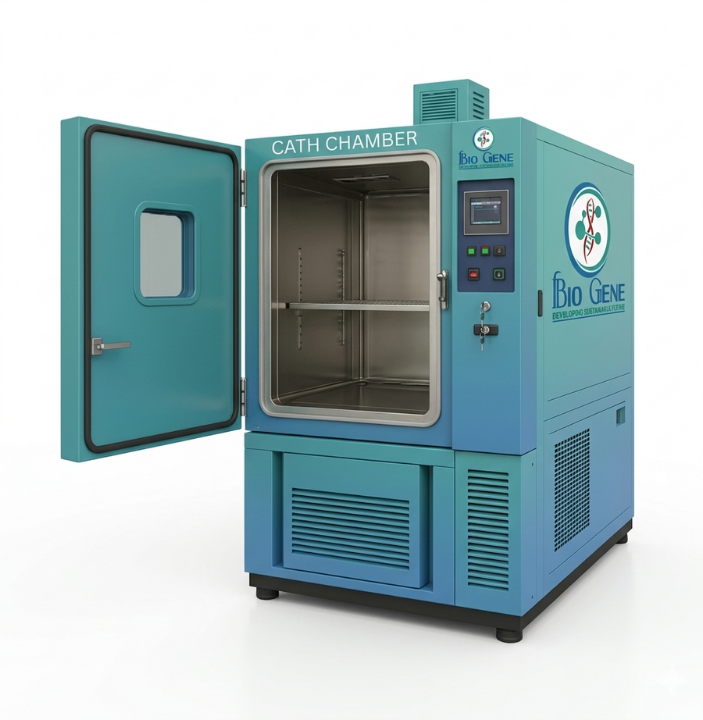
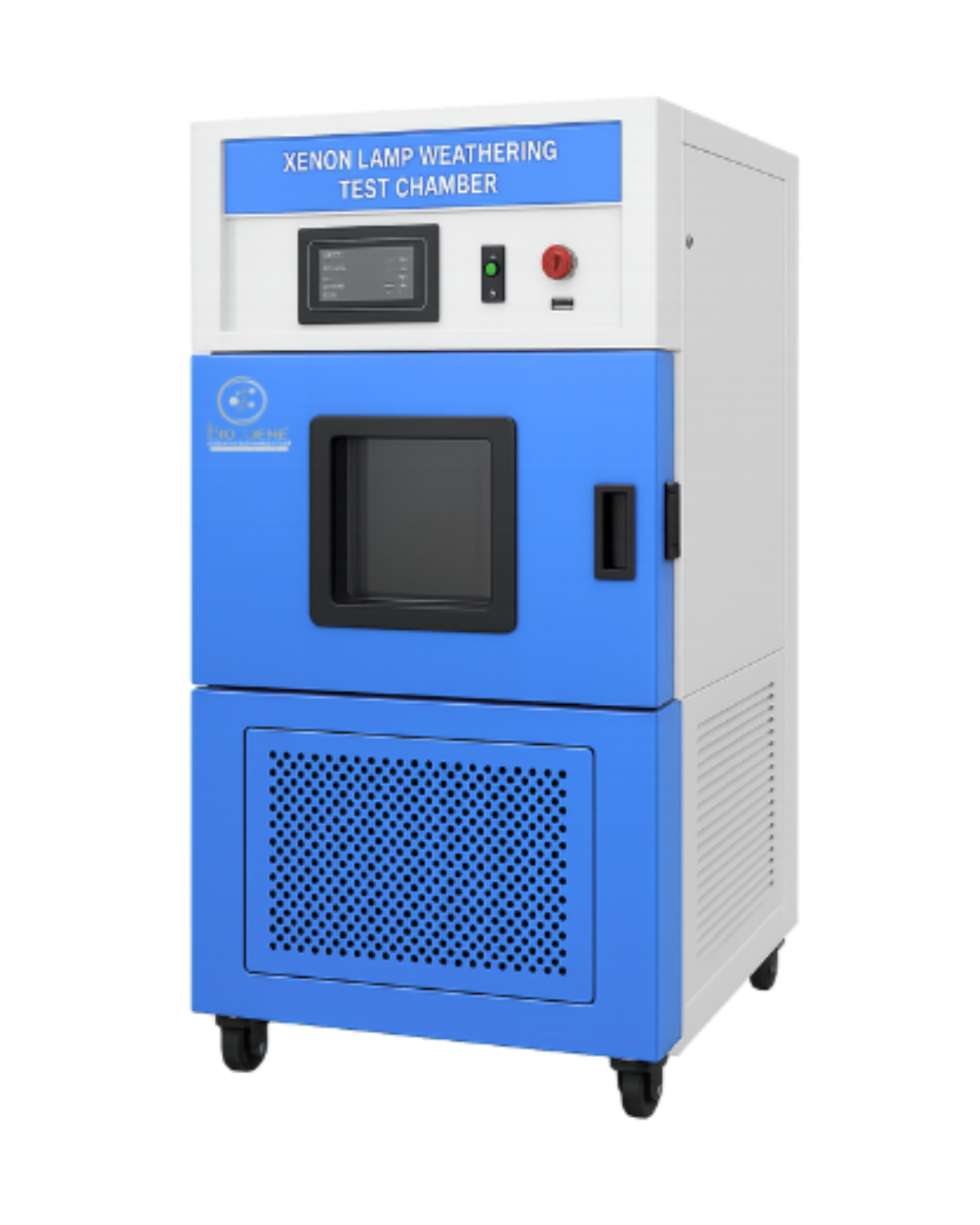
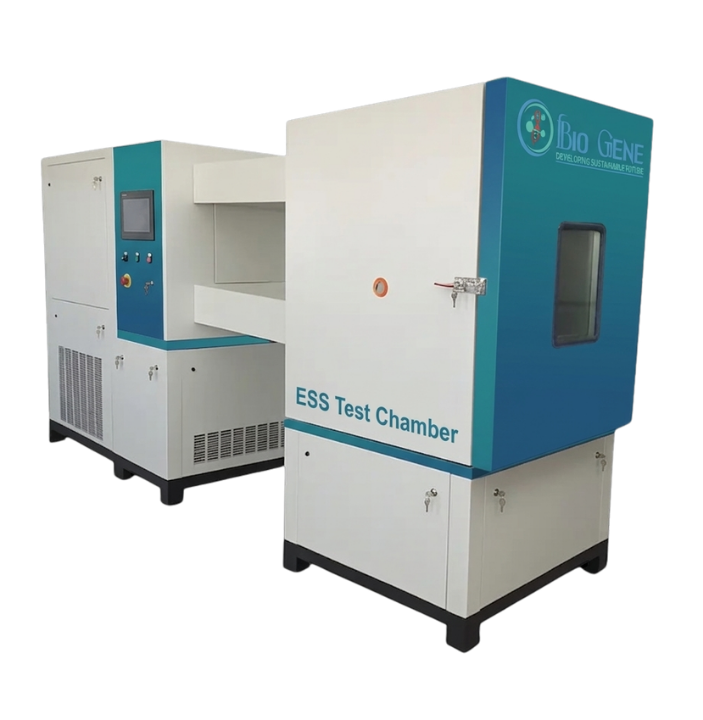
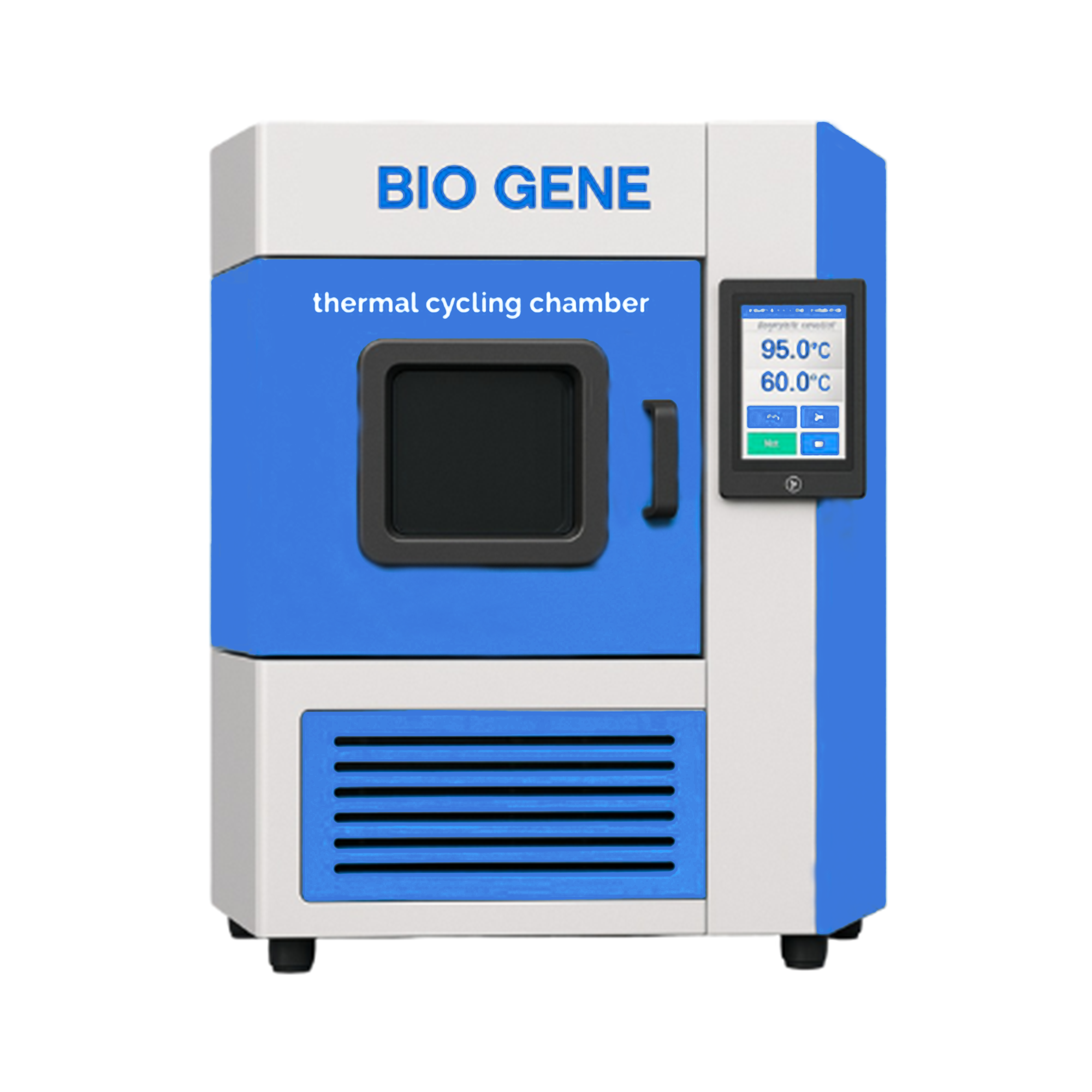
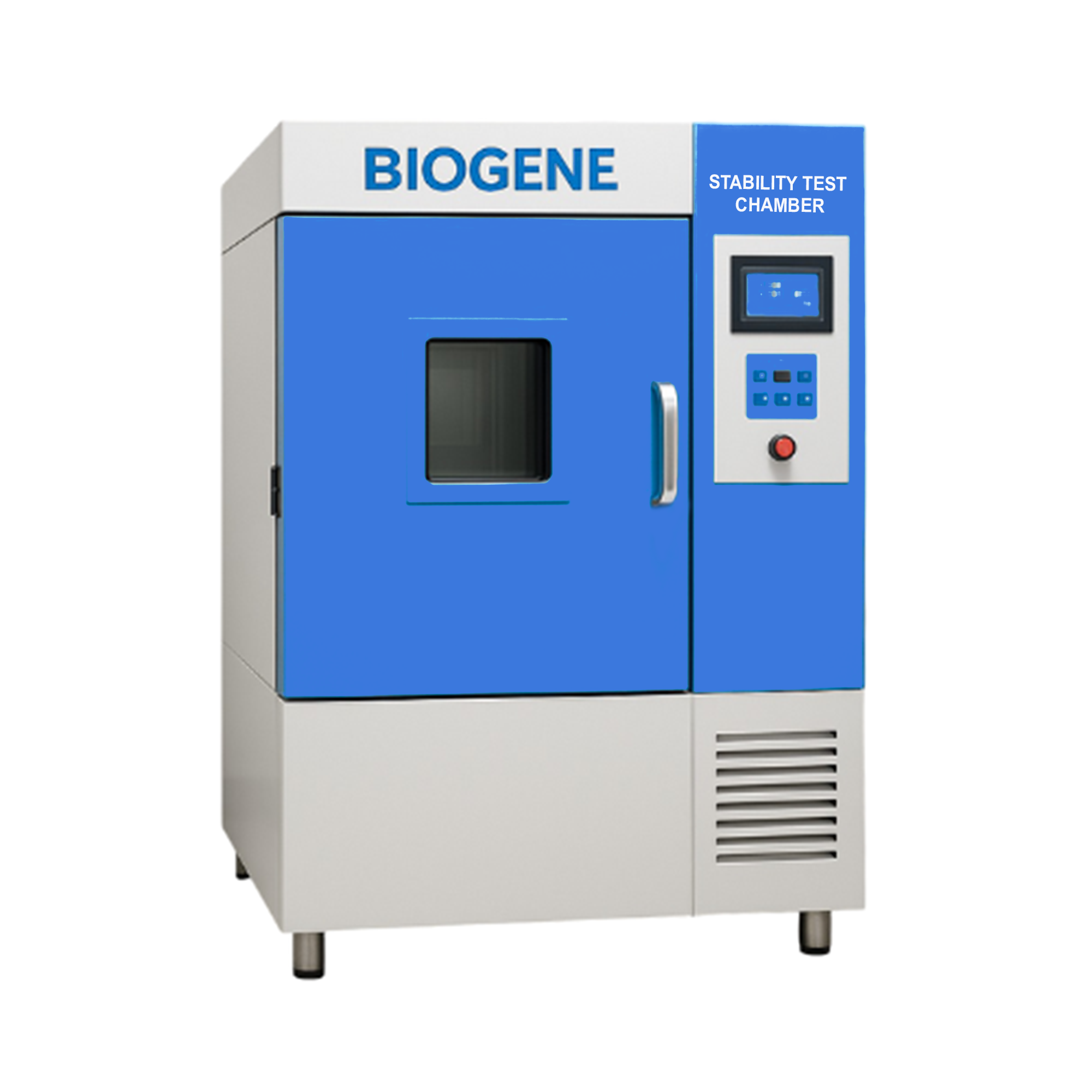
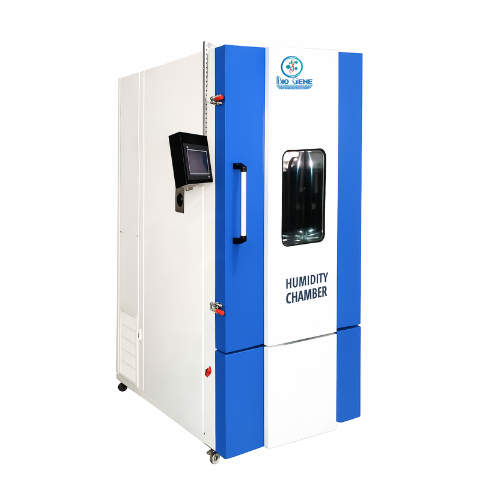
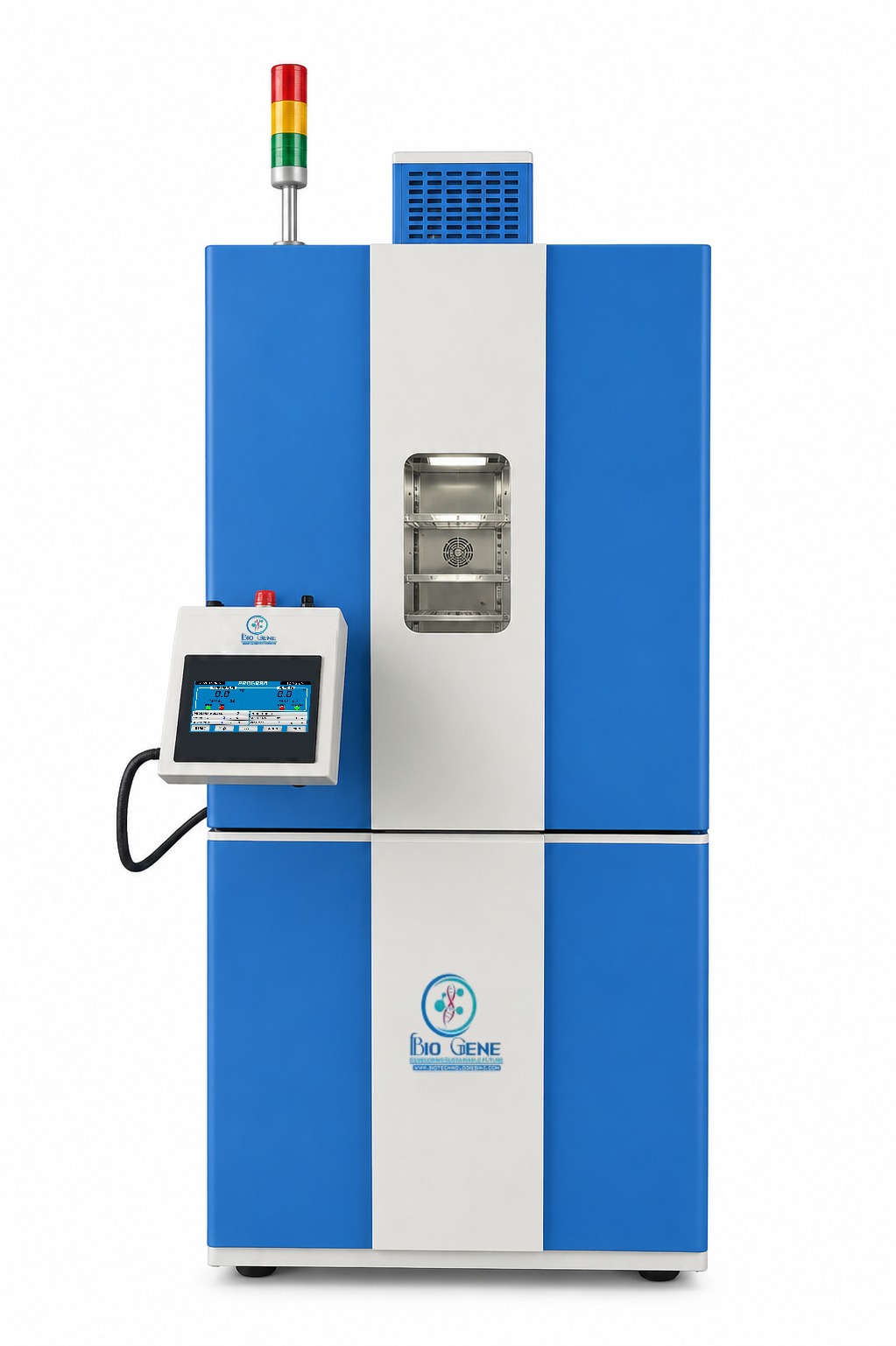
The CATH Chambers by Bio Gene are equipped with advanced control systems featuring PLC-based automation and touch screen HMI. The system allows precise programming of test cycles including altitude, temperature, and humidity variations. Real-time monitoring, alarms, and data logging ensure accuracy and safety throughout the testing process.
Construction & Design
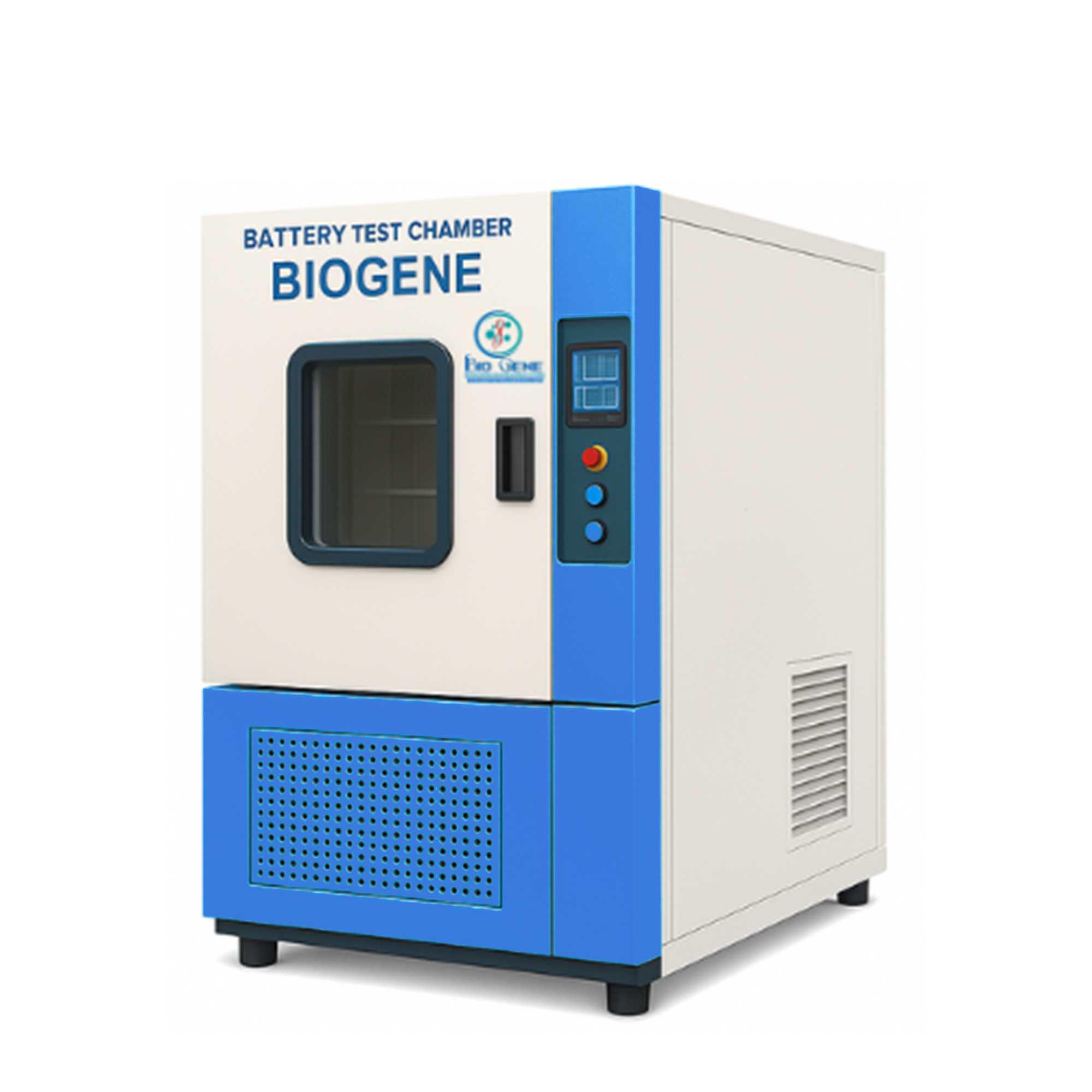
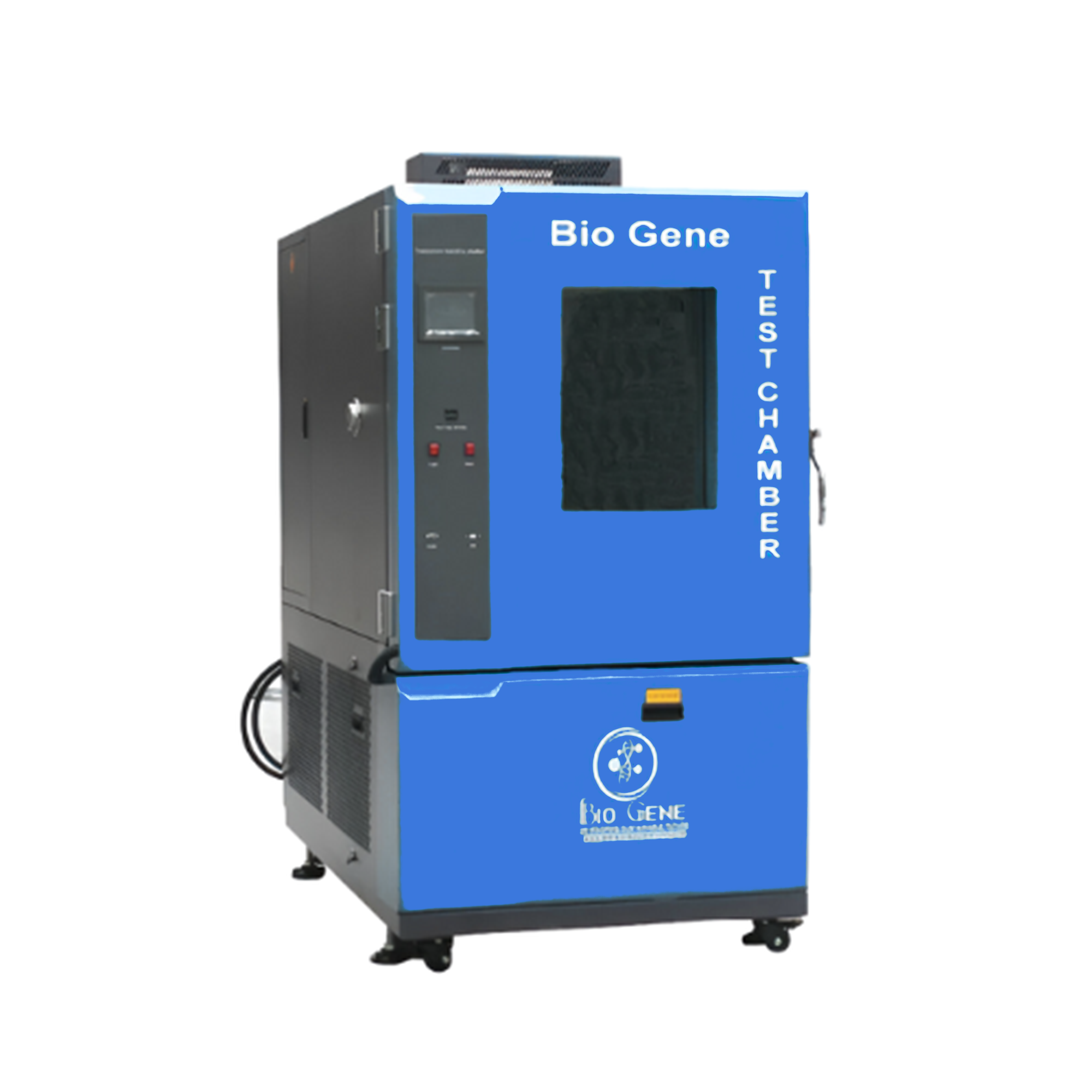
Our CATH Chambers are designed with high-grade stainless steel interiors and powder-coated exteriors for durability and corrosion resistance. The chambers are insulated with high-density PUF to maintain thermal efficiency. Special vacuum-sealed doors and reinforced structures ensure stability during altitude simulation.
CATH Chamber Technical Specifications
- Temperature Range: -70°C to +180°C
- Humidity Range: 10% RH to 98% RH
- Altitude Simulation: Up to 100,000 ft (approx.)
- Pressure Range: Adjustable vacuum levels
- Chamber Volume: Customizable as per requirement
- Controller: PLC / HMI-based programmable system
A Cath Chamber, more formally known as a Cardiac Catheterization Laboratory or Cath Lab, is a specialized medical facility equipped with advanced imaging technology used to diagnose and treat cardiovascular conditions. It typically houses fluoroscopy equipment, monitors, and sterile procedural areas where cardiologists insert thin, flexible tubes called catheters into blood vessels, usually through the wrist or groin, to examine the heart and its blood vessels from the inside.
The Cath Chamber is used for a wide range of diagnostic and interventional procedures. Common examples include coronary angiography, which visualizes blockages in the heart's arteries, and angioplasty with stent placement, which opens narrowed arteries and keeps them open. Other procedures performed here include electrophysiology studies to assess heart rhythm problems, valve repairs or replacements such as TAVR, and closure of structural heart defects.
Most procedures performed in the Cath Chamber are minimally invasive and conducted under local anesthesia with sedation, so patients generally experience little to no pain, though some pressure or mild discomfort at the insertion site is common. As with any medical procedure, there are risks involved, including bleeding, infection, or reaction to the contrast dye used during imaging, but these complications are relatively rare and the medical team takes precautions to minimize them.
Preparation typically involves fasting for several hours before the procedure, informing the medical team of all current medications and allergies, and arranging for someone to drive the patient home afterward since sedation affects alertness. Patients are often asked to stop taking certain blood-thinning medications beforehand under their doctor's guidance, and routine blood tests or an ECG may be conducted prior to the procedure to ensure safety.
After the procedure, patients are moved to a recovery area where they are monitored for several hours to ensure the insertion site is healing properly and no complications arise. Depending on the type of procedure performed, patients may be discharged the same day or asked to stay overnight for observation. Doctors usually provide specific aftercare instructions, including activity restrictions, wound care guidance, and follow-up appointments to monitor recovery and long-term heart health.
 Related Products