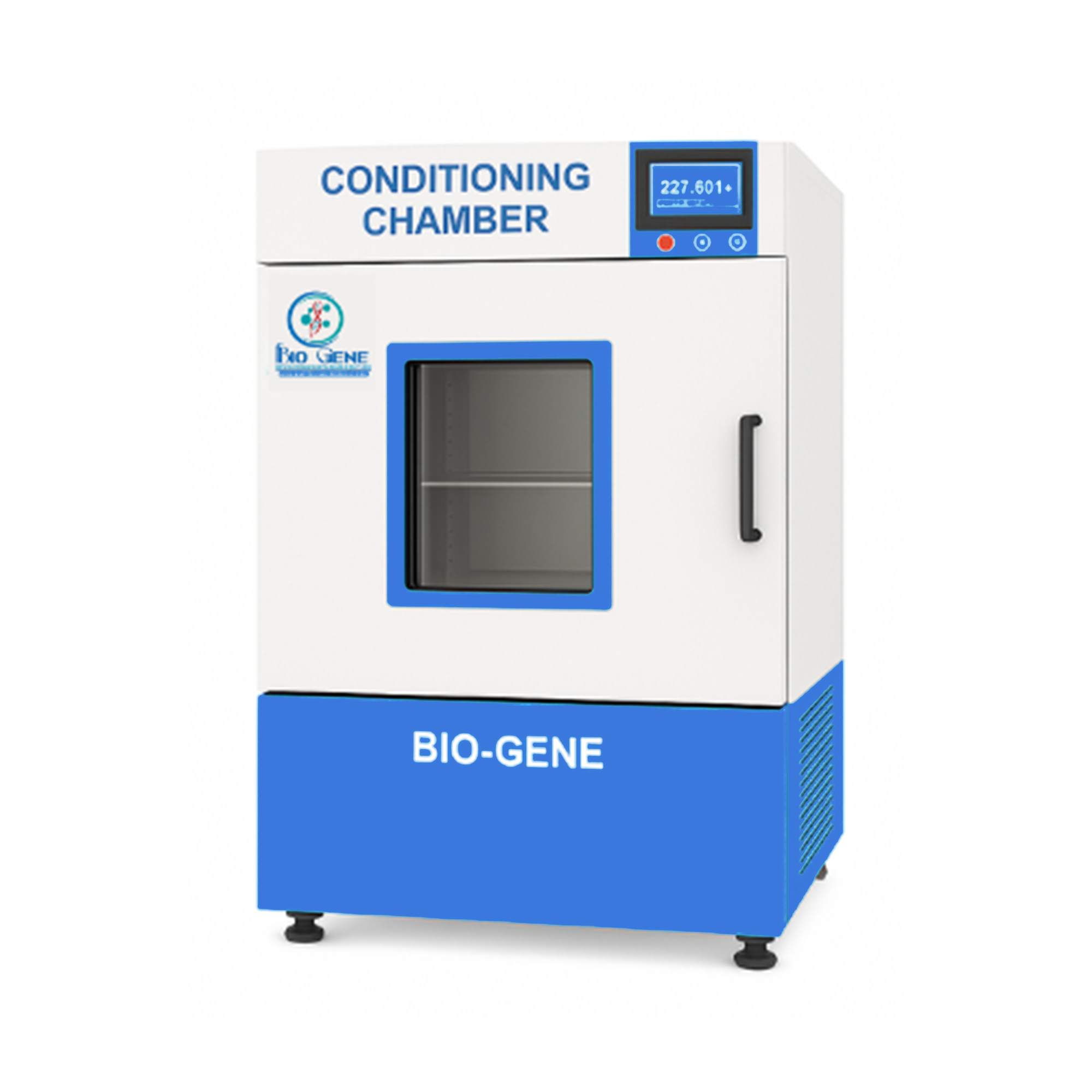
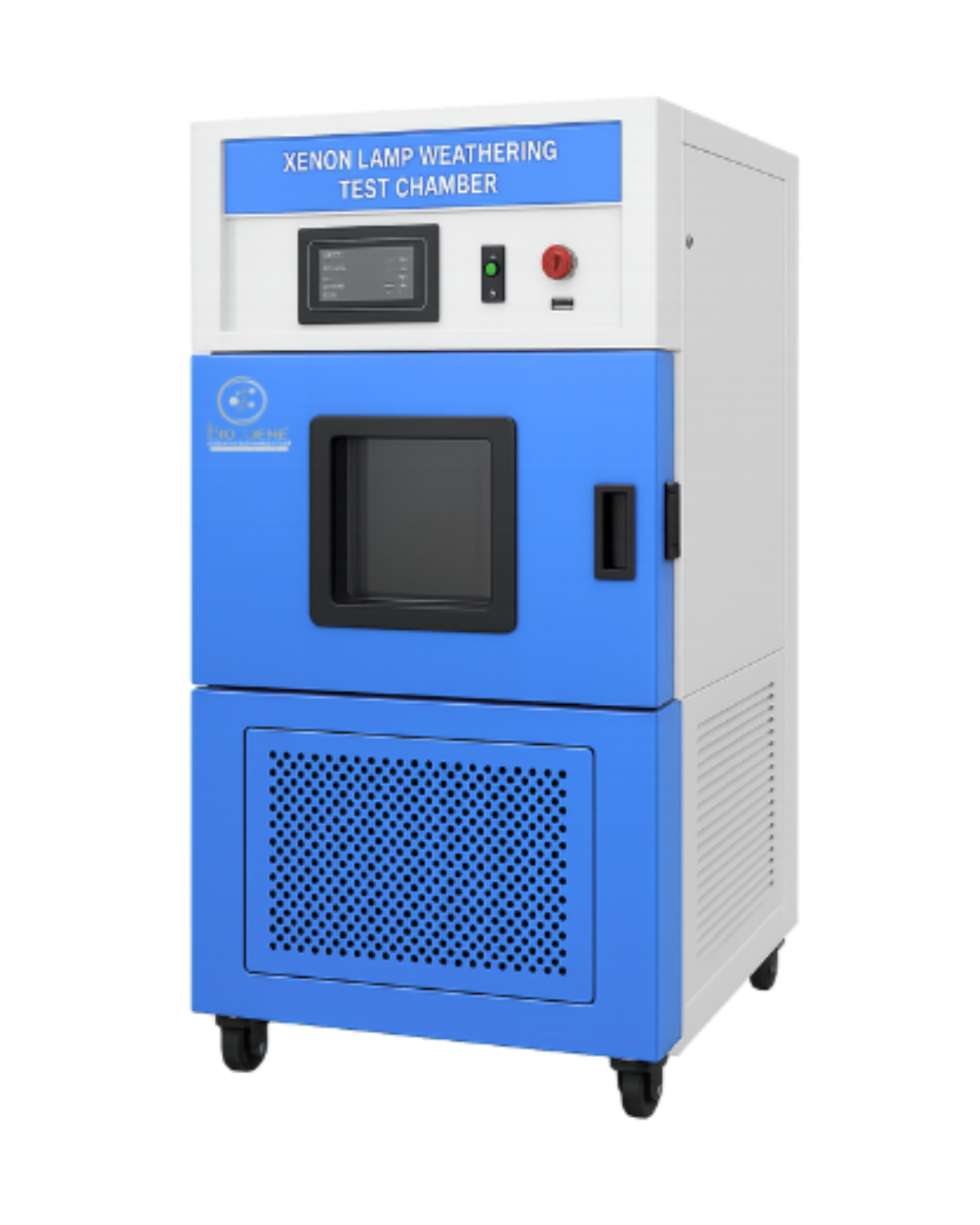
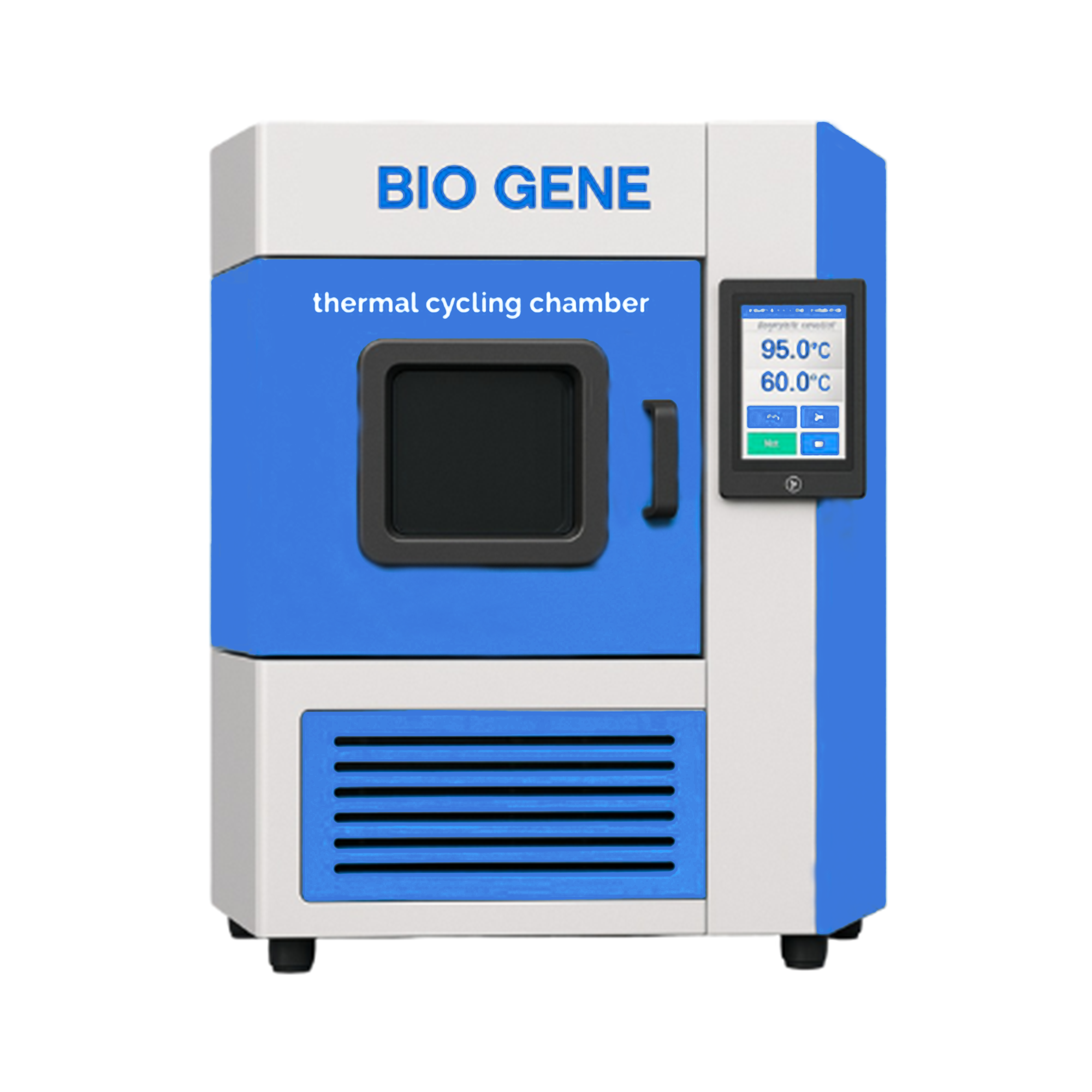
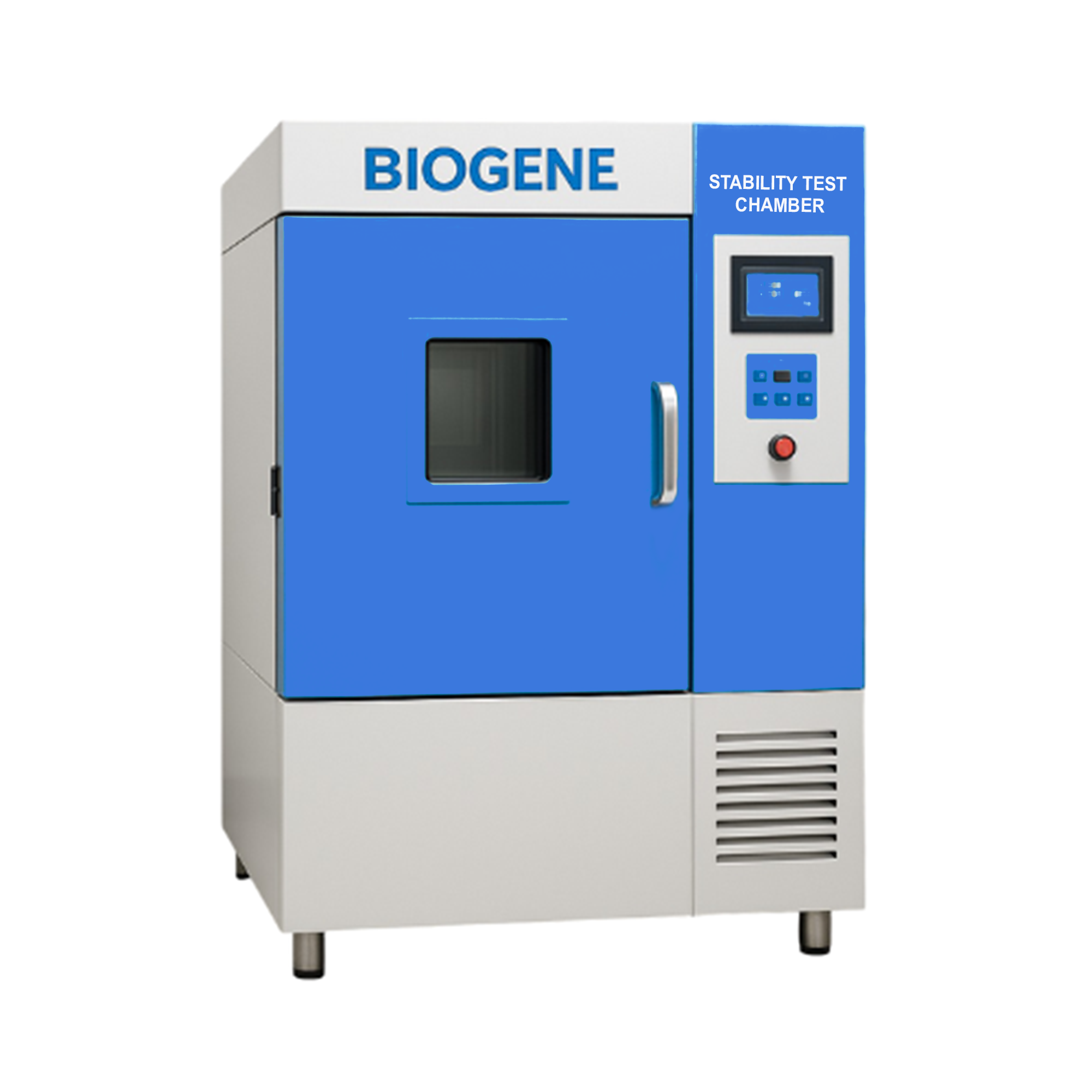
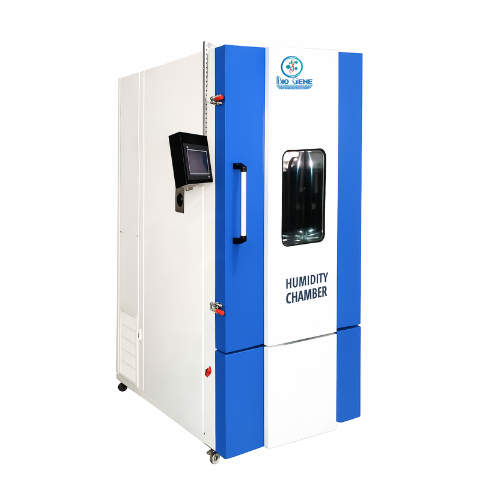
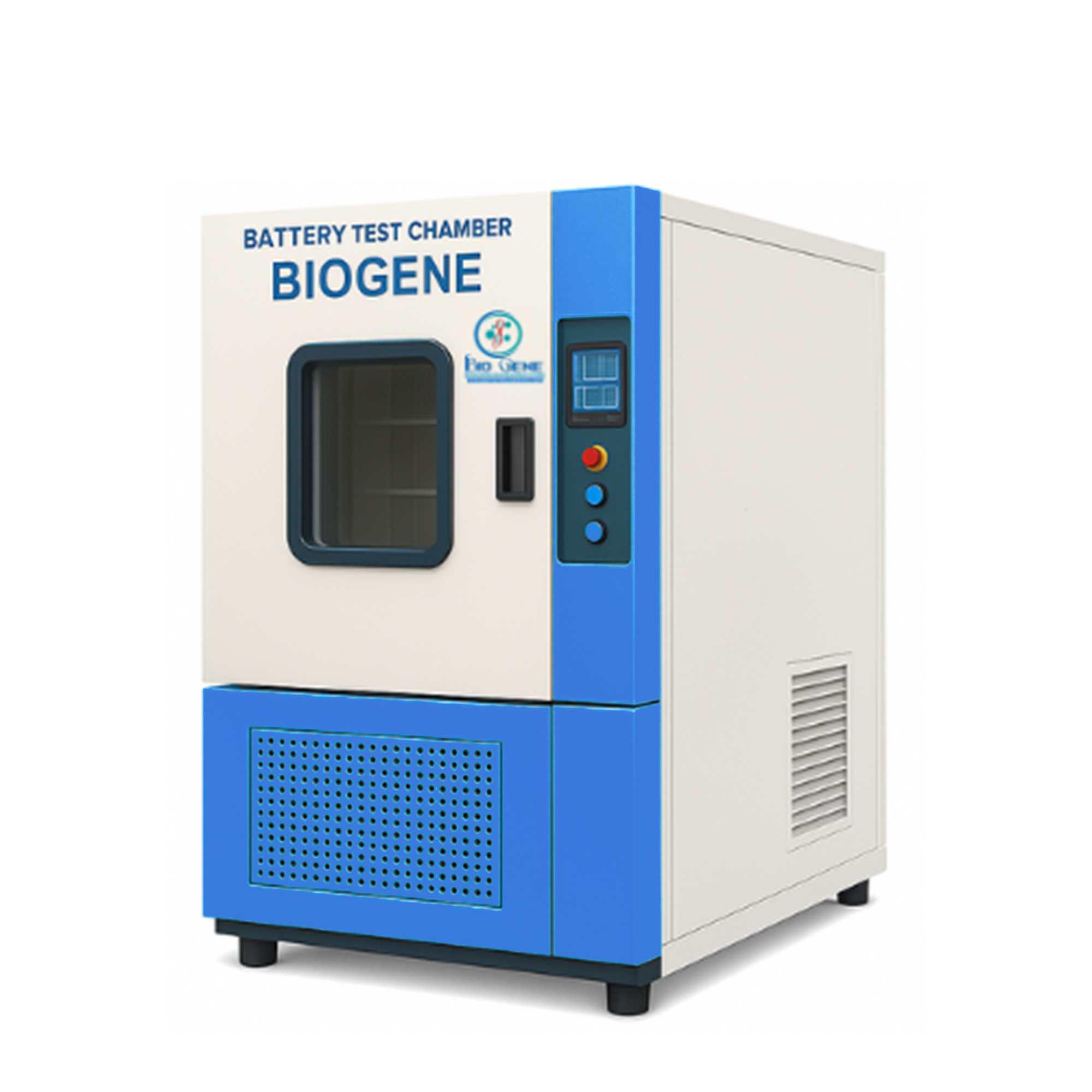
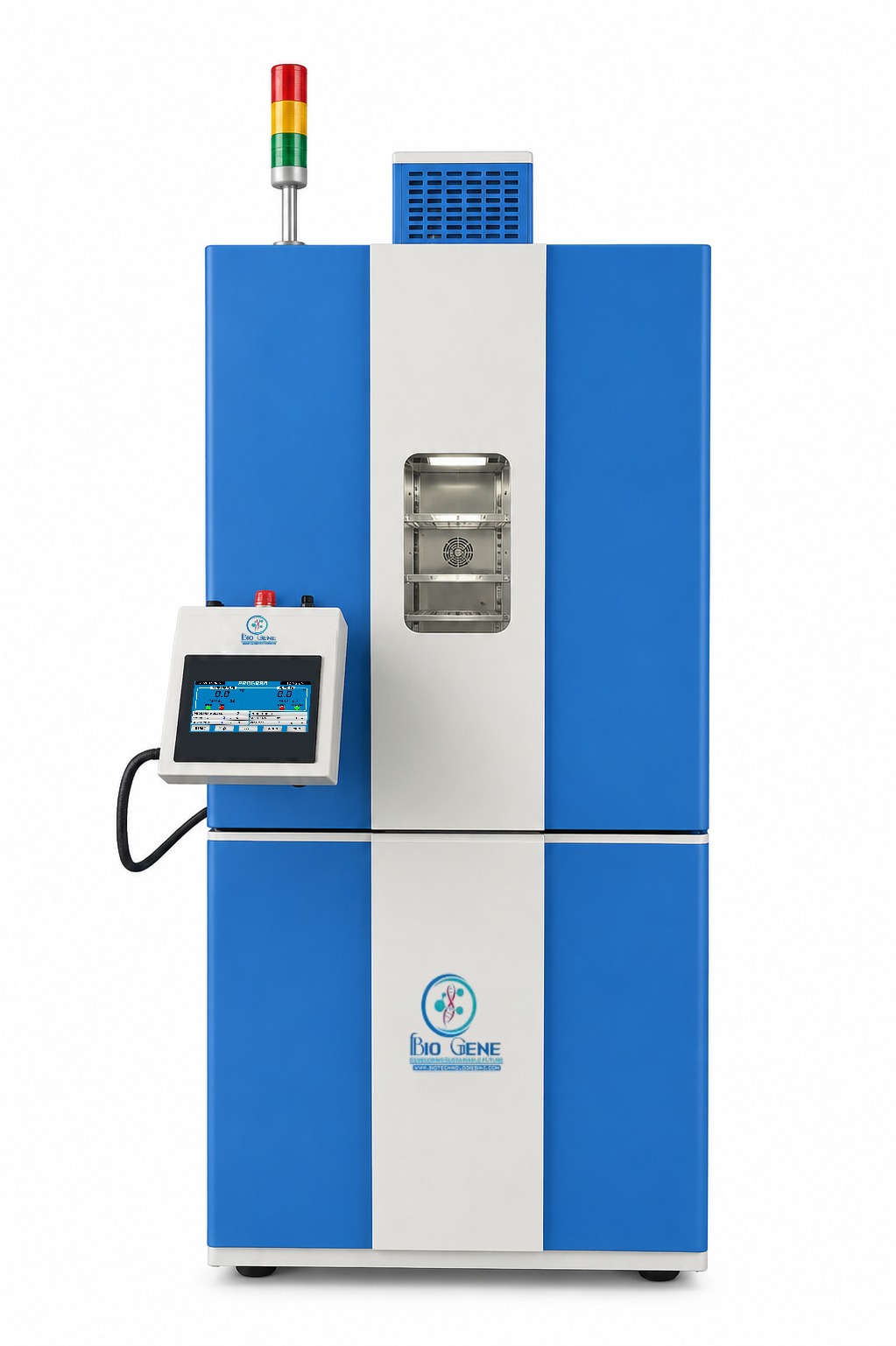
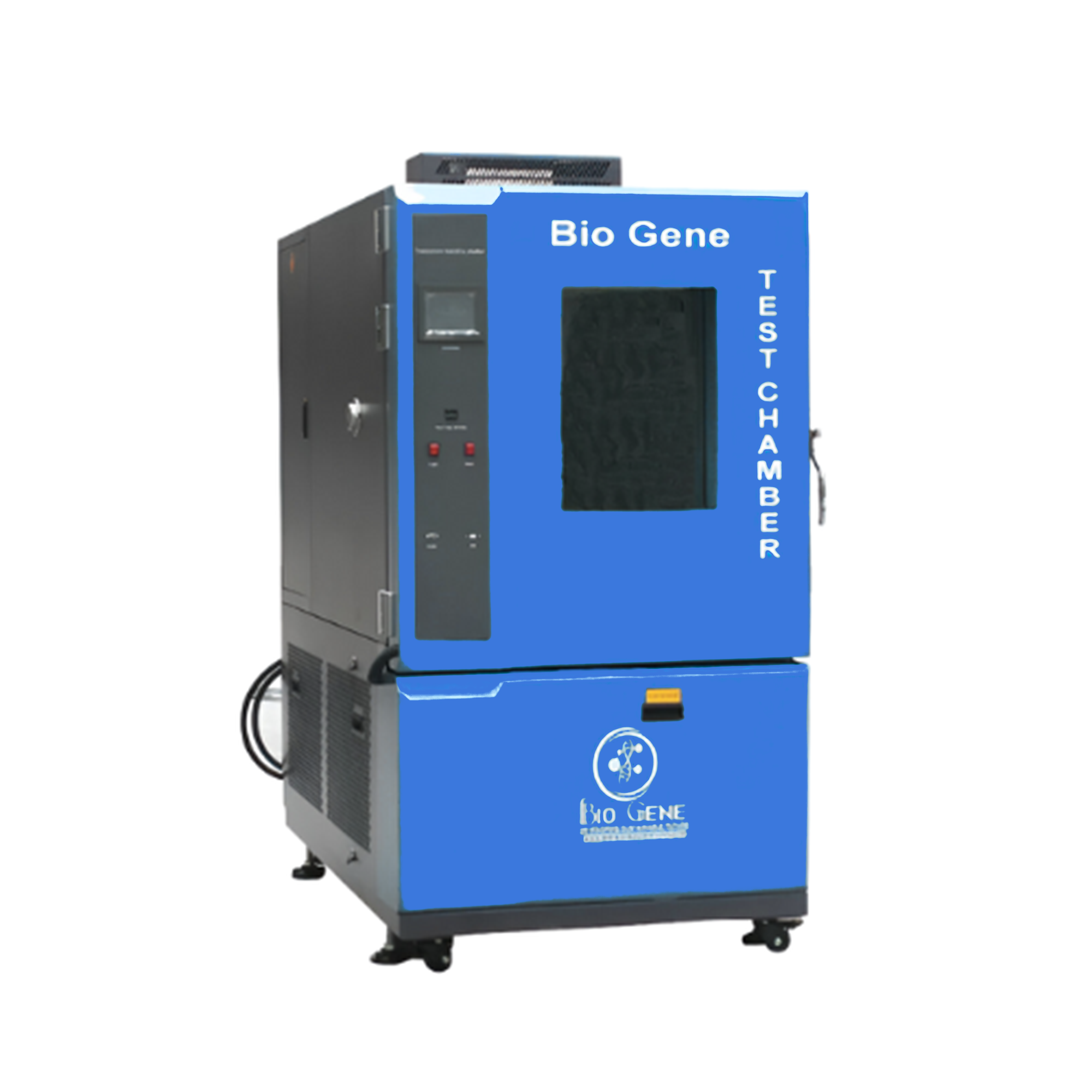
Applications of ESS Test Chambers
- Electronics and semiconductor testing
- Automotive component validation
- Aerospace and defense equipment testing
- Pharmaceutical and medical device testing
- Research and development laboratories
Features of ESS Test Chambers
- Wide temperature range for comprehensive testing
- Uniform airflow distribution for consistent performance
- Programmable control system for customized test cycles
- High precision sensors for accurate data monitoring
- Energy-efficient design with eco-friendly refrigerants
- User-friendly interface with touchscreen controls
- Robust safety mechanisms for operator and equipment protection
Advanced Control System
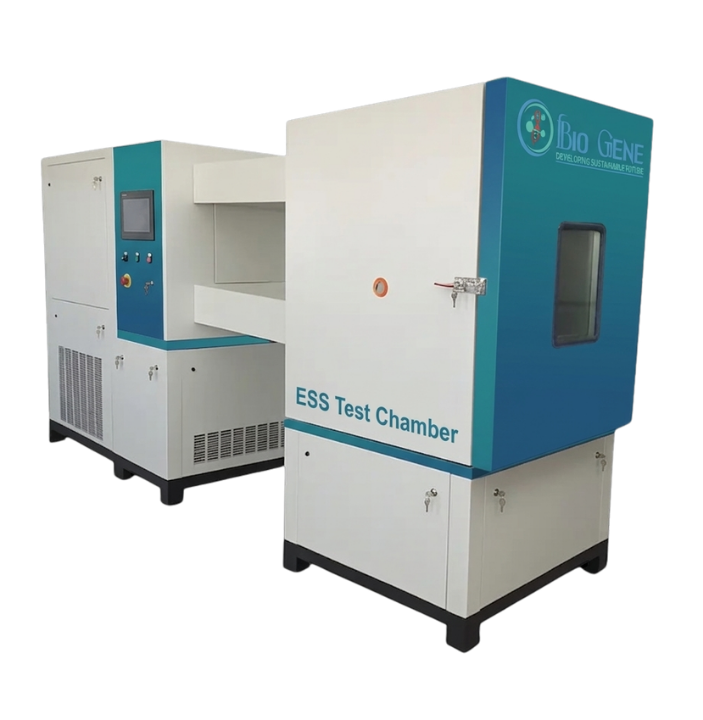
Bio Gene ESS Test Chambers are equipped with state-of-the-art control systems that ensure precise environmental simulation. The intelligent PID controller allows users to program multiple test cycles with ease. Real-time monitoring, data logging, and remote access capabilities enhance operational efficiency and ensure accurate test results.
Why Choose Bio Gene?
As a globally recognized ESS Test Chamber supplier and exporter, Bio Gene is committed to delivering innovative and reliable testing solutions. Our products are designed with a focus on quality, precision, and customer satisfaction. We offer customized solutions tailored to specific industry requirements along with comprehensive after-sales support.
Conclusion
Bio Gene stands at the forefront of Environmental Stress Screening technology, offering world-class ESS Test Chambers that meet international standards. Whether you are looking for a reliable manufacturer, supplier, or exporter, Bio Gene provides the perfect solution for all your environmental testing needs.
Technical Specifications
- Temperature Range: -70°C to +180°C
- Humidity Range: 20% to 98% RH
- Temperature Accuracy: ±0.5°C
- Humidity Accuracy: ±2% RH
- Chamber Volume: Customizable (50L to 2000L)
- Cooling System: Air-cooled / Water-cooled options
- Power Supply: 220V / 380V, 50Hz
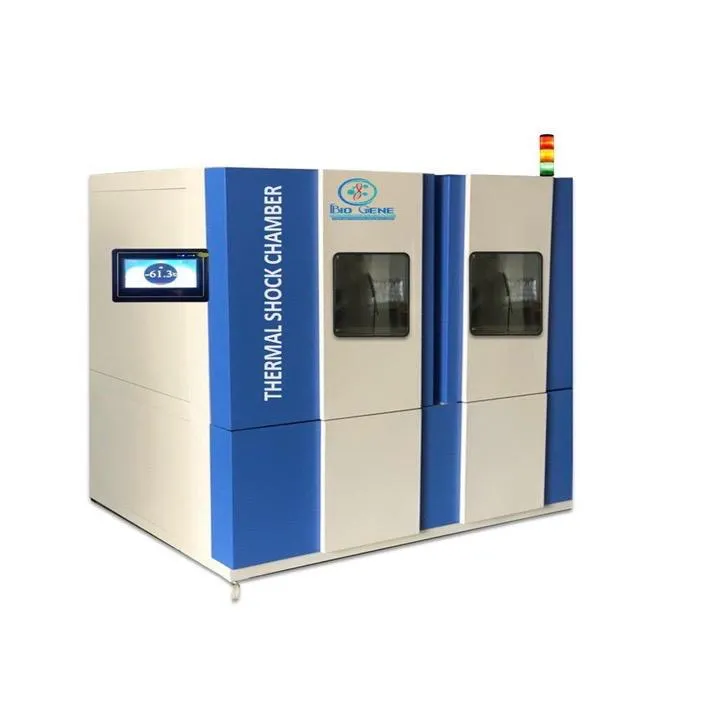
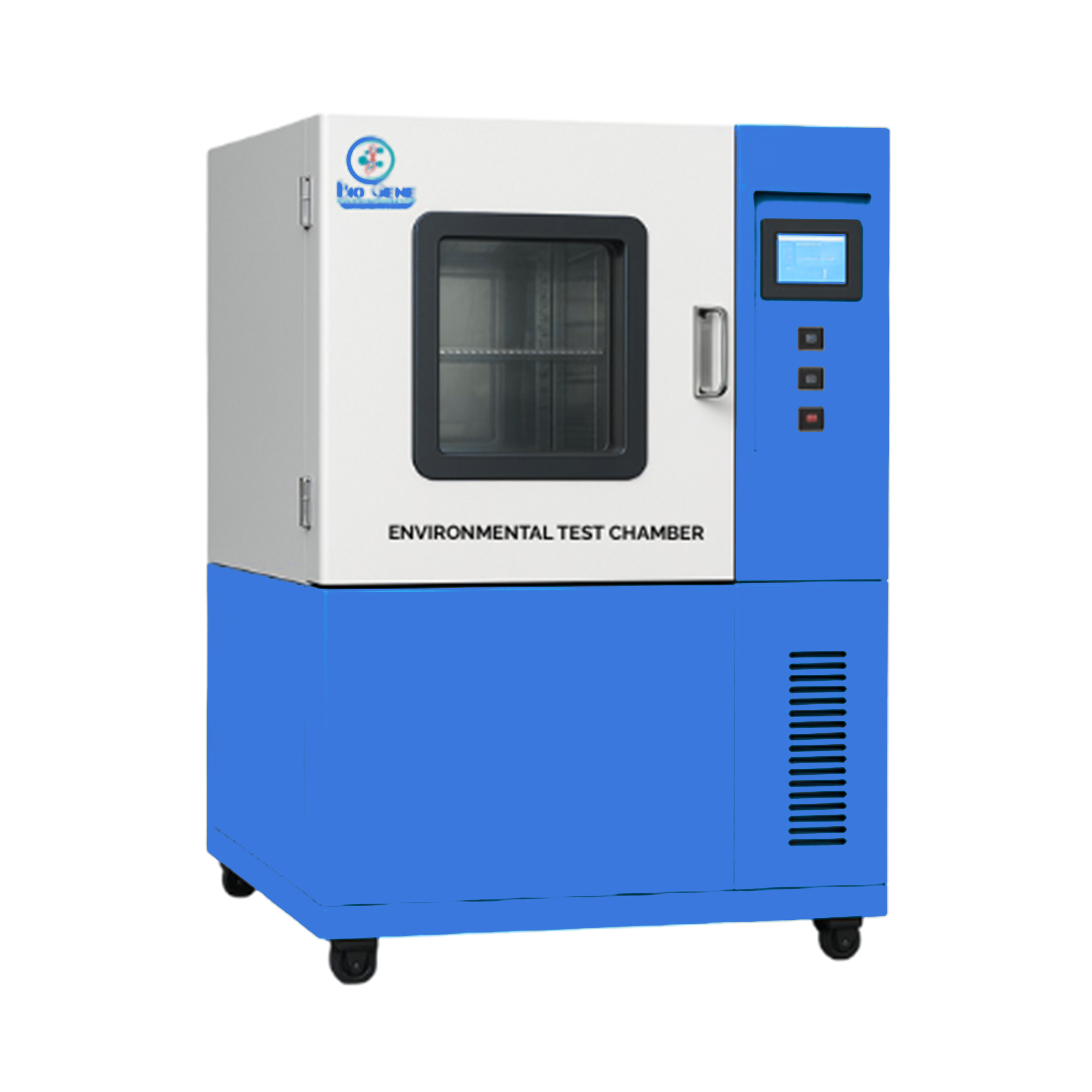
An ESS Test Chamber is designed to expose products, components, or assemblies to controlled environmental stresses such as rapid temperature cycling, humidity, and vibration in order to identify latent defects before the product reaches the customer. Manufacturers in electronics, aerospace, defense, and automotive industries use these chambers to weed out early-life failures caused by workmanship issues, weak solder joints, or component defects, ensuring only reliable units pass through to final shipment.
Most ESS chambers are built to achieve fast transition rates, often between 5°C and 20°C per minute, since rapid thermal cycling is what triggers latent defects effectively. Typical operating ranges span from around -70°C to +180°C depending on the model and refrigeration system installed. The specific range and ramp rate depend on your chamber's configuration, so it's best to check the datasheet or nameplate specifications for your exact unit.
Standard environmental testing typically verifies whether a product meets specification under expected conditions, while ESS intentionally pushes products beyond normal operating limits for a short duration to precipitate hidden flaws without damaging good units. ESS is a screening process applied to production units, not a design qualification test, so it's meant to catch manufacturing defects rather than evaluate long-term durability.
Routine maintenance includes checking door seals and gaskets for wear, cleaning or replacing air filters, inspecting refrigeration compressors and condensers, verifying calibration of temperature and humidity sensors, and monitoring the chamber's data logging system for accuracy. Manufacturers generally recommend calibration checks every six to twelve months and a professional inspection annually to keep test results valid and traceable.
Operators should always follow the manufacturer's operating manual, avoid opening chamber doors during rapid temperature transitions, ensure proper ventilation since some chambers use liquid nitrogen or CO2 for fast cooling, and never exceed the rated load capacity or specified temperature range. Personal protective equipment such as insulated gloves may be needed when handling test samples immediately after extreme thermal cycles, and emergency stop procedures should be clearly understood before operating the unit.
 Related Products